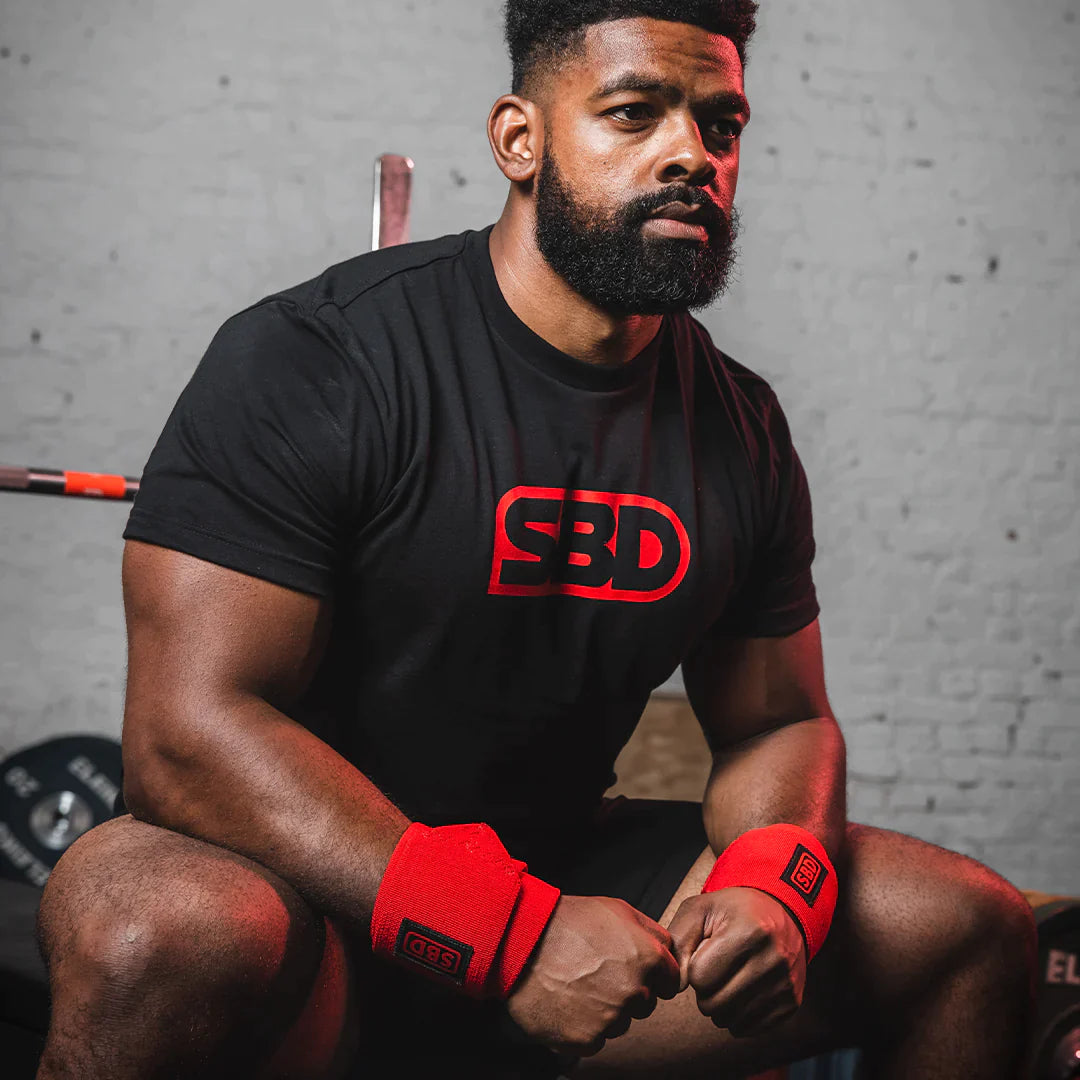


Weightlifting is often associated with building muscle, but its benefits go far beyond looking stronger. Regular strength training can support your body, improve confidence, help everyday movement feel easier and give you a clear way to measure progress over time.
Whether you are just starting out or already training regularly, understanding the health benefits of weightlifting can help you stay consistent and build a routine that supports long-term performance. With the right technique, sensible progression and suitable equipment from the SBD Ireland Weightlifting range, weightlifting can become a valuable part of your weekly training.

Quick Answer: What Are the Main Health Benefits of Weightlifting?
The main health benefits of weightlifting include improved muscle strength, better bone support, stronger joints, improved balance, better posture, increased confidence and support for long-term physical health. It can also make everyday tasks easier, from carrying shopping to climbing stairs, moving furniture or staying active as you get older.
Weightlifting should be approached gradually, especially if you are new to training. Start with manageable weights, learn good technique and increase load over time. If you have a medical condition, injury, or have not exercised for a long time, speak to a qualified health professional before beginning a new training programme.
1. Weightlifting Helps Build Strength
The most obvious benefit of weightlifting is increased strength. When you train with resistance, your muscles are challenged to produce force. Over time, your body adapts by becoming stronger and more capable of handling heavier loads.
This strength does not only matter in the gym. It can help with daily life, sport, work and general independence. Simple movements like standing up from a chair, lifting bags, carrying children, moving equipment or walking uphill can all feel easier when your body is stronger.
2. Weightlifting Supports Muscle Growth and Maintenance
As people get older, maintaining muscle becomes increasingly important. Weightlifting gives the body a reason to keep and build muscle tissue, especially when paired with enough food, protein, sleep and recovery.
For beginners, strength improvements can happen relatively quickly because the body becomes better at using the muscle it already has. Over time, consistent training can also help increase muscle size and improve overall body composition.
| Benefit | Why It Matters | How Weightlifting Helps |
|---|---|---|
| Strength | Makes everyday tasks easier | Progressively challenges muscles with resistance |
| Muscle maintenance | Supports long-term mobility and independence | Encourages the body to retain and build muscle |
| Confidence | Helps you feel more capable in and out of the gym | Creates measurable progress through lifts, reps and technique |
| Training consistency | Builds routine and structure | Gives clear goals and progression over time |
3. Weightlifting Can Support Bone Health
Strength training places controlled stress on the body. When used sensibly, this can help support bones, tendons and connective tissue as part of an active lifestyle. This is one of the reasons resistance training is commonly recommended alongside aerobic activity in general physical activity guidance.
For lifters, this means exercises such as squats, pulls, presses and Olympic lifting variations can offer more than performance benefits. They can also support a stronger, more resilient body when performed with suitable technique and recovery.
4. Weightlifting May Improve Balance and Stability
Many weightlifting movements require control from head to toe. Squats, pulls, presses, cleans and jerks all demand balance, bracing and coordination. Over time, this can help improve body awareness and stability.
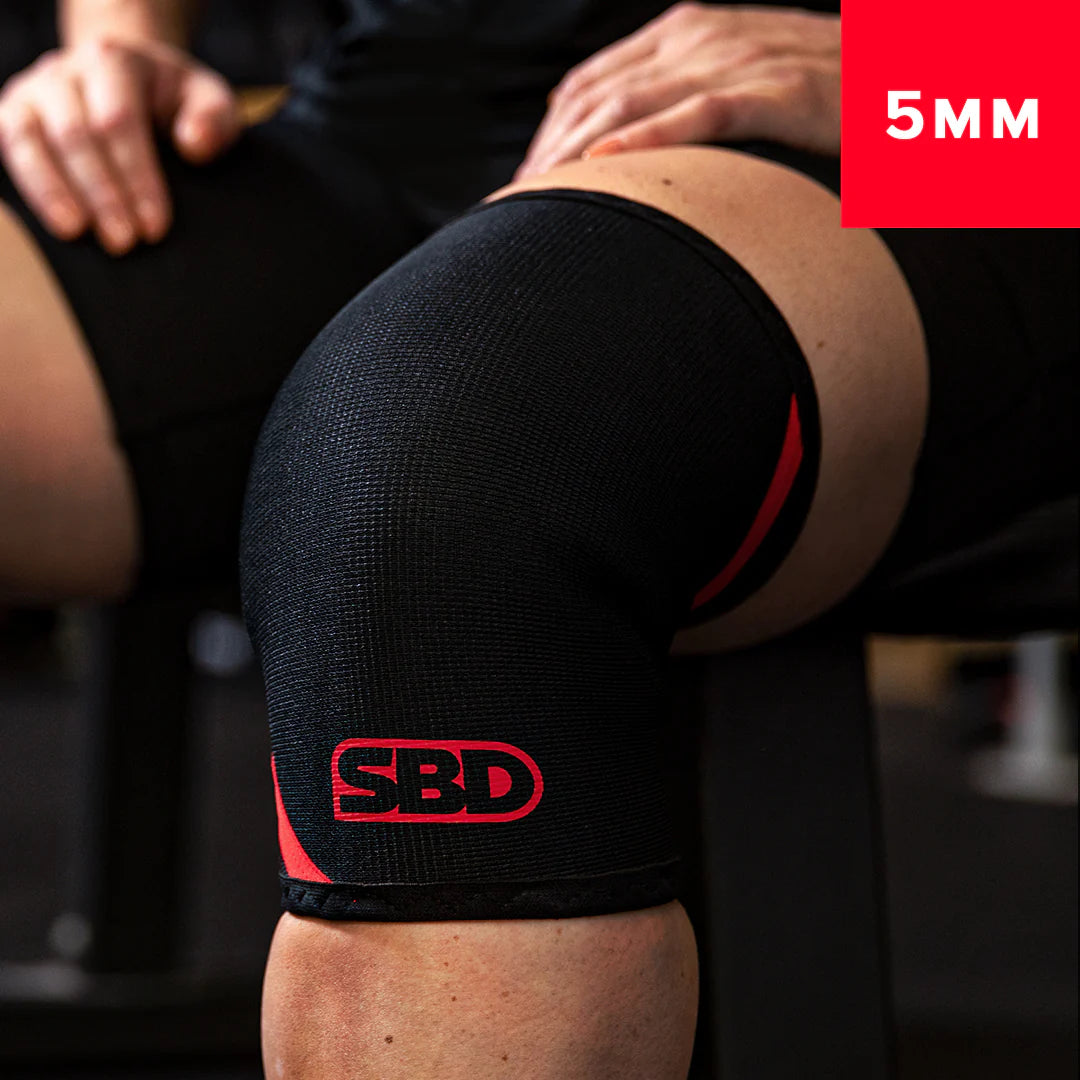
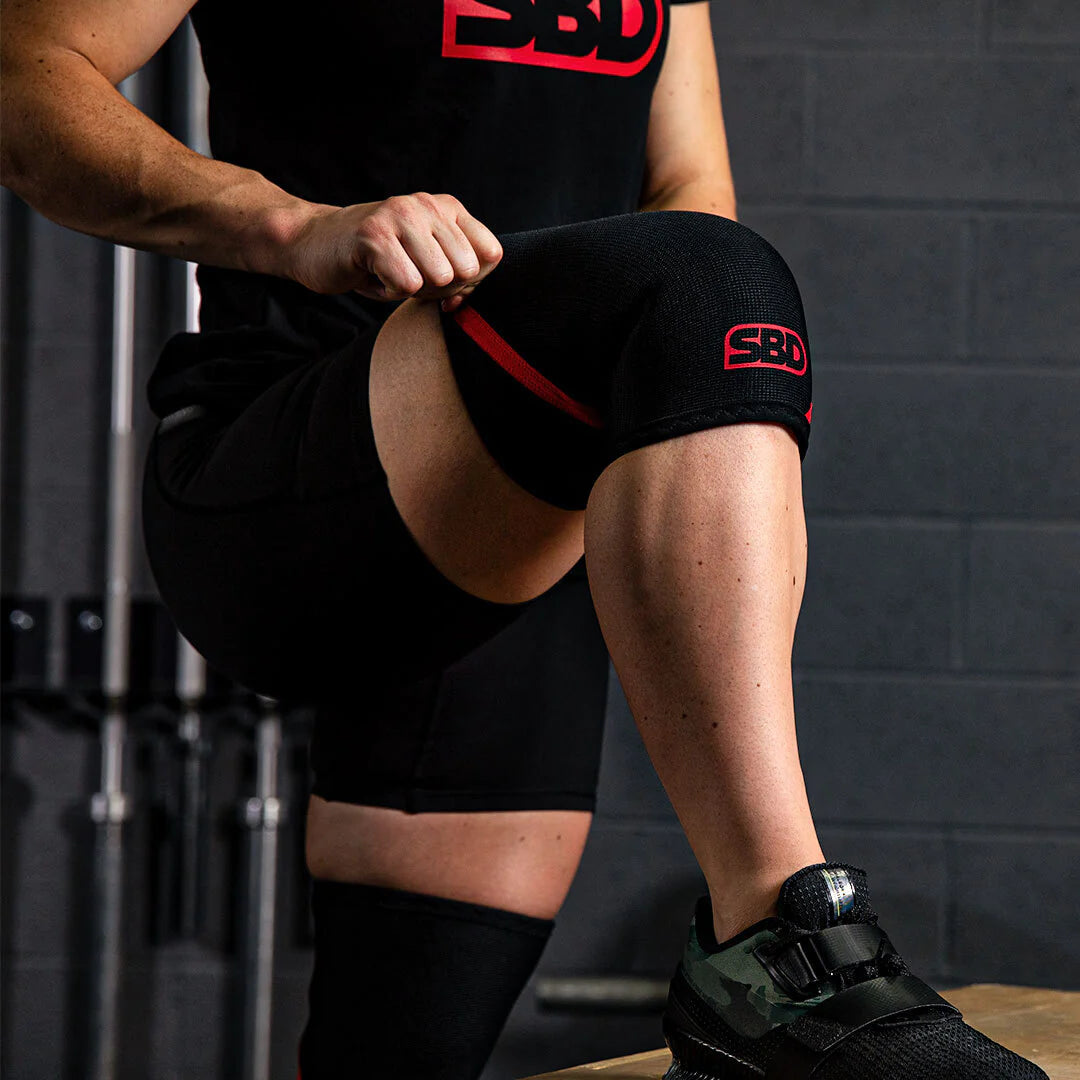
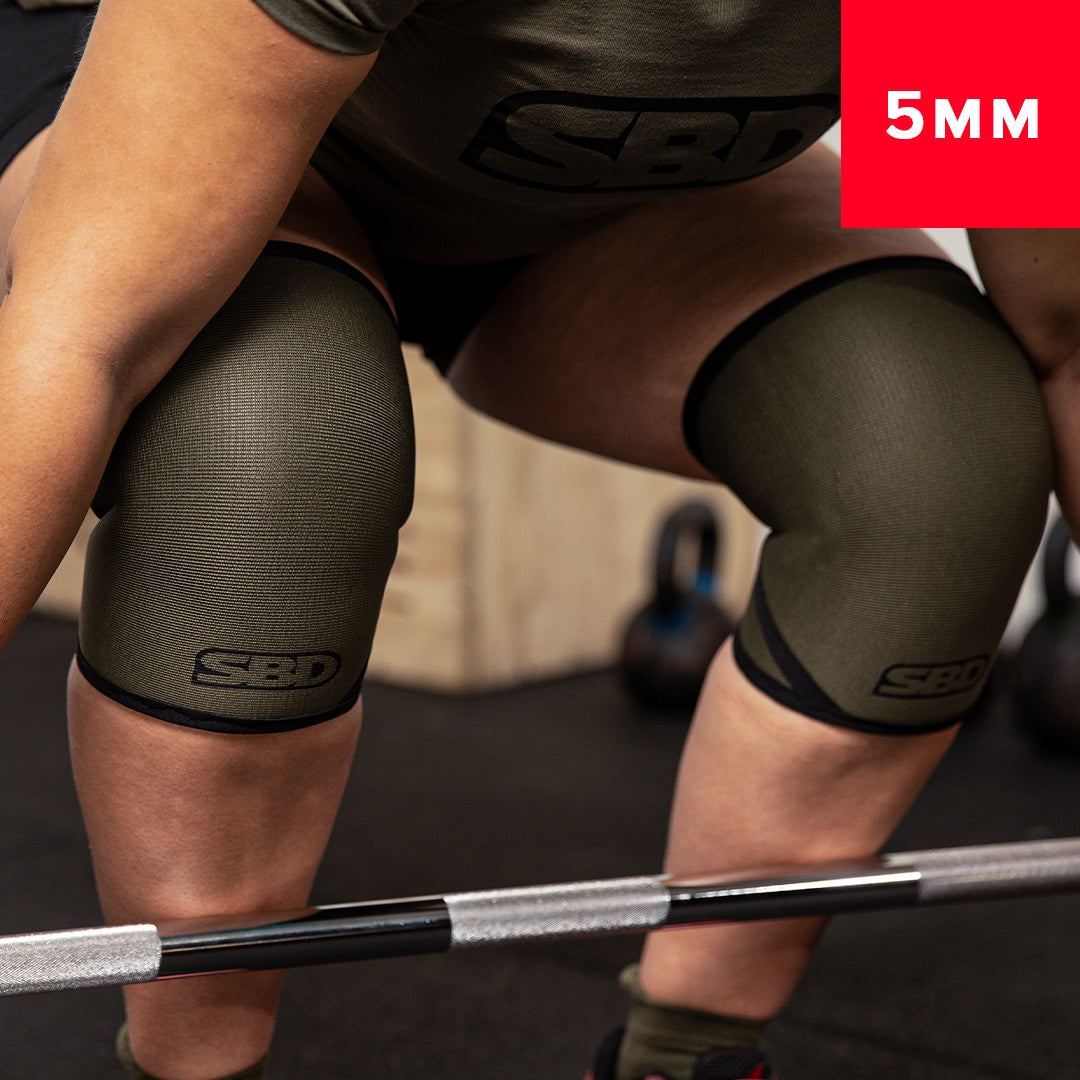
Good stability is especially important during lower body movements. Supportive equipment such as SBD 5mm Knee Sleeves can be useful for lifters who want warmth, compression and a balance between support and free movement during weightlifting and general strength training.
5. Weightlifting Helps You Learn Better Bracing and Posture
Good weightlifting teaches you to brace your core, keep control of your torso and move with intention. This is especially important during squats, deadlifts, cleans, jerks and overhead lifts.
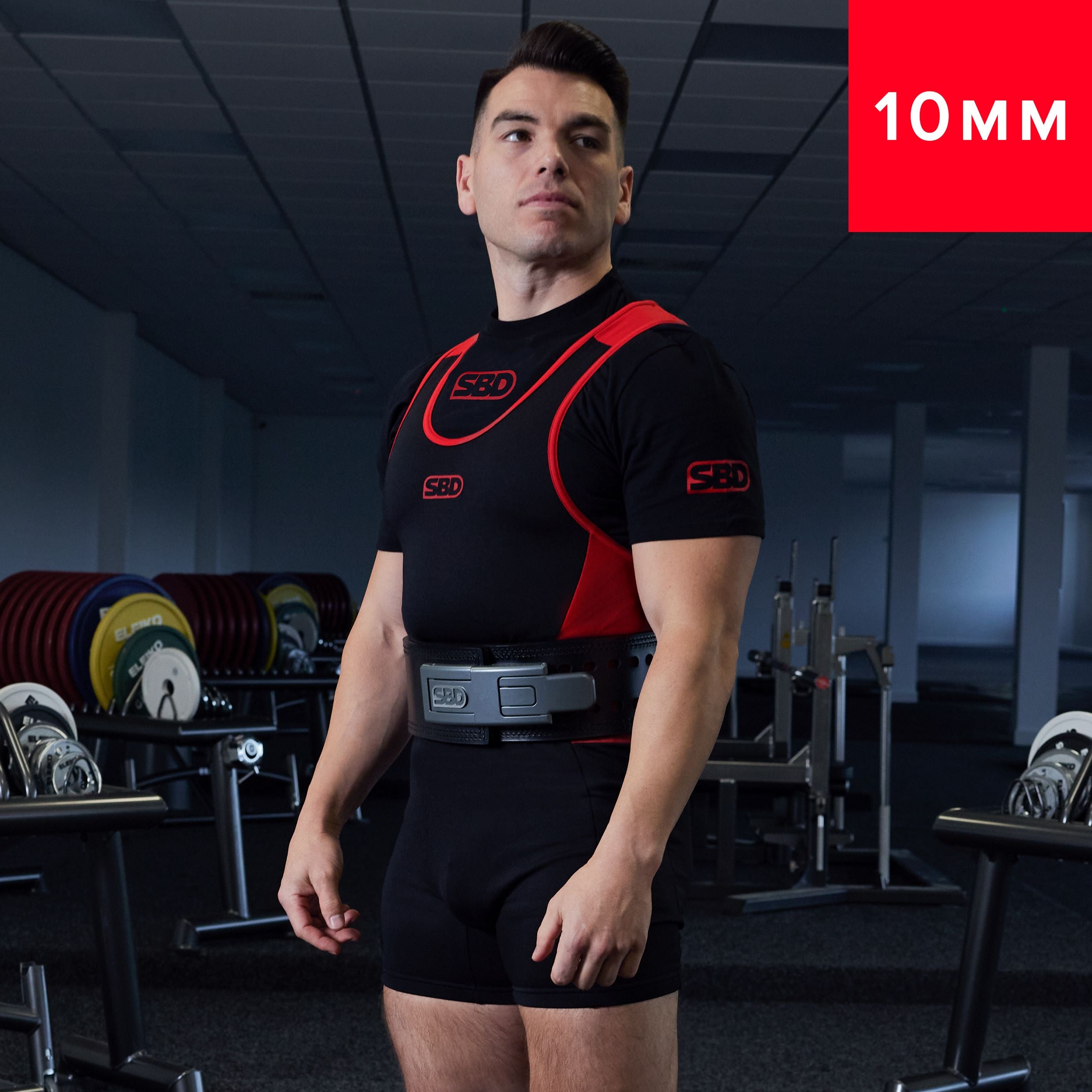
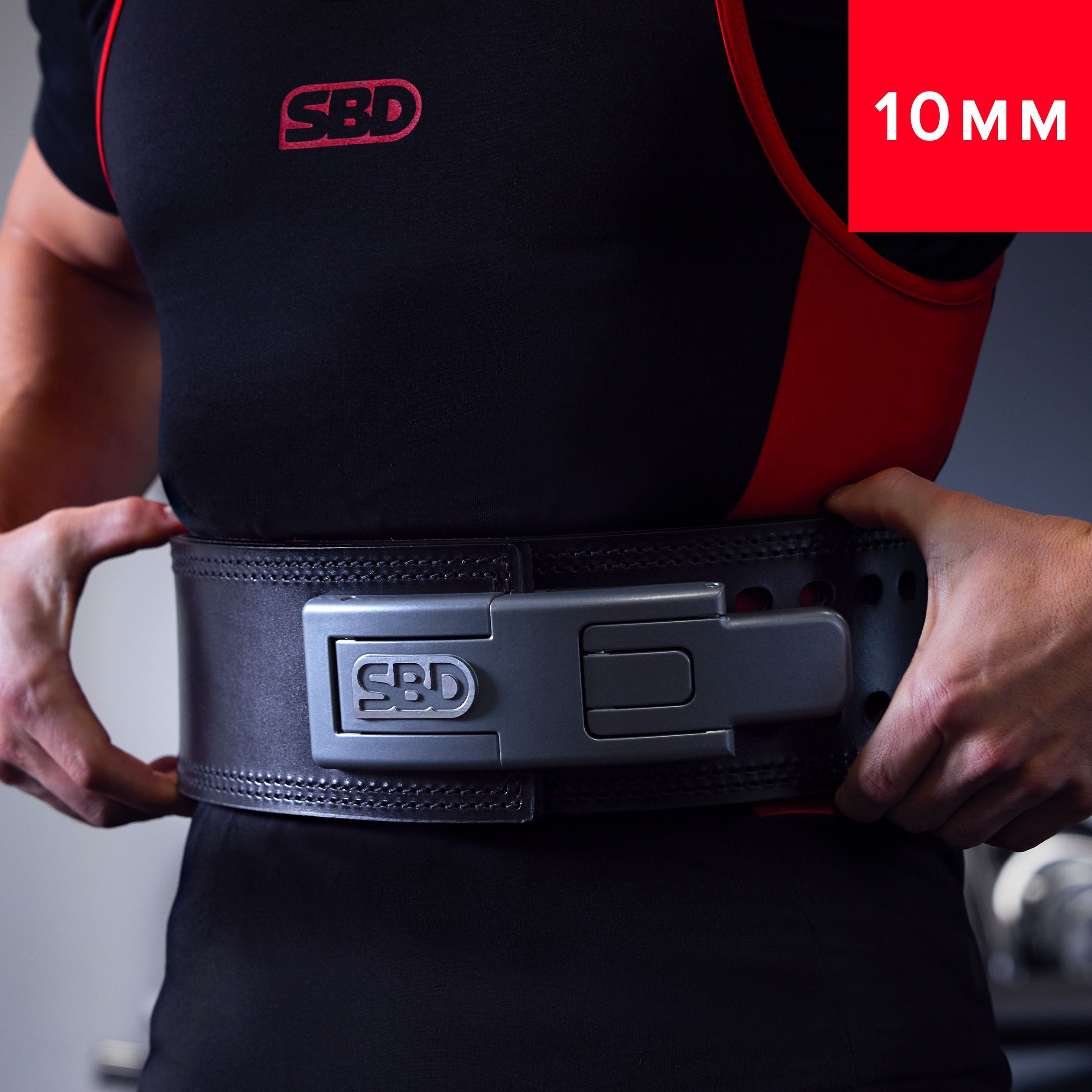
A lifting belt can help reinforce proper bracing during heavier training. The SBD Belt 10mm is a strong option for lifters who want support, comfort and versatility across strength work and weightlifting-focused training. A belt should not replace technique, but it can help you brace more effectively once your lifts become heavier and more structured.
6. Weightlifting Can Support Mental Wellbeing
Weightlifting gives you a clear process to follow. You can track your lifts, improve technique, add small amounts of weight, increase repetitions or feel more confident with movements that once felt difficult.
That structure can be motivating. Many people enjoy weightlifting because progress is measurable. Even small improvements can help build confidence and create a stronger connection between training effort and results.
7. Weightlifting Makes Everyday Movement Easier
Strength training is not only for athletes. It is useful for everyday life because it trains movements you use regularly, including bending, lifting, carrying, pushing, pulling and standing up from seated positions.
When you become stronger, these tasks can feel less demanding. This is one of the biggest long-term health benefits of weightlifting: it helps you build a body that is better prepared for daily life, not just gym sessions.
8. Weightlifting Can Help Build a Sustainable Fitness Routine
One reason weightlifting works well for many people is that it can be adapted to different levels. Beginners can start with basic movements and light loads, while experienced lifters can use more advanced programming, heavier weights and technical lifts.
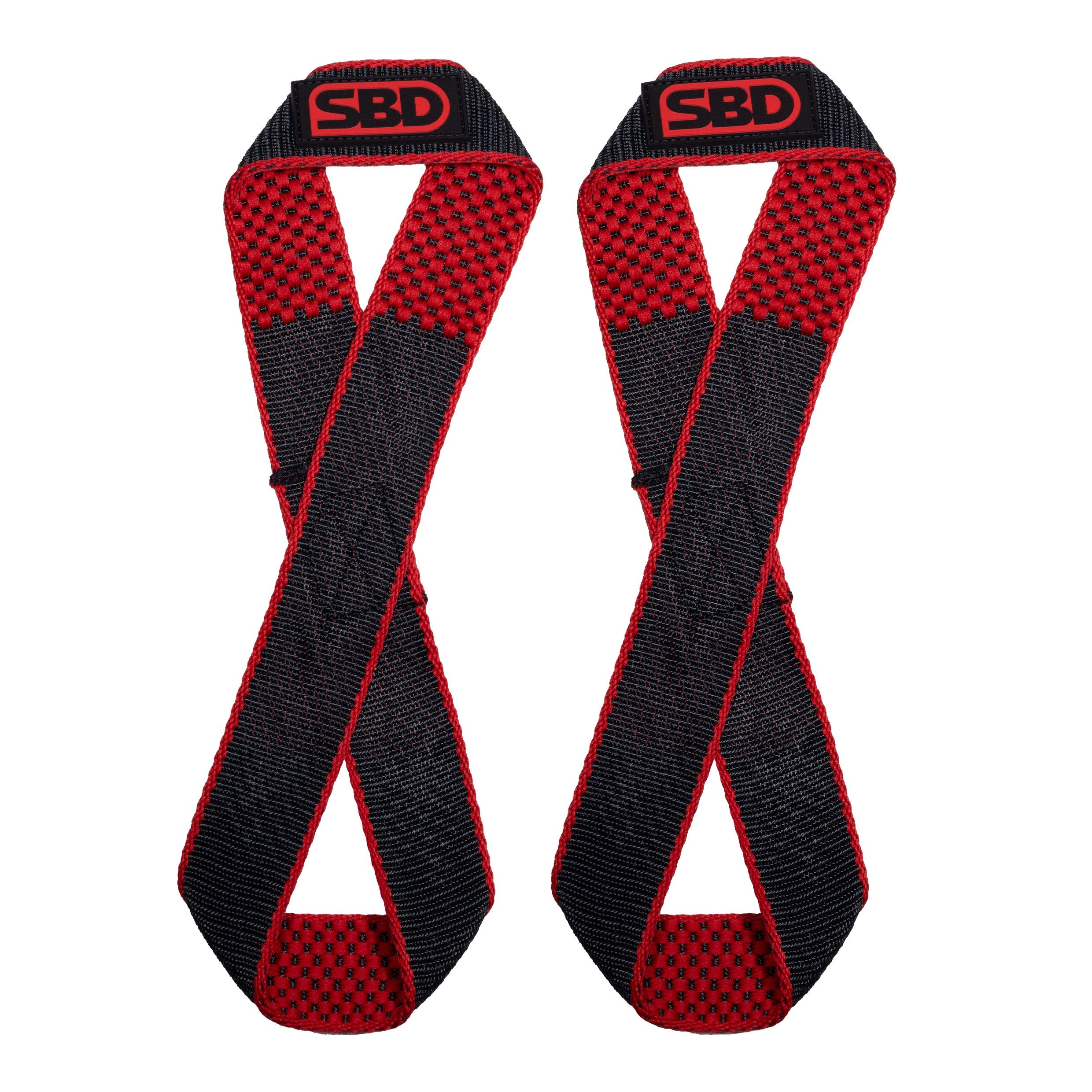
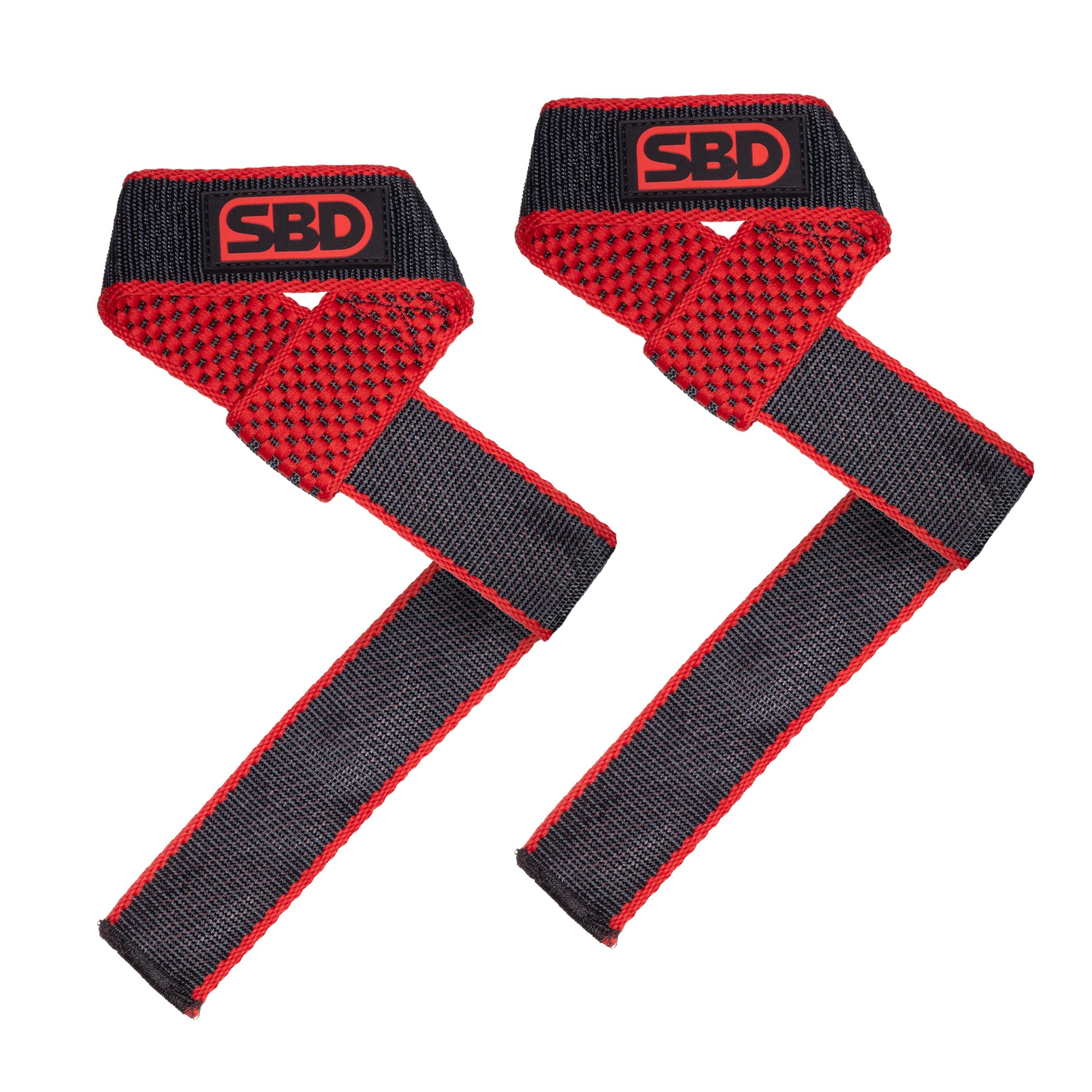
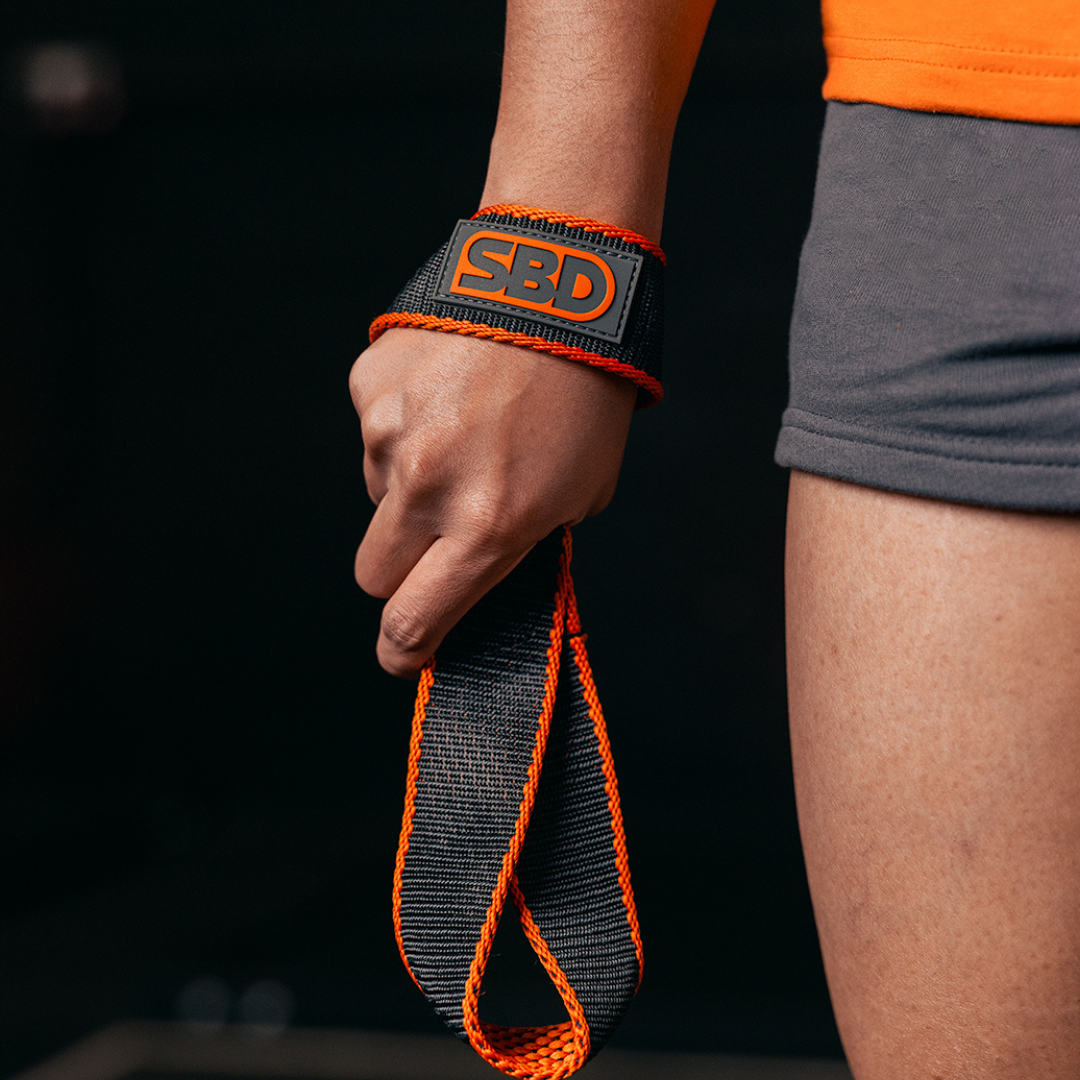
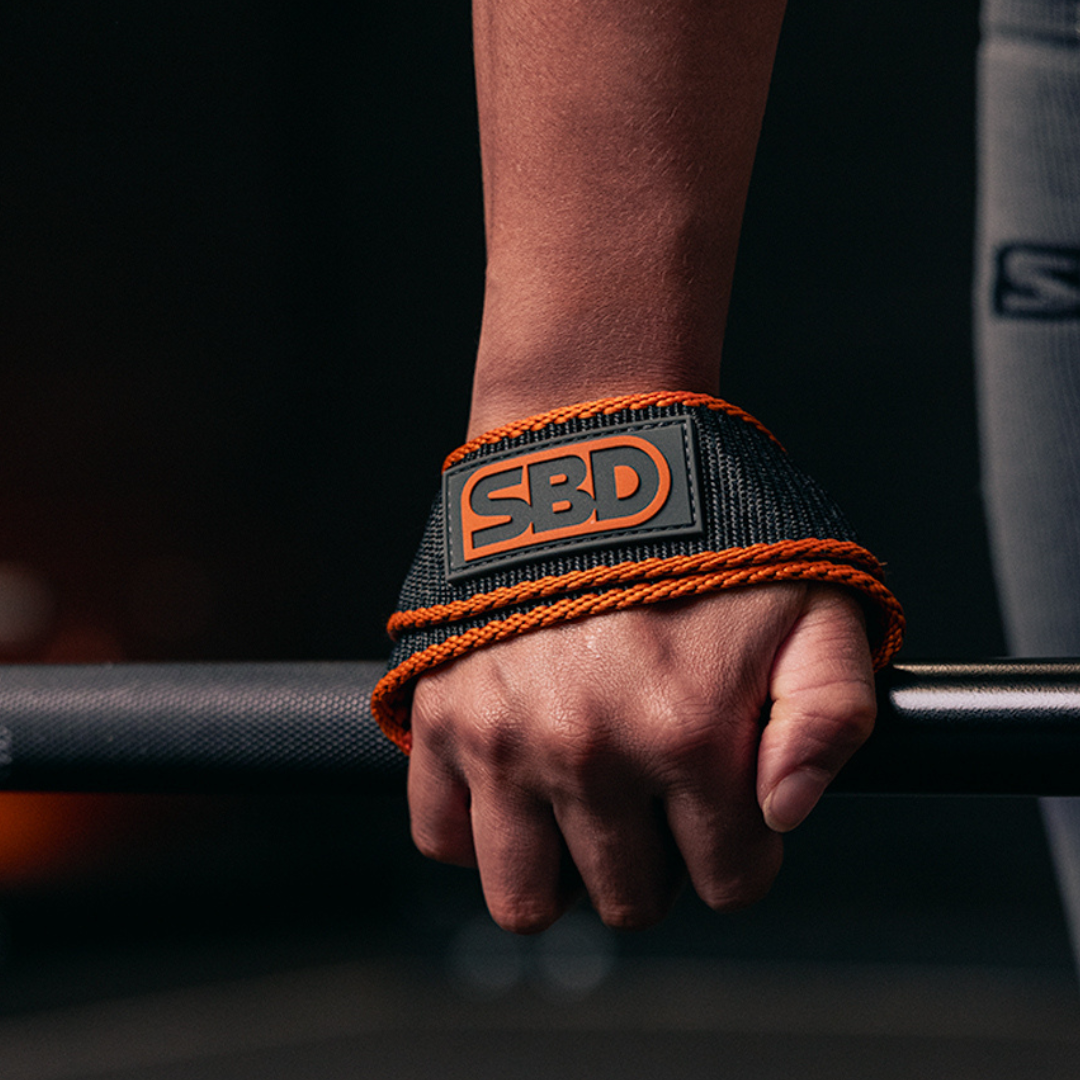
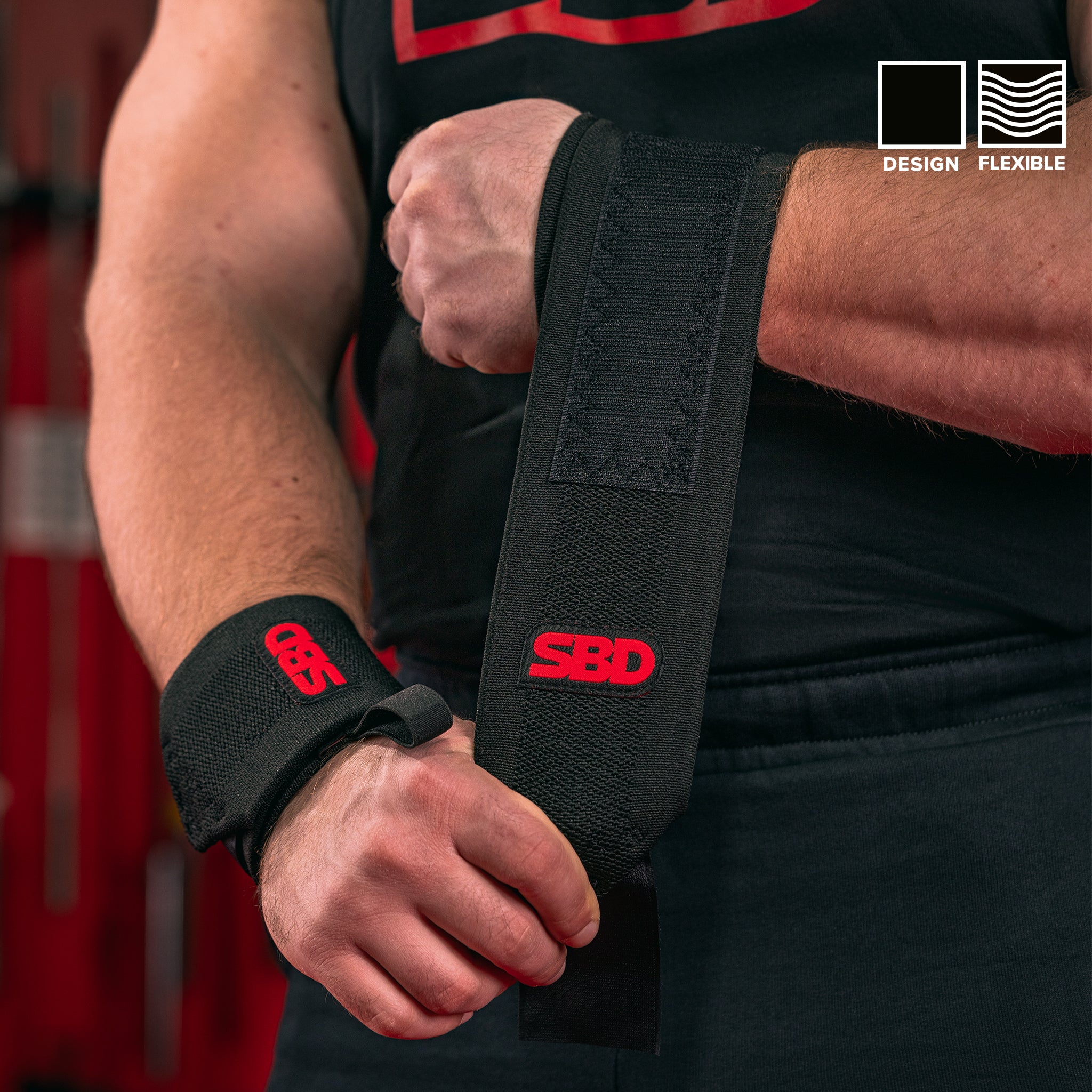
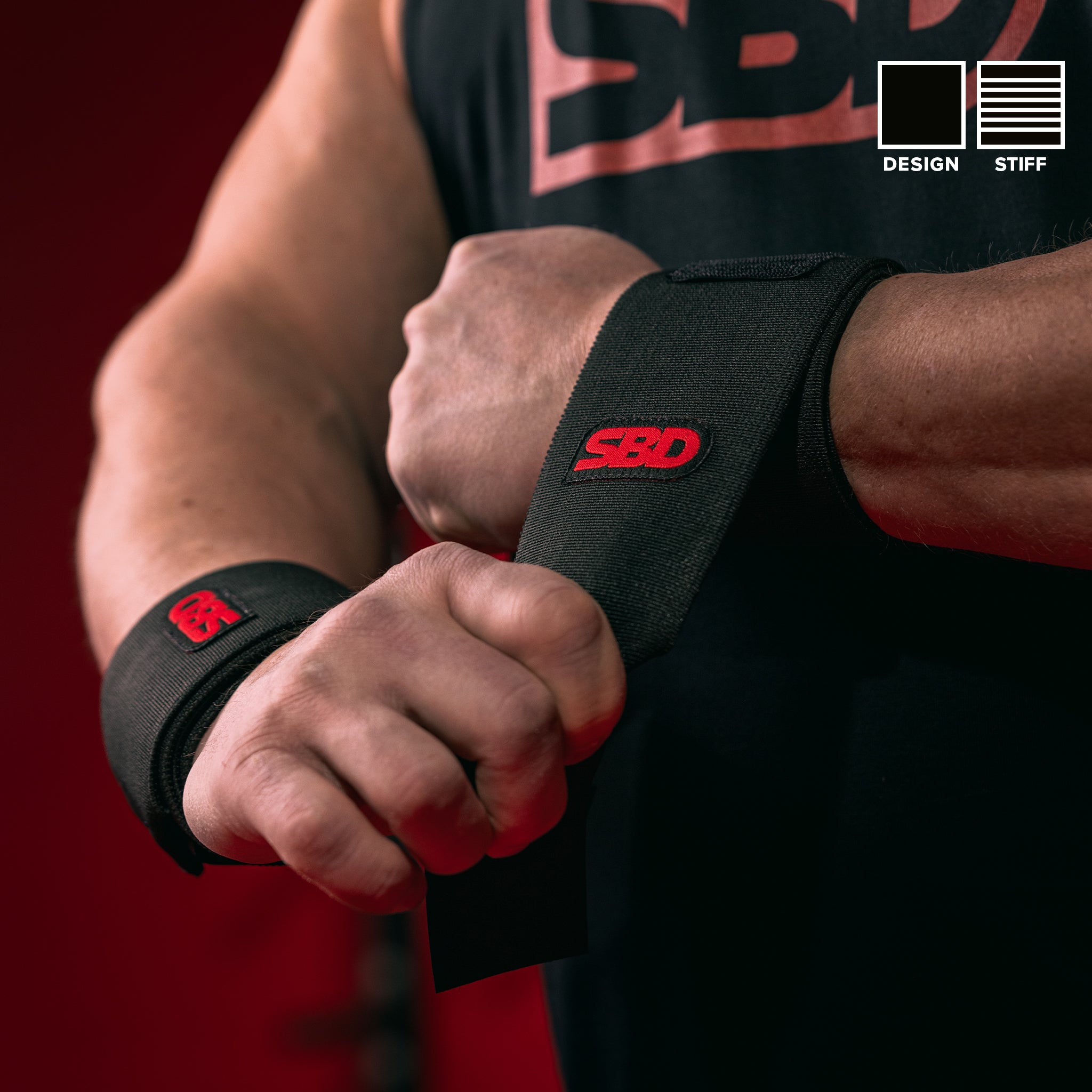
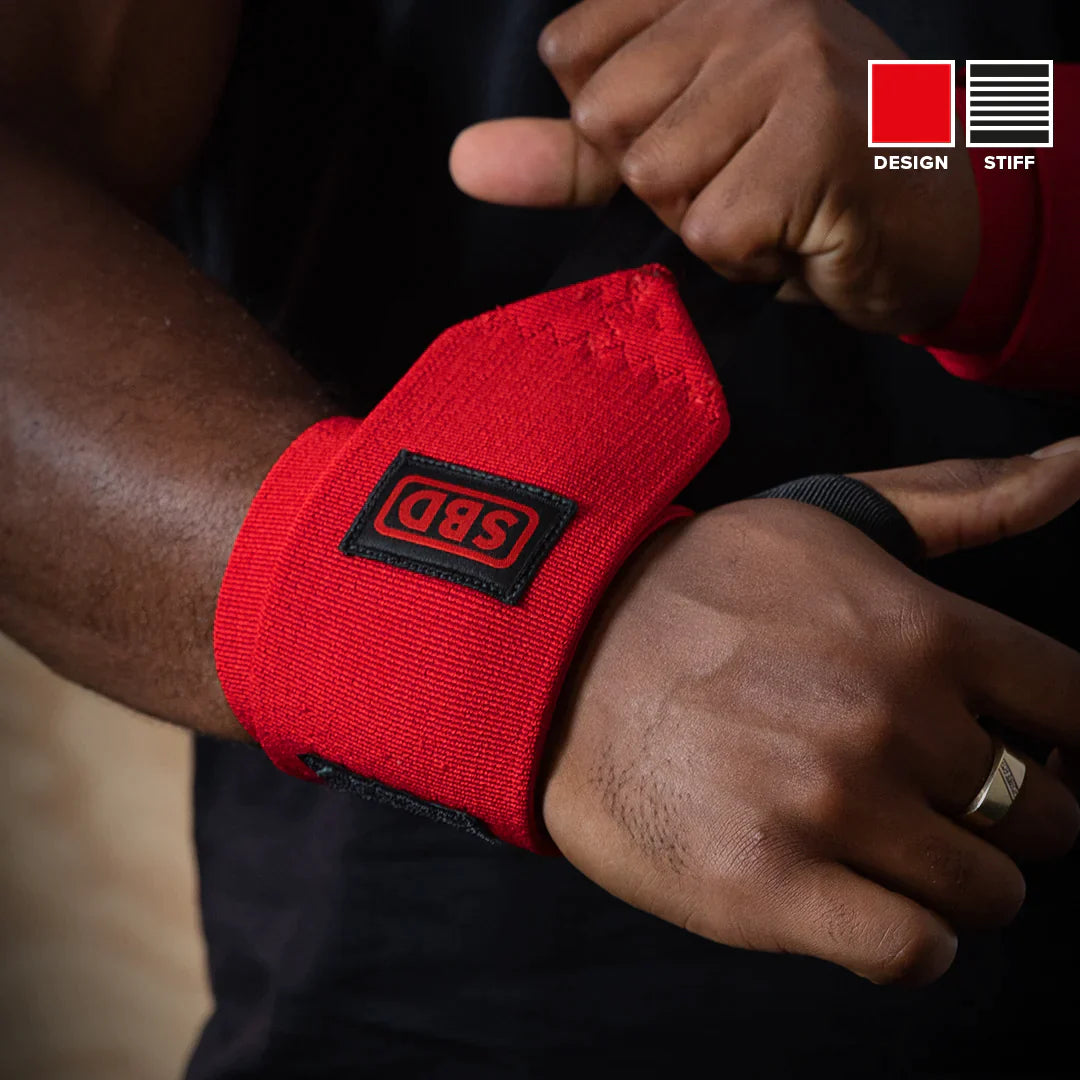
If you are new to training, the Beginner’s Buying Guide to Weightlifting Gear is a useful place to start. It explains the role of key items such as knee sleeves, belts, wrist wraps, lifting straps and weightlifting costumes, helping you decide what to buy first and when to upgrade your kit.
Health Benefits of Weightlifting by Training Goal
| Training Goal | How Weightlifting Helps | Useful Gear to Consider |
|---|---|---|
| Build strength | Progressively improves your ability to lift, push, pull and carry | SBD Belt 10mm |
| Improve confidence | Creates clear goals and measurable progress | Weightlifting range |
| Support knees during training | Helps with warmth, compression and comfort during squats and Olympic lifts | 5mm Knee Sleeves |
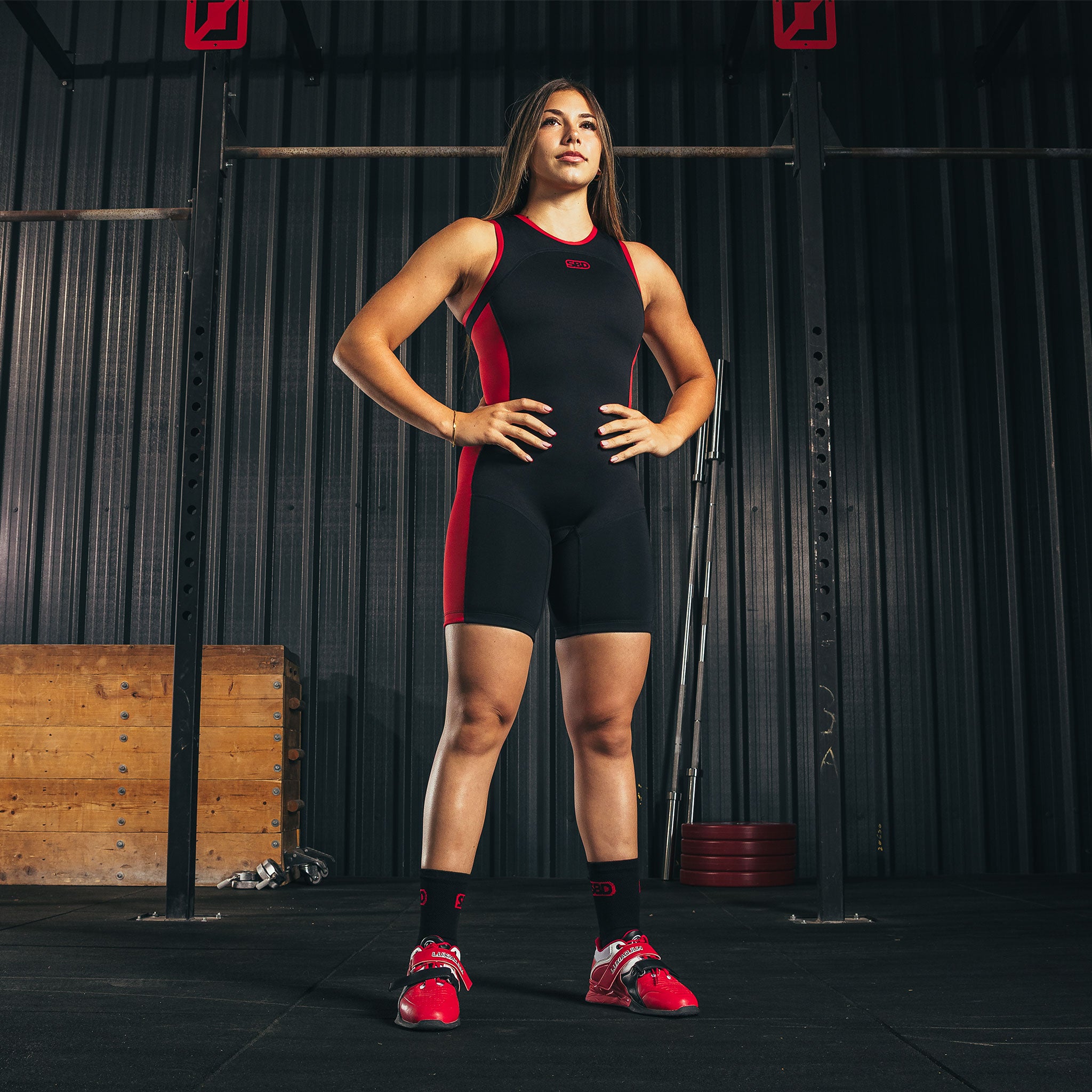
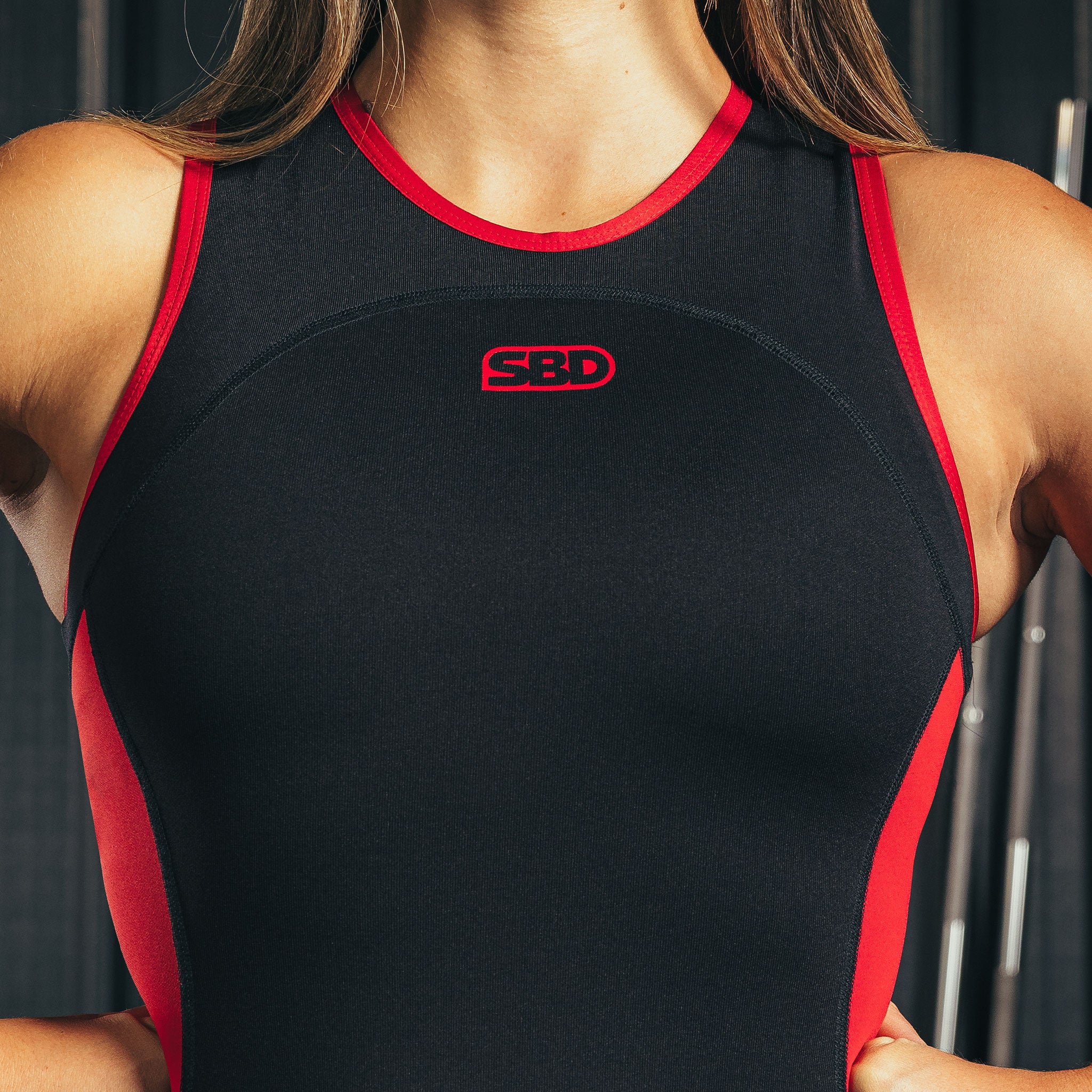
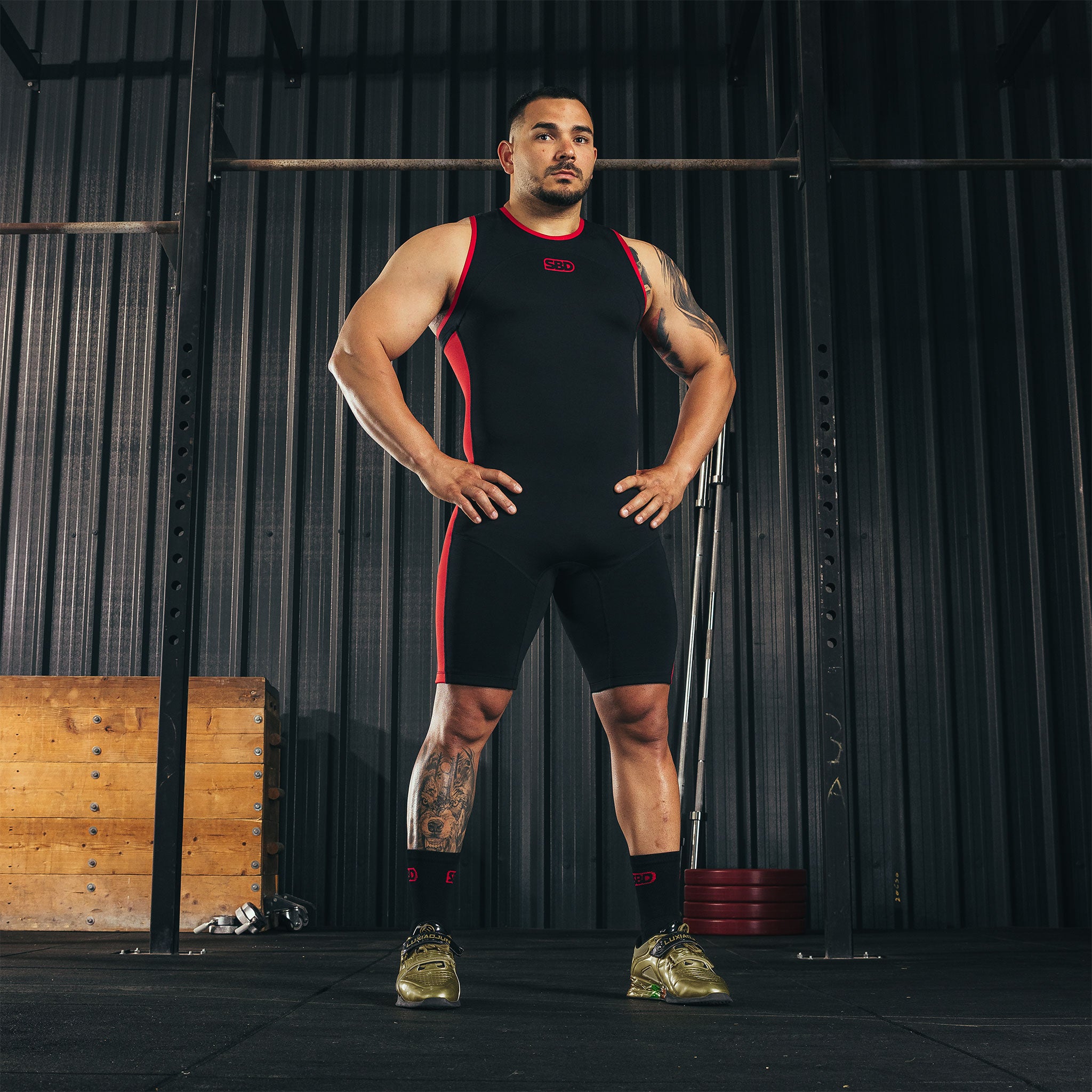
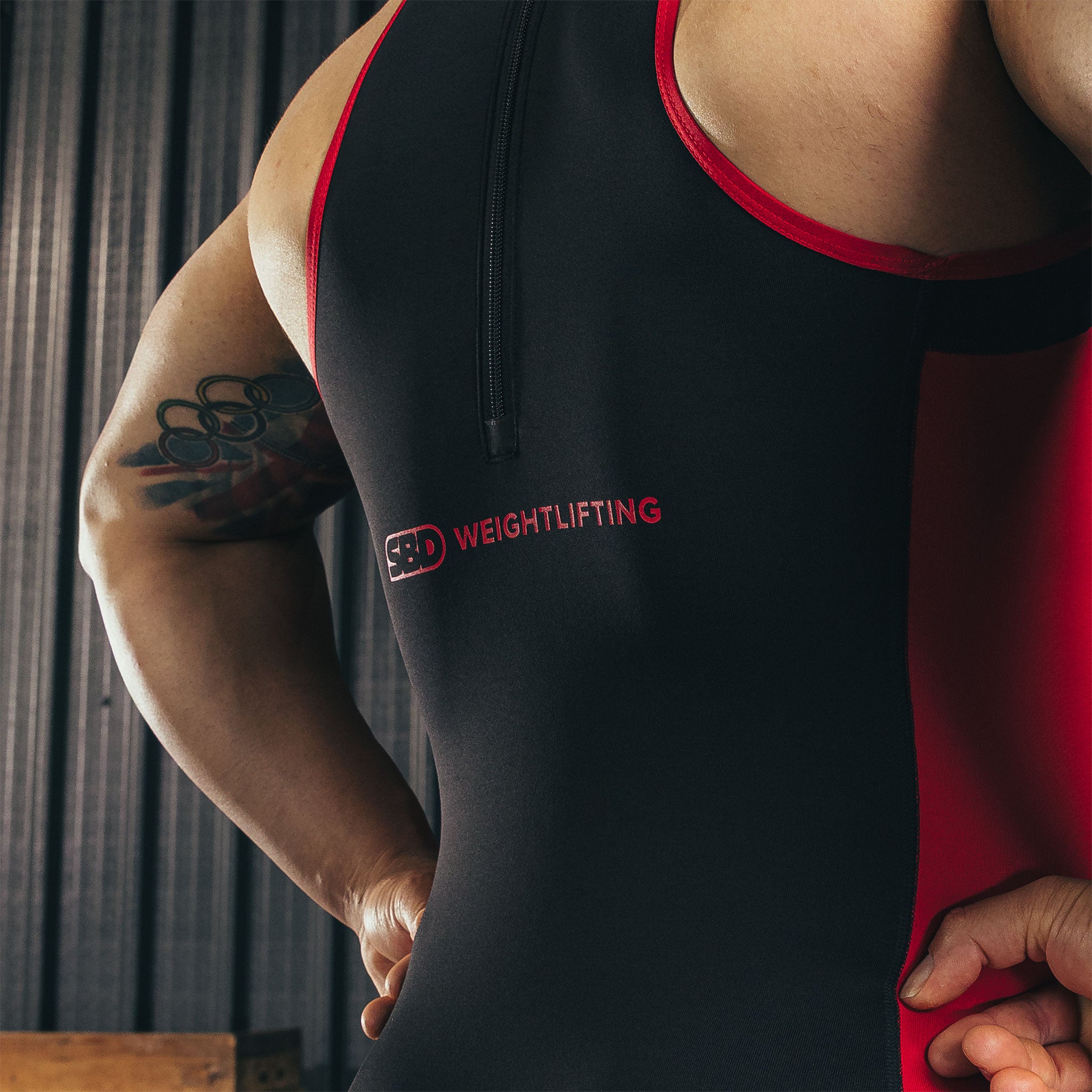
| Prepare for competition | Helps you train in kit designed for platform performance | SBD Weightlifting Costume |
How Often Should You Lift Weights?
For general health, many adults aim to include strength training at least twice per week. This does not mean every session needs to be extreme. In fact, consistency is usually more important than chasing a perfect plan.
A beginner might start with two full-body strength sessions per week, focusing on simple movements and controlled technique. A more experienced lifter may train three to five times per week depending on recovery, goals and training history.
Beginner-Friendly Weekly Weightlifting Example
| Day | Training Focus | Example Session |
|---|---|---|
| Monday | Lower body strength | Squat, Romanian deadlift, split squat, core work |
| Wednesday | Upper body strength | Press, row, assisted pull-up, carries |
| Friday | Technique and full-body work | Light cleans, front squats, overhead work, mobility |
| Weekend | Recovery or light activity | Walking, stretching, easy cycling or mobility work |
Weightlifting Gear That Supports Better Training
The right equipment should support your lifting, not replace good technique. Build your kit gradually based on your training style, goals and needs.
SBD Ireland Weightlifting Range
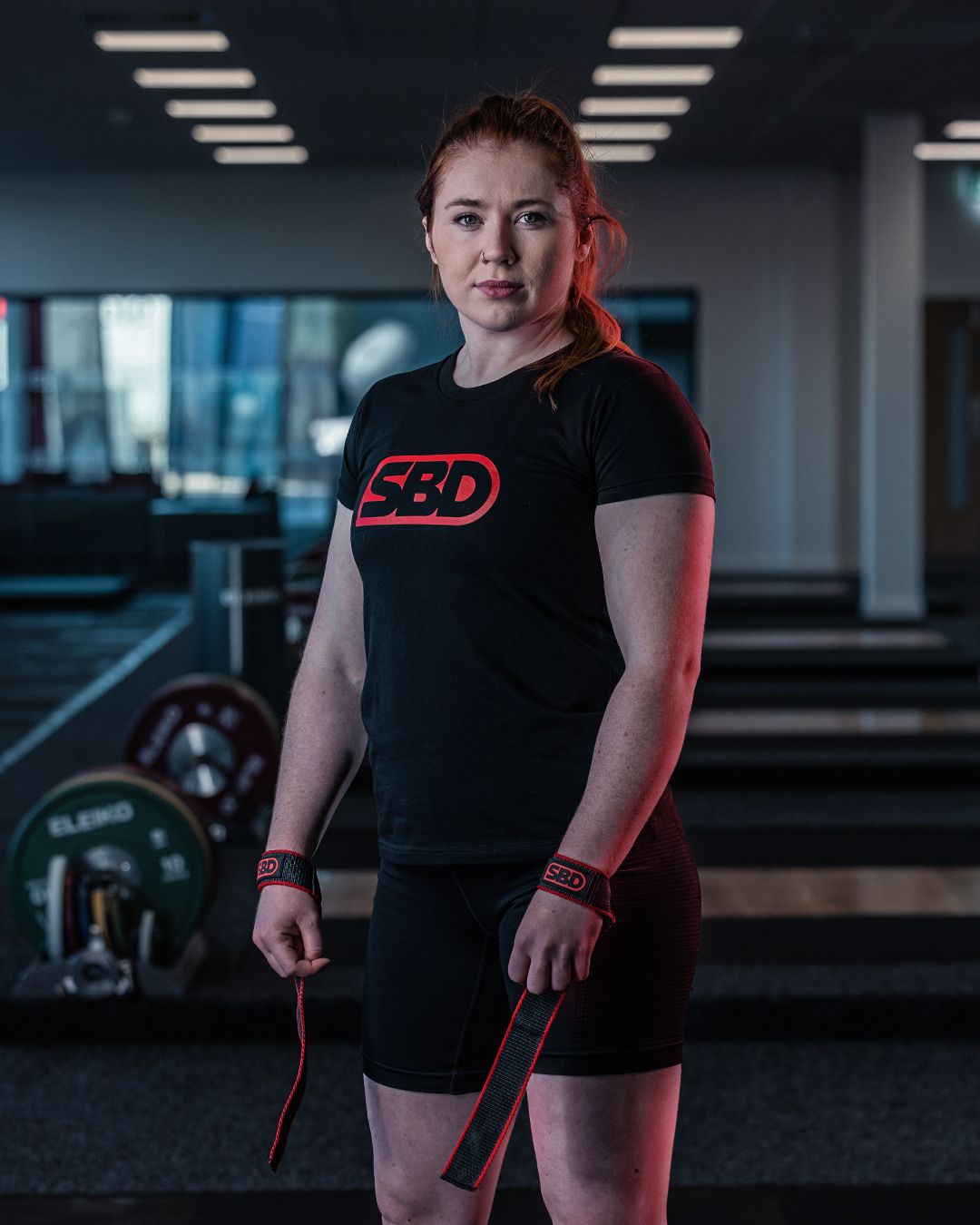
The SBD Ireland Weightlifting range includes weightlifting costumes, lifting belts, wrist wraps and weightlifting knee sleeves designed to support lifters in training and competition.
SBD Belt 10mm
The SBD Belt 10mm is a versatile choice for lifters who want reliable support while training squats, pulls and heavier strength work. It can help lifters brace more effectively once loads become more challenging.
5mm Knee Sleeves
5mm knee sleeves are a practical option for weightlifting and general strength training because they offer a balance between support and freedom of movement.
SBD Weightlifting Costume
For athletes who train Olympic lifts or plan to compete, the SBD Weightlifting Costume is designed for performance on the platform, with a focus on comfort, durability and freedom of movement.

Tips for Getting the Most from Weightlifting
- Start with technique: Learn how to squat, hinge, press, pull and brace before chasing heavier numbers.
- Progress gradually: Add weight, reps or sets over time rather than rushing into heavy lifting too soon.
- Train consistently: Two or three good sessions per week can be more effective than occasional intense workouts.
- Recover properly: Sleep, rest days, nutrition and hydration all affect strength progress.
- Use gear at the right time: Knee sleeves, belts, straps and wrist wraps are most useful when they support a clear training need.
Common Myths About Weightlifting
Myth 1: Weightlifting is only for people who want to get big
Weightlifting can build muscle, but it is also useful for strength, mobility, confidence, balance and everyday function. Not everyone trains for size.
Myth 2: Beginners need lots of equipment straight away
Most beginners can start with basic gym wear and good coaching or instruction. Equipment such as belts and knee sleeves can be added later as training becomes more structured.
Myth 3: Weightlifting is bad for your joints
Poor technique, too much load too soon or inadequate recovery can create problems, but sensible strength training can help support the muscles and tissues around your joints.
Myth 4: You need to train every day
You do not need to lift daily to see benefits. Many people make excellent progress with two to four well-planned sessions per week.
FAQ: Health Benefits of Weightlifting
Is weightlifting good for general health?
Yes, weightlifting can be a valuable part of a healthy routine. It supports strength, muscle maintenance, balance, confidence and daily movement when performed safely and consistently.
How quickly will I notice benefits from weightlifting?
Many beginners notice improved confidence, coordination and strength within the first few weeks. Changes in muscle size and body composition usually take longer and depend on training, nutrition and recovery.
Can weightlifting help with posture?
Weightlifting can help you build stronger back, core, hip and shoulder muscles. Combined with good technique and mobility work, this can support better posture and more controlled movement.
Do I need a belt when weightlifting?
Not immediately. Beginners should first learn how to brace without a belt. As your lifts become heavier, a belt such as the SBD Belt 10mm can help support your brace during demanding sets.
Are knee sleeves useful for weightlifting?
Yes, knee sleeves can be useful for warmth, compression and comfort during squats and Olympic lifts. The SBD 5mm Knee Sleeves are designed to offer support while still allowing free movement.
What should beginners buy first?
Most beginners should focus on learning technique first. If you squat regularly, knee sleeves are often a useful first upgrade. If you are moving into heavier strength work, a belt may be the next practical addition. Read the Beginner’s Buying Guide to Weightlifting Gear for more detail.
Final Thoughts
The health benefits of weightlifting make it one of the most valuable forms of training for long-term strength, confidence and physical resilience. It can help you build muscle, support bone health, improve balance, strengthen your core and make everyday movement feel easier.
Start gradually, focus on good technique and build your training routine around consistency. When you are ready to add supportive kit, explore the SBD Ireland Weightlifting range, including the SBD Belt 10mm, 5mm Knee Sleeves and SBD Weightlifting Costume.