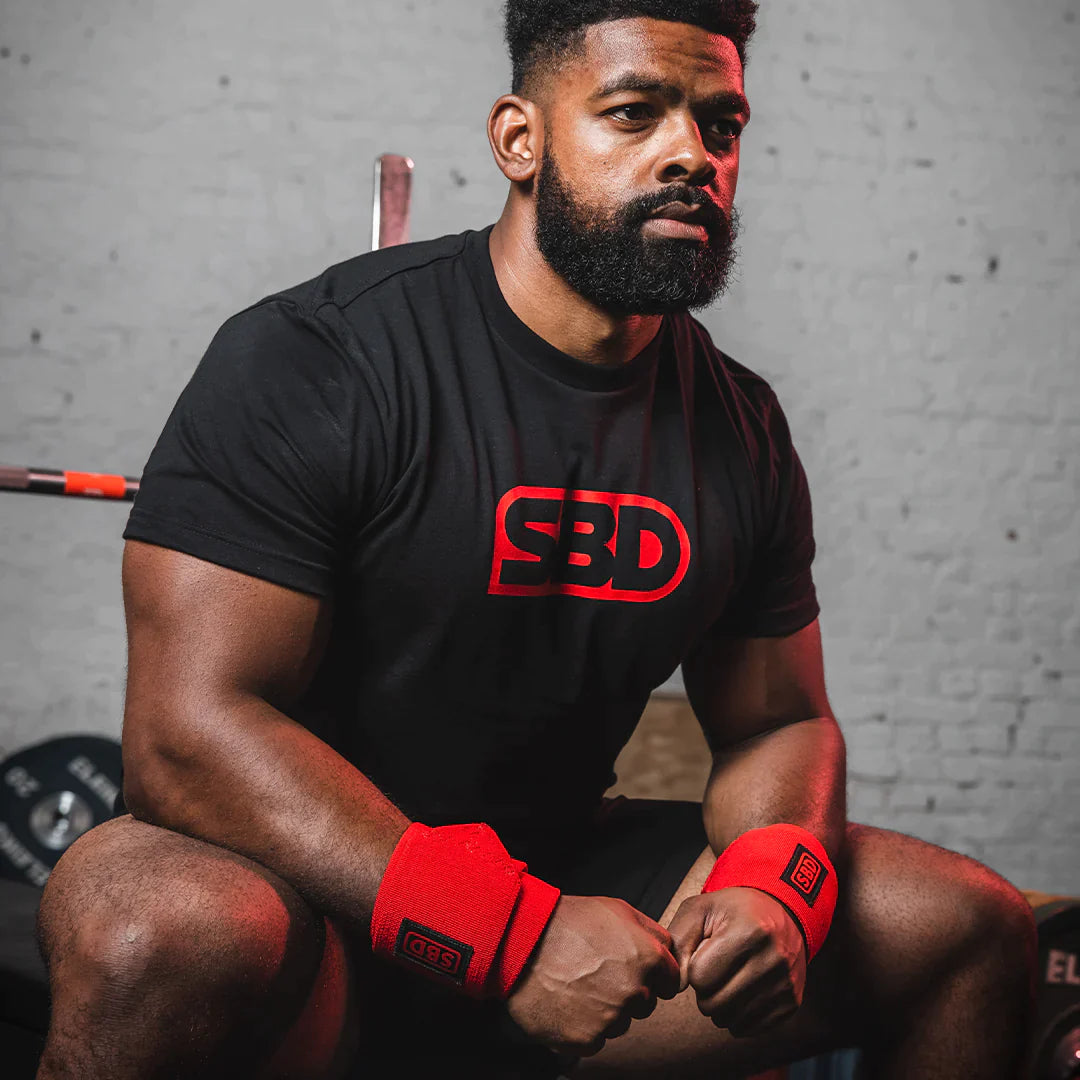


An Olympic weightlifting belt should support your brace without getting in the way of speed, positioning or movement. In Olympic lifting, the right belt can help you stay strong through cleans, jerks, squats and pulls while still allowing you to move freely under the bar.

In Olympic weightlifting, the belt has a different job than it does in slow maximal powerlifting work. A belt for the snatch, clean and jerk needs to help you brace hard while still allowing fast movement, a deep receiving position and a strong overhead finish. The best olympic weightlifting belt is not simply the stiffest belt you can find. It is the belt that gives you support without restricting the positions you need to hit.
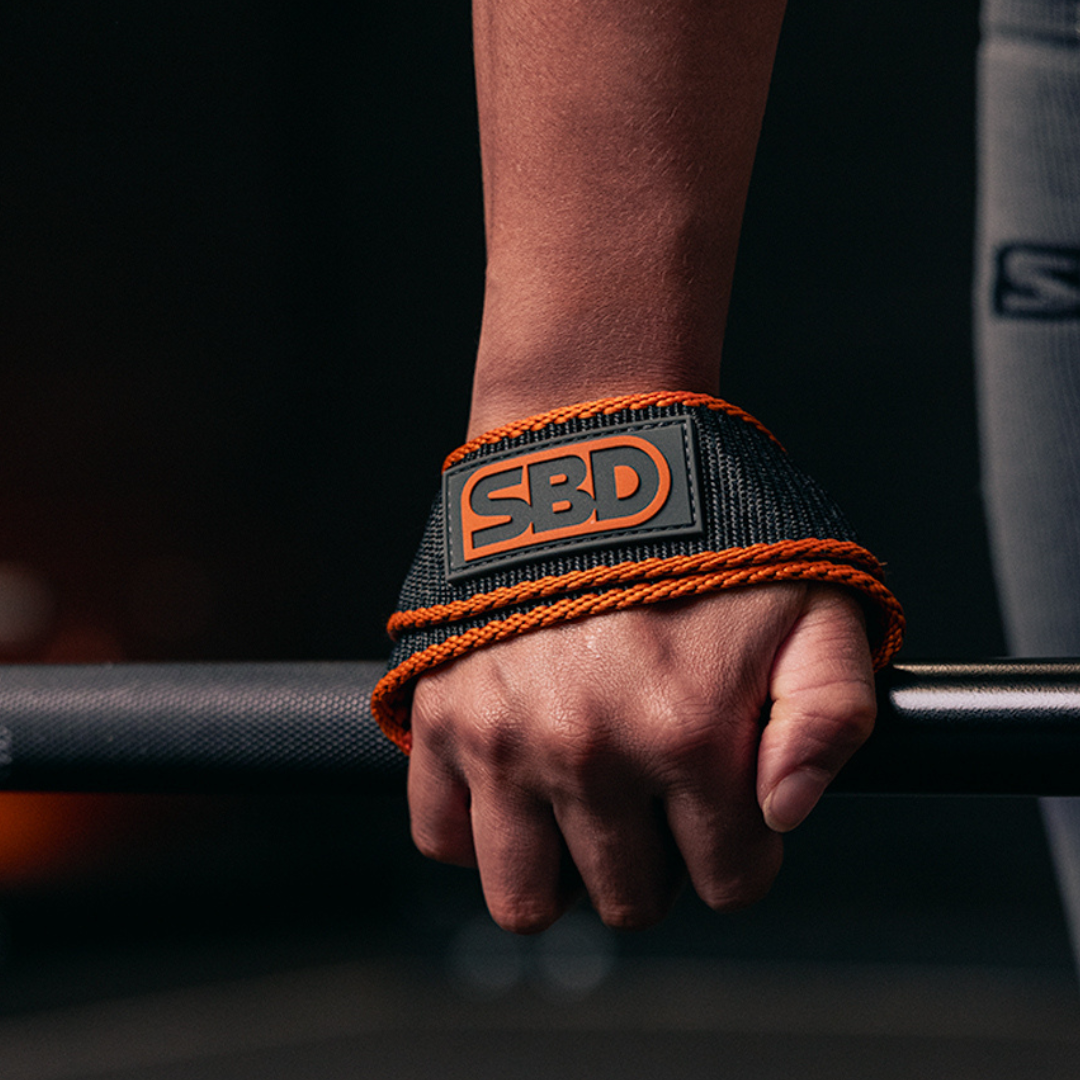
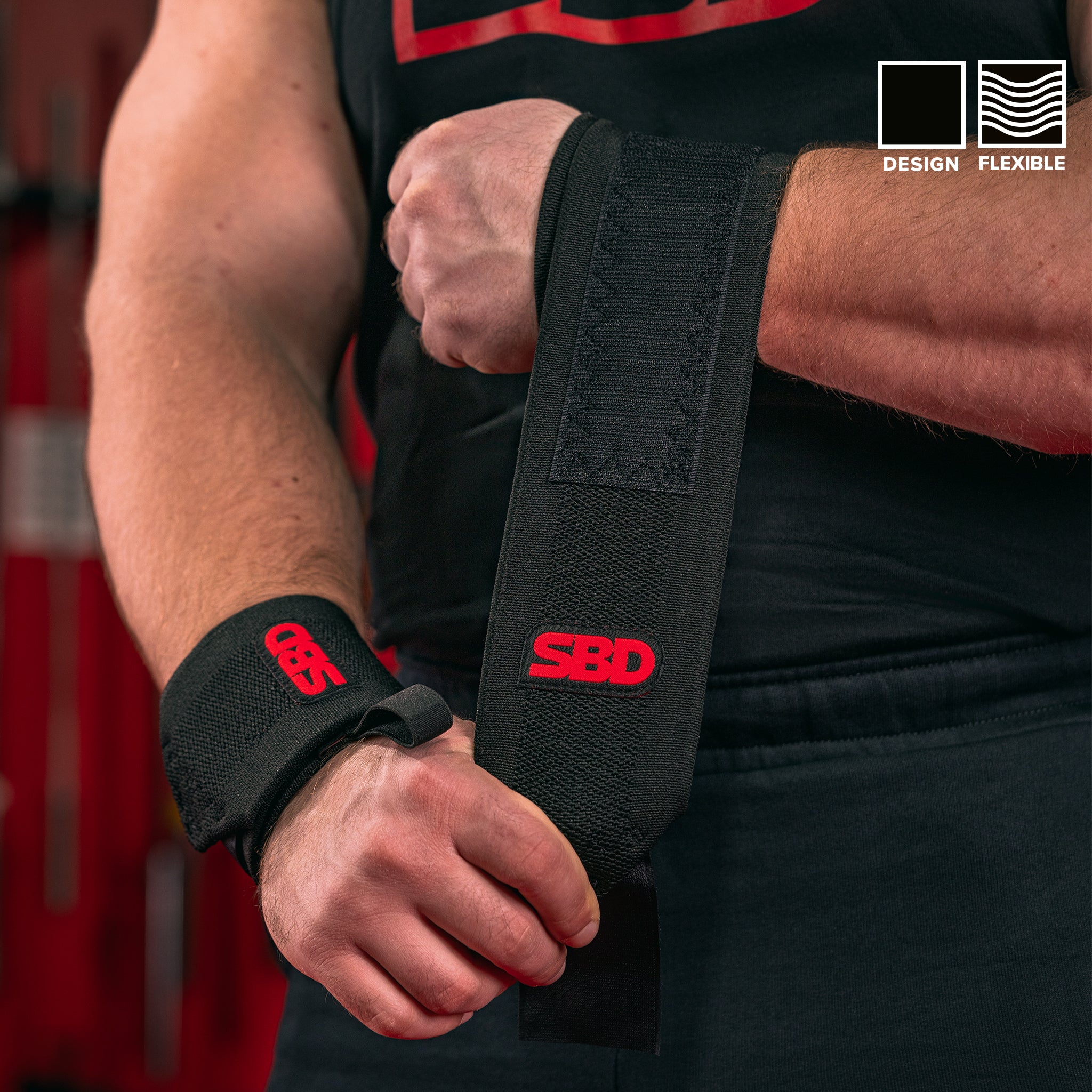
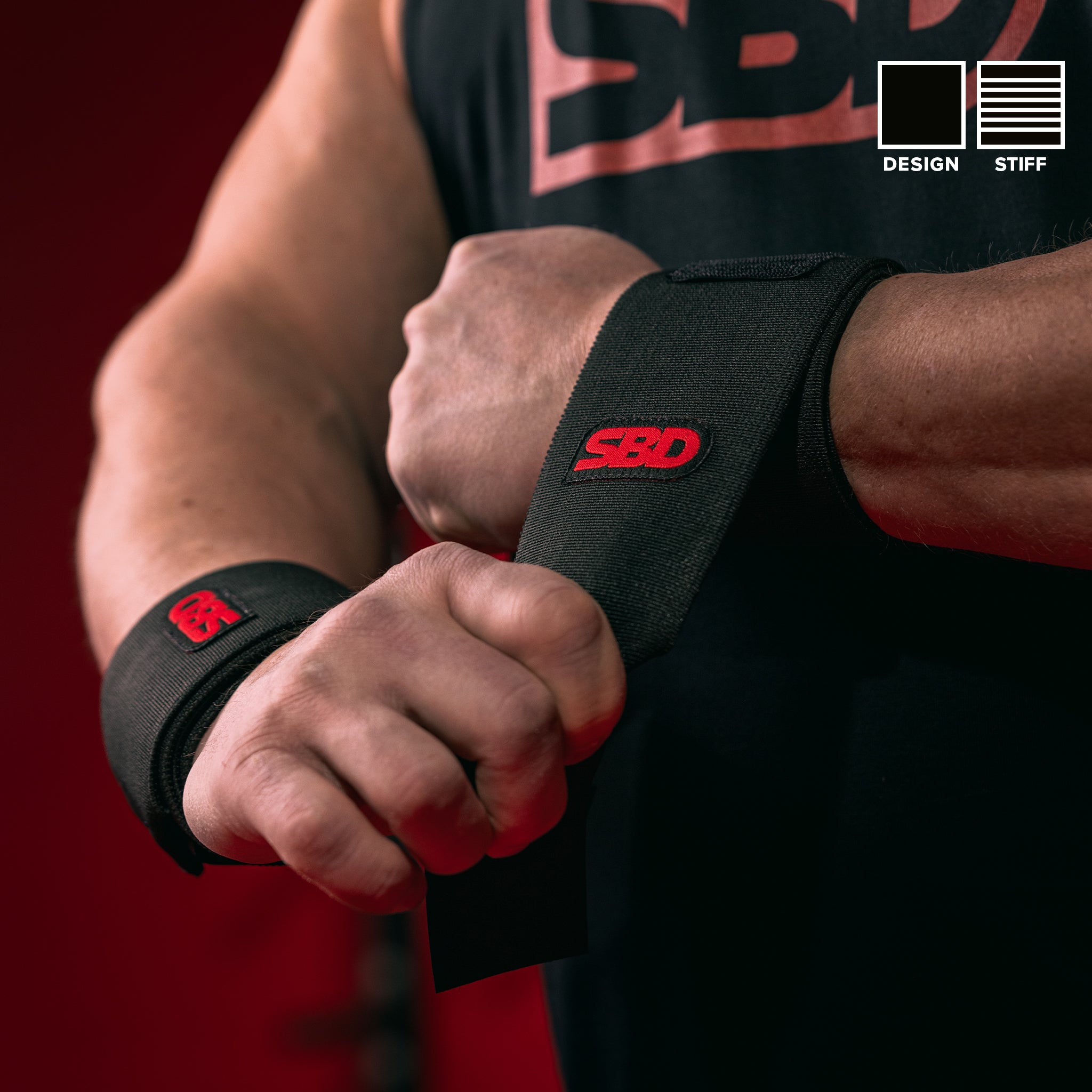
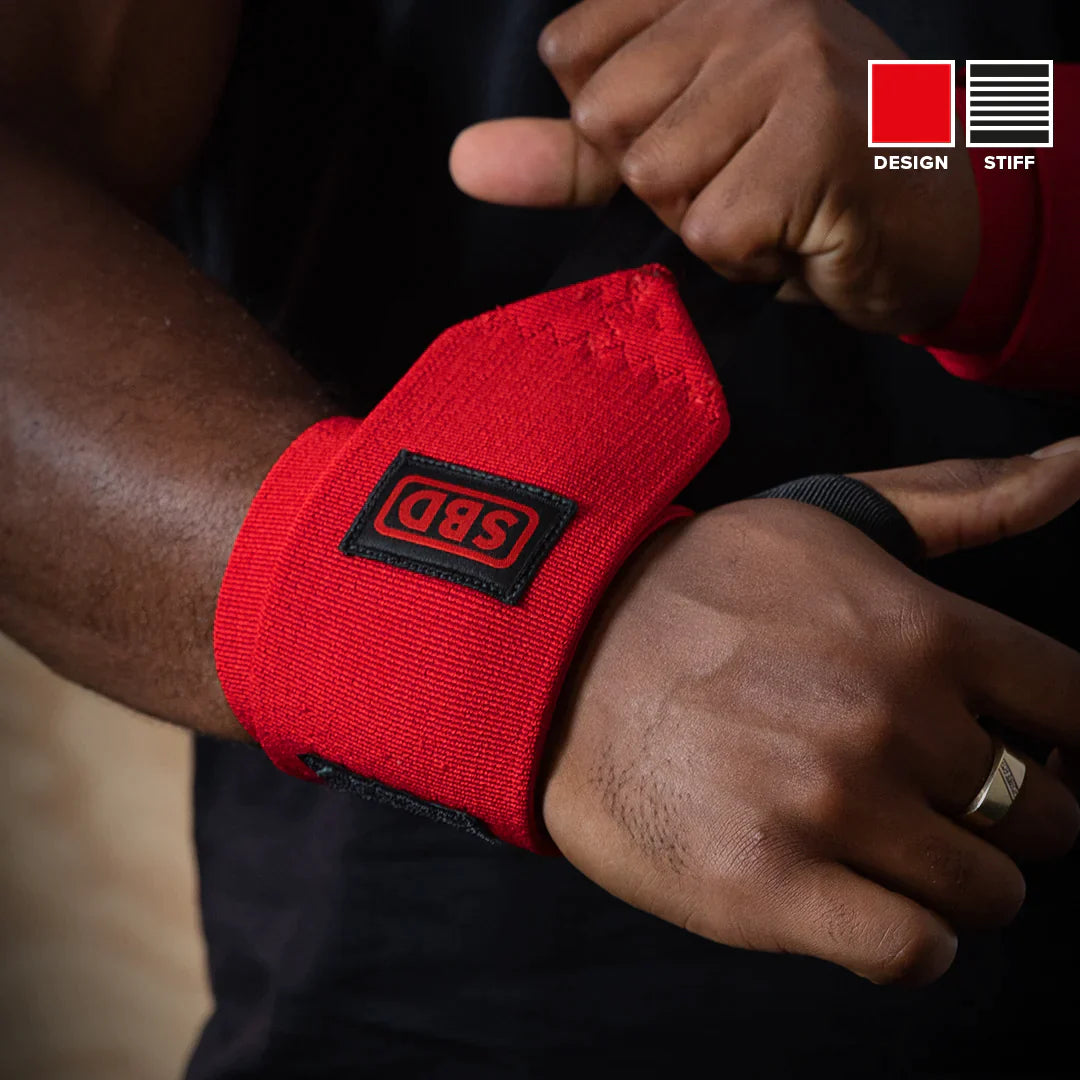
At SBD Ireland’s Weightlifting collection, lifters can find weightlifting belts, knee sleeves, wrist wraps, lifting straps and competition apparel designed for training and platform performance. For many athletes, the belt becomes the centrepiece of that setup because it supports the core during heavy pulls, squats, cleans and jerks.
Quick Answer: What Makes a Good Olympic Weightlifting Belt?
A good Olympic weightlifting belt should feel supportive around the trunk, sit securely during pulls and squats, and allow enough freedom to move into deep positions. It should help you create pressure through your brace without pinching, slipping or forcing your torso out of position during the lift.
What Does an Olympic Weightlifting Belt Actually Do?
A lifting belt gives your trunk something to brace against. When you take a breath, lock in your core and push outward into the belt, you can create a stronger, more stable midsection. This can help you stay tighter through heavy squats, pulls from the floor and the drive phase of the clean and jerk.
The belt does not lift the weight for you, and it should not replace good technique. Instead, it acts as a support tool. Used correctly, it helps you maintain position when the bar gets heavy, especially during movements where a loss of trunk tension can pull you forward or soften your receiving position.
Olympic Weightlifting Belt vs General Lifting Belt
The main difference is how much movement you need. Olympic lifting requires speed, turnover, leg drive and deep mobility. A belt that works well for a slow grind may not always feel ideal for a clean, jerk or snatch if it is too bulky or restrictive.
| Feature | Why It Matters for Olympic Weightlifting | What to Look For |
|---|---|---|
| Support | Helps you brace through cleans, heavy pulls and front squats. | A firm belt that holds shape under pressure. |
| Comfort | A belt that digs into the ribs or hips can distract from technique. | Rounded edges, a secure fit and a shape that suits your torso. |
| Mobility | You still need to move quickly under the bar and receive deep. | A belt that supports without blocking your clean or snatch positions. |
| Adjustability | You may want different tightness for squats, pulls and competition lifts. | A buckle or lever system that can be adjusted reliably. |
Why the SBD 10mm Belt Works Well for Weightlifting
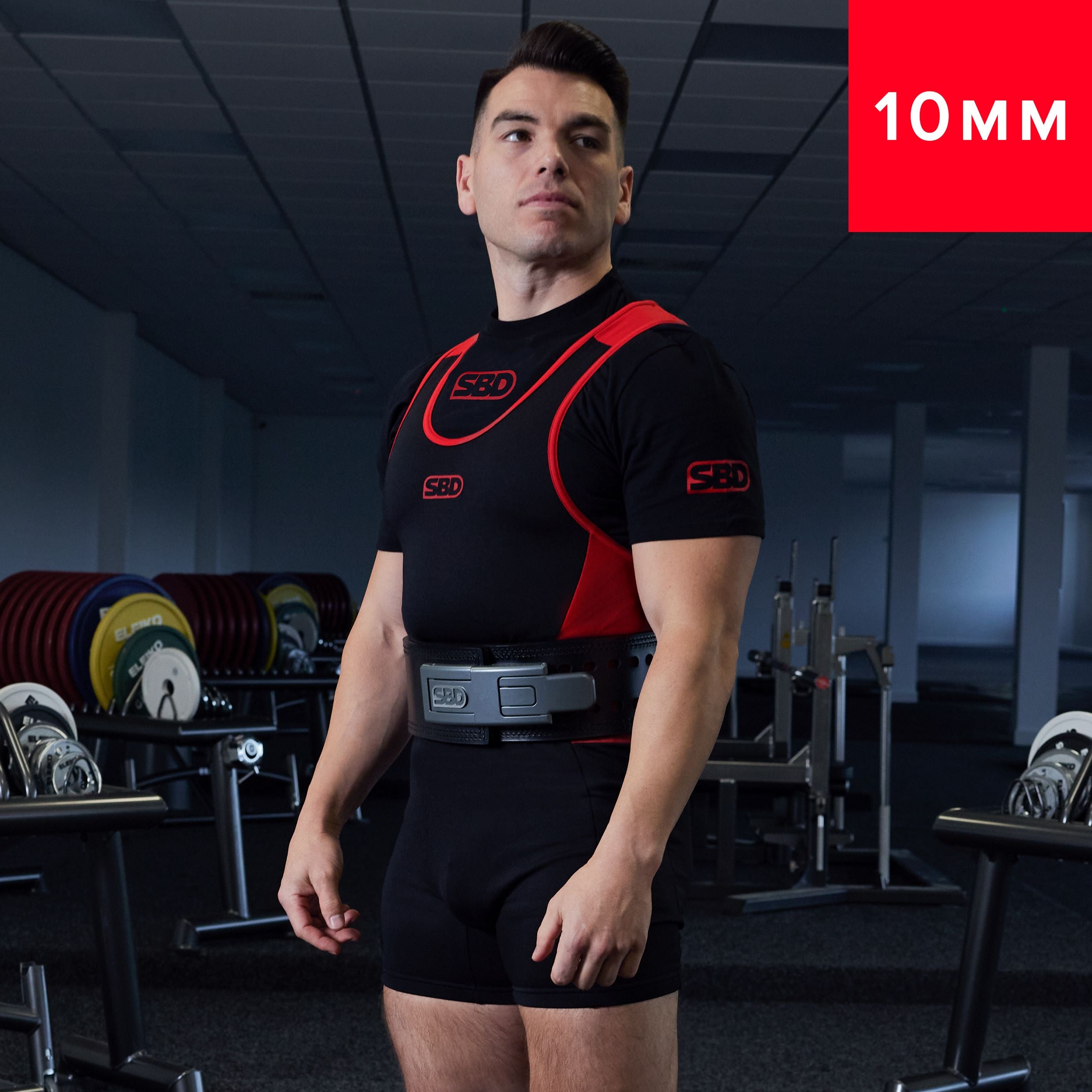
For lifters who want a serious belt that still feels practical across more than one lift, the SBD Belt 10mm is a strong option. Its 10mm thickness gives a balance of structure, comfort and versatility, making it well suited to athletes who train squats, pulls, cleans, jerks and accessory strength work in the same programme.
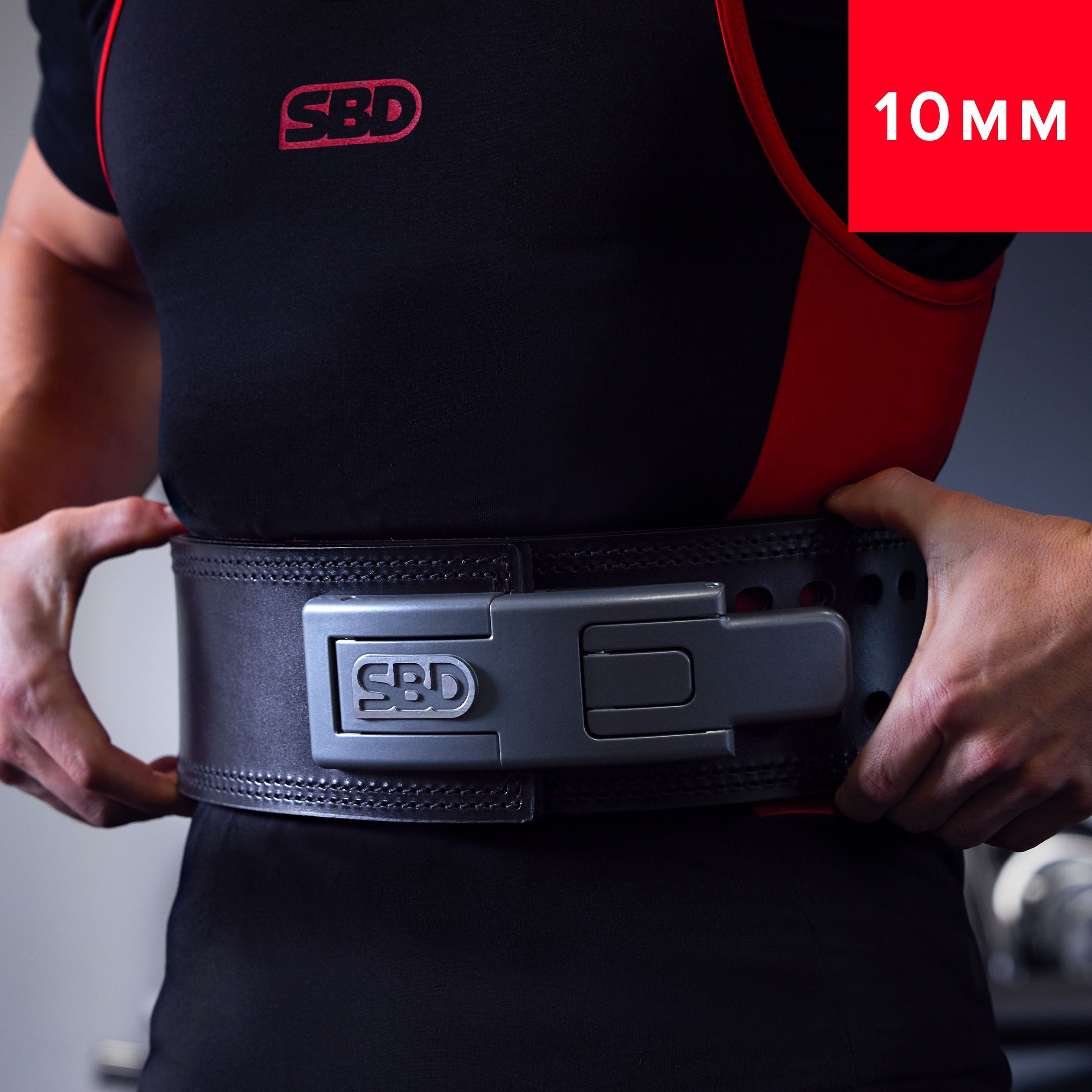
The 10mm profile can be easier to work with than a very thick, highly restrictive belt, especially for lifters who want support but still need to move quickly. It can be used for heavy squats and pulls, but it is also practical for general strength training and higher-volume sessions.
The SBD 10mm Belt also features a patented gliding lever, which gives the ease and tightness of a lever belt while allowing adjustability more commonly associated with prong belts. That can be useful if you prefer one tightness for heavy squats and another for Olympic lifting variations.
When Should You Wear a Belt for Olympic Weightlifting?
Not every set needs a belt. Many lifters benefit from building their positions and bracing without one first, then adding the belt for heavier or more demanding work. A belt should support your technique, not hide weaknesses in your setup.
| Lift or Session Type | Use a Belt? | Why |
|---|---|---|
| Technique work | Usually no | Build natural positions, timing and bracing first. |
| Heavy clean and jerk | Often yes | Supports the trunk during the pull, clean recovery and dip-drive. |
| Heavy front squats | Often yes | Helps maintain posture and core pressure under heavy load. |
| Snatch work | Personal preference | Some lifters like the support, while others prefer more freedom. |
| Pulls and strength accessories | Often yes | Useful for heavy pulls, squats and strength-focused training blocks. |
How Tight Should an Olympic Weightlifting Belt Be?
The belt should be tight enough that you can brace into it, but not so tight that you cannot breathe, set your back or move into the right positions. A good rule is that you should be able to take a strong breath, expand into the belt and keep your torso organised throughout the lift.
If the belt is so tight that you cannot reach your start position, front rack comfortably or receive the bar deep, it is probably too tight for that movement. Many lifters use slightly different tightness depending on the lift. A heavier front squat may call for a tighter setting, while a clean or snatch may feel better with a little more room to move.
Beginner Tip: Build the Full Setup, Not Just the Belt
A belt is only one part of your weightlifting gear. If you are new to the sport, start with the essentials that support your movement, consistency and confidence in training.
For a full overview, read SBD Ireland’s Beginner’s Buying Guide to Weightlifting Gear, which is a useful starting point if you are deciding what to buy first.
Belt, Knee Sleeves and Costume: How They Work Together
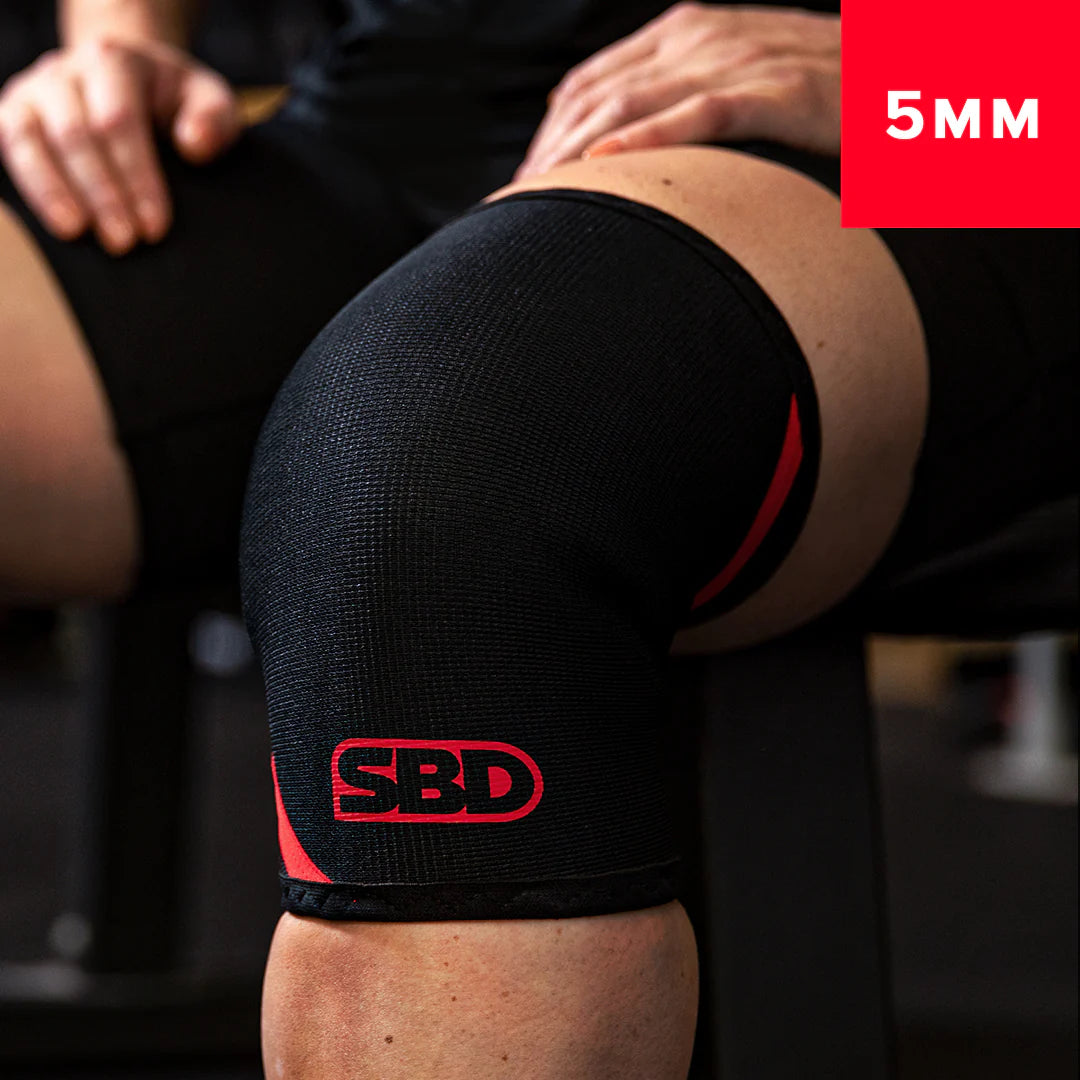
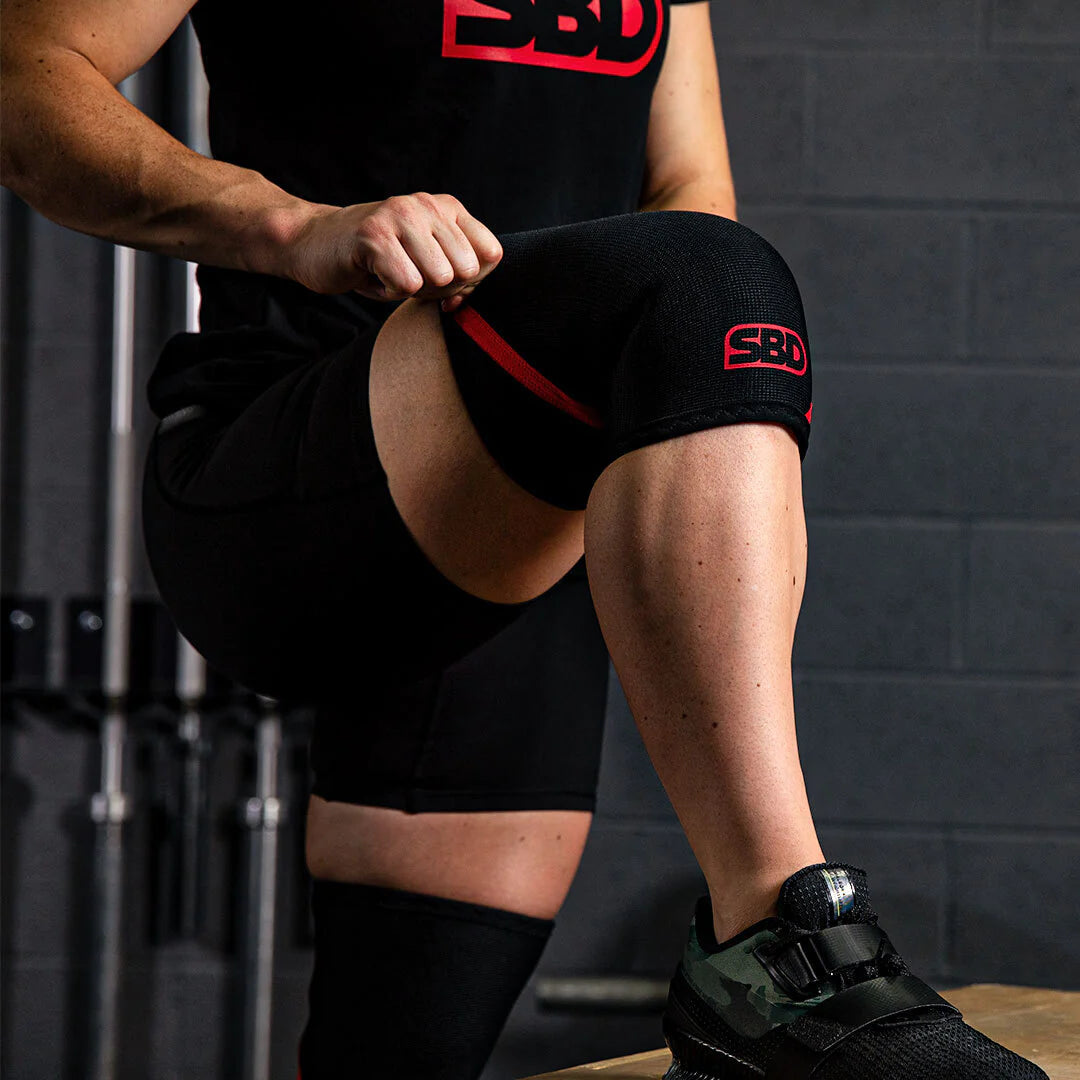
The right Olympic weightlifting belt supports your trunk, but the rest of your gear also matters. Knee sleeves can help with warmth, compression and confidence during squats, pulls and receiving positions. For dynamic lifting, 5mm knee sleeves are often a practical choice because they offer support while still allowing freedom of movement.
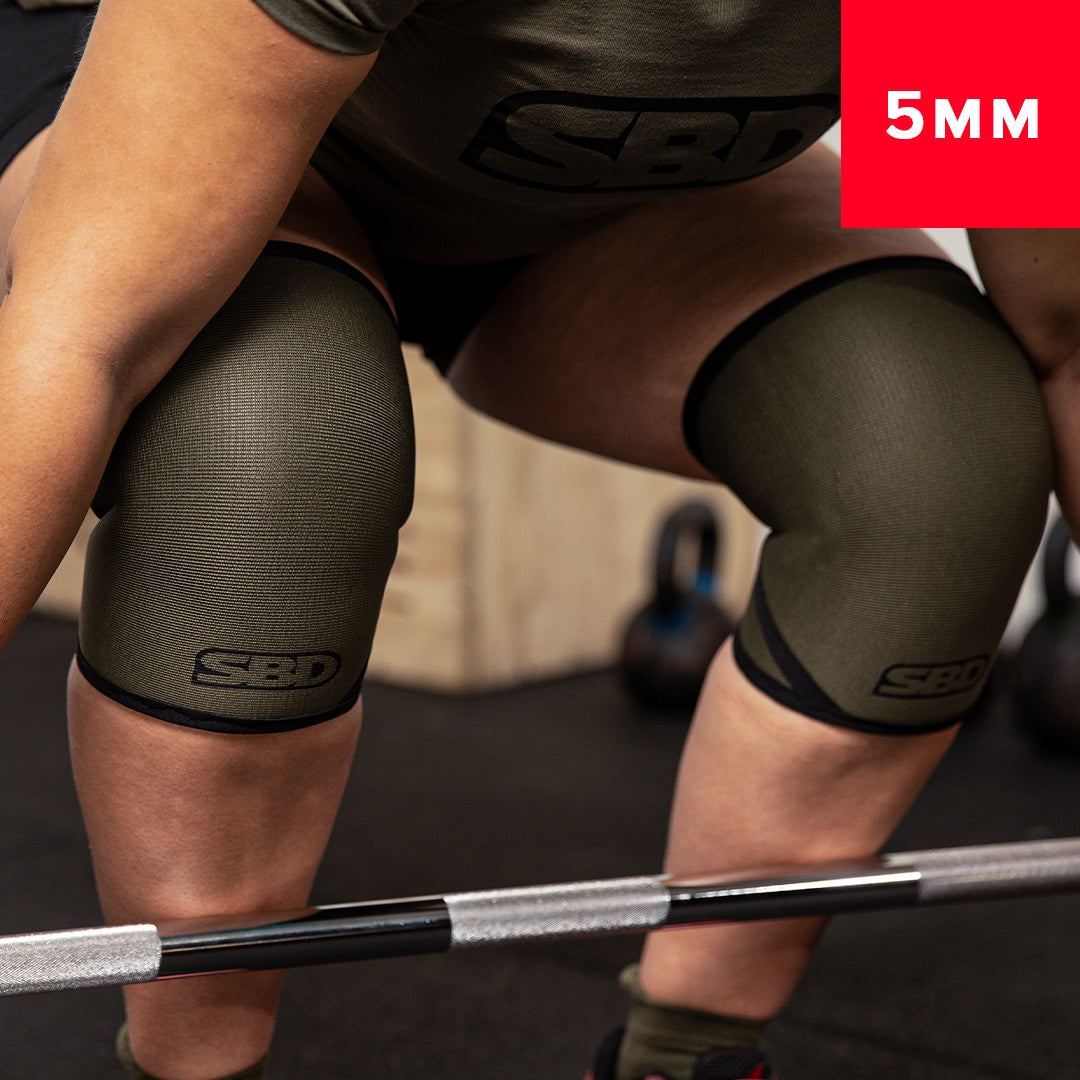
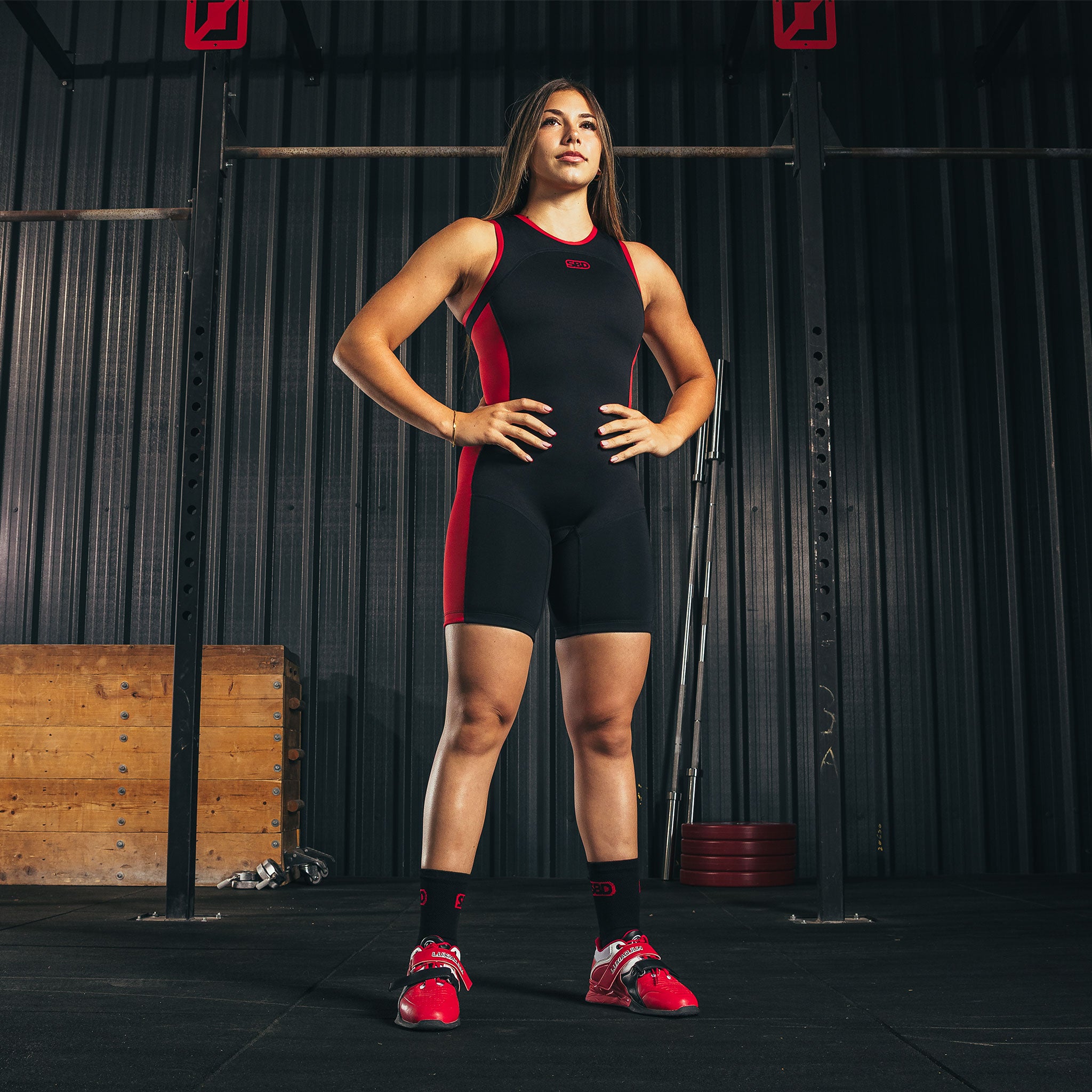
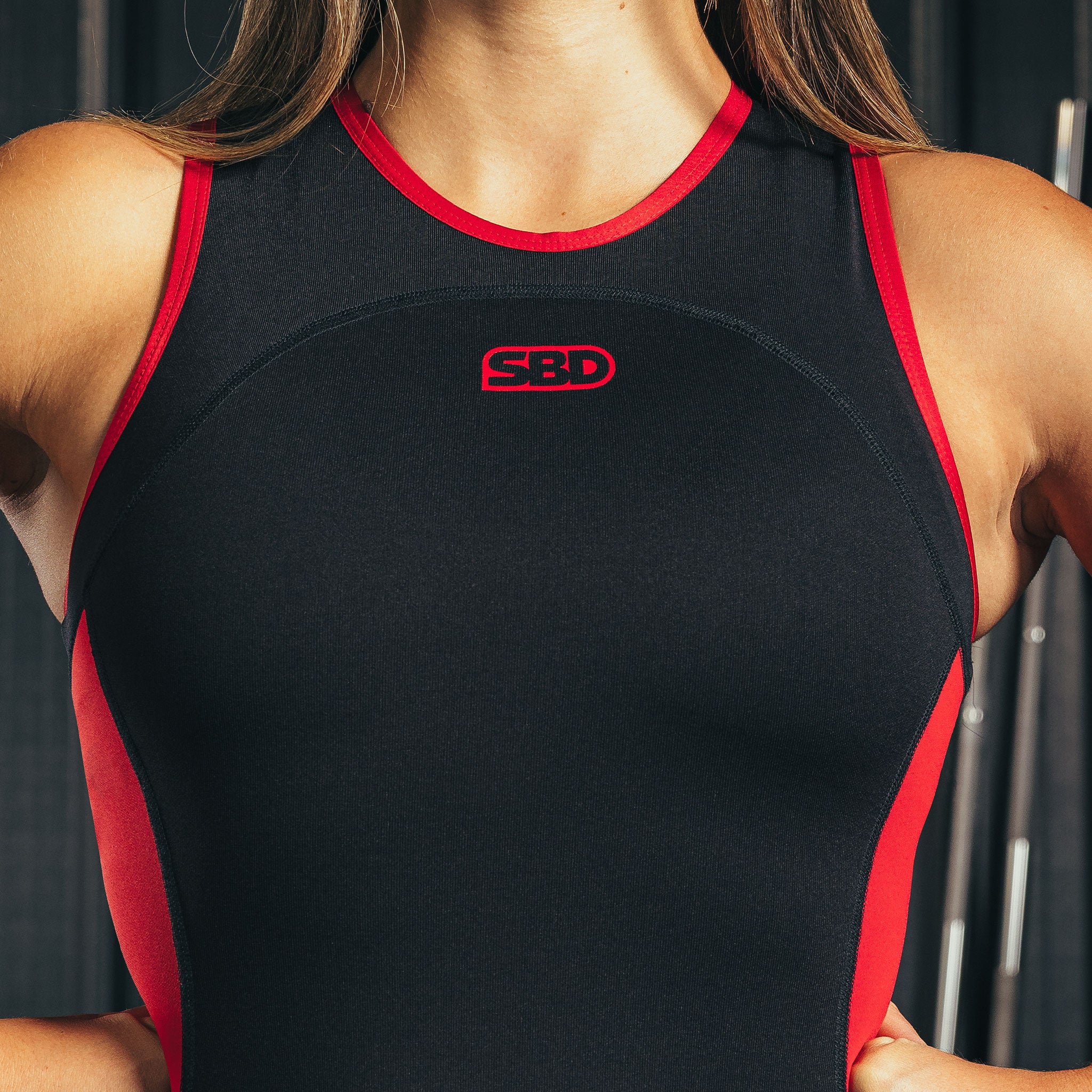
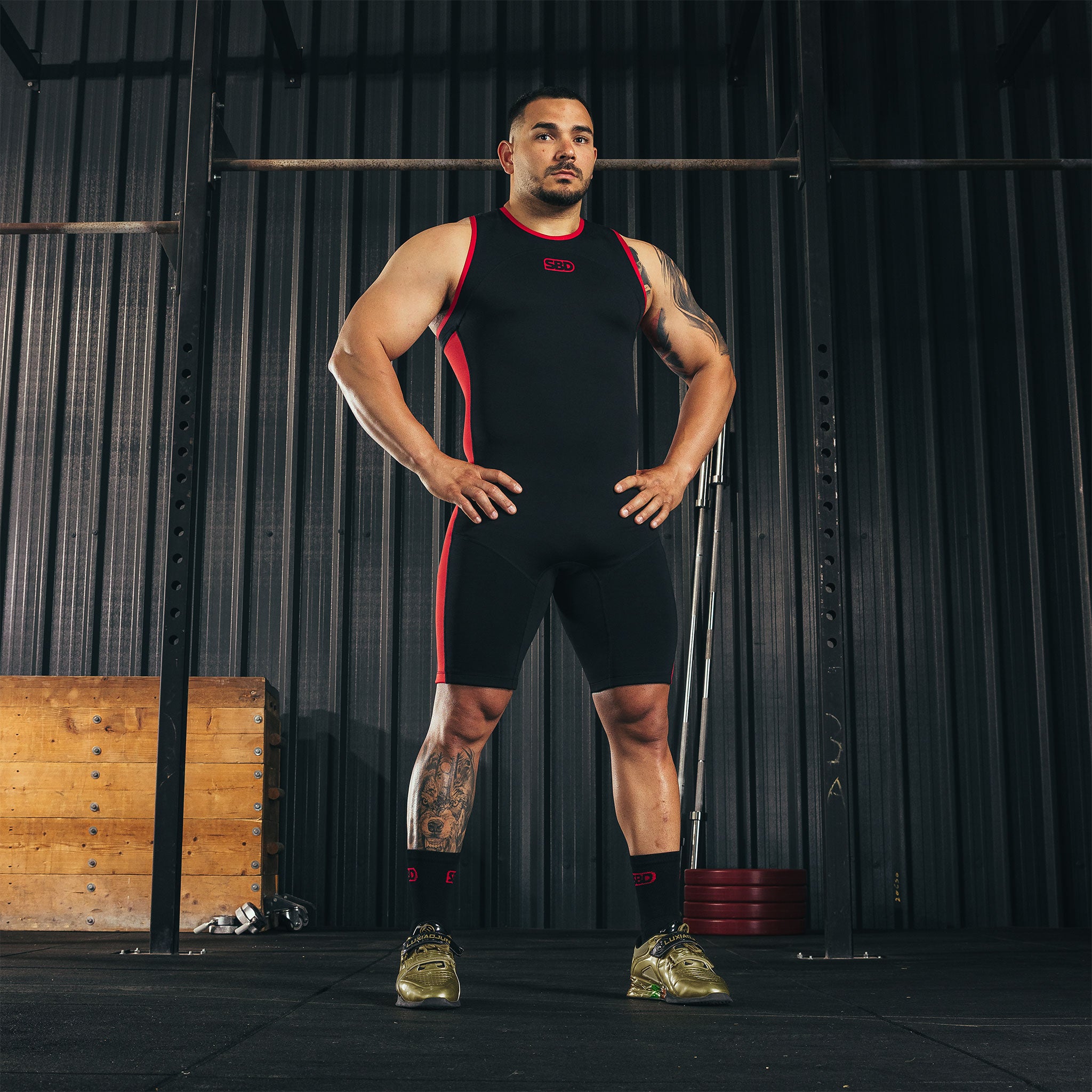
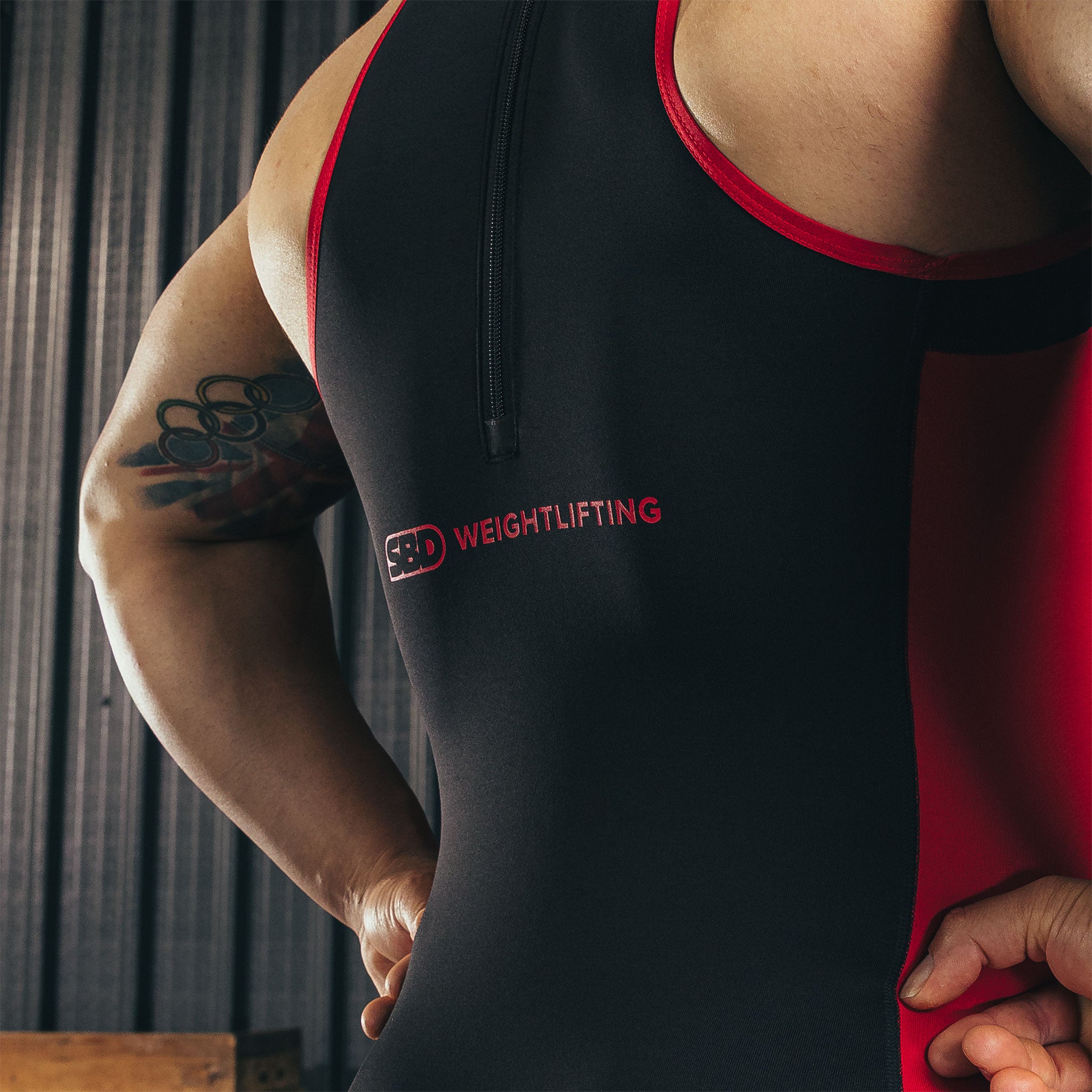
For competition, apparel matters too. The SBD Weightlifting Costume has been developed specifically for weightlifting and is built for performance on the platform. A belt, knee sleeves and weightlifting costume should all work together without interfering with your pull, catch, squat or overhead positions.
Common Mistakes When Choosing an Olympic Weightlifting Belt
1. Choosing the stiffest belt possible
A very stiff belt can feel strong, but it may not be the best choice if it limits your clean, snatch or jerk positions. Weightlifting requires both support and movement.
2. Wearing the belt too tight
If you cannot breathe and brace properly, the belt is not helping. You should be able to expand into it and stay controlled through the full lift.
3. Using a belt before learning to brace
A belt should enhance your brace, not replace it. Spend time learning how to breathe, brace and maintain trunk tension without relying on equipment for every warm-up set.
4. Ignoring sizing
Do not use your trouser waist size as your belt size. Measure where the belt will actually sit during lifting, usually around the waist just above the navel, while bracing.
Recommended SBD Ireland Weightlifting Gear
Use the links below to build a complete training setup around your Olympic weightlifting belt.
SBD Belt 10mm
Supportive, versatile and suitable for lifters who want one belt for strength work and weightlifting-focused training.
Weightlifting Apparel
Explore belts, knee sleeves, wrist wraps, lifting straps and competition apparel for weightlifting.
5mm Knee Sleeves
A practical choice for dynamic lifting where you want compression, warmth and freedom of movement.
Weightlifting Costume
Competition-focused apparel designed specifically for the demands of Olympic weightlifting.
FAQ: Olympic Weightlifting Belt
Do I need a belt for Olympic weightlifting?
You do not need a belt for every lift, especially when learning technique. As weights get heavier, a belt can help support your brace during cleans, jerks, squats and pulls.
Is a 10mm belt good for Olympic weightlifting?
Yes, a 10mm belt can be a good choice for lifters who want a balance of support and comfort. It can provide structure for heavy work while feeling less restrictive than thicker belt options.
Should I wear a belt for snatch?
It depends on personal preference. Some lifters like the extra trunk support, while others prefer more freedom through the pull and receiving position. Test it in training before using it in competition.
How tight should my belt be for clean and jerk?
It should be tight enough to brace into, but not so tight that it limits breathing, the front rack, the dip-drive or the receiving position.
What should beginners buy first?
Start with the gear that supports your training most consistently. For many beginners, that means a reliable belt, suitable knee sleeves and comfortable weightlifting apparel. The beginner’s weightlifting gear guide is a good place to compare essentials.
Final Thoughts
An Olympic weightlifting belt should help you lift with more confidence, not make your lifts feel slower or more restricted. Choose a belt that lets you brace hard, move well and stay consistent across squats, pulls, cleans and jerks.
For lifters who want a reliable balance of support and versatility, the SBD 10mm Belt is a strong place to start. Pair it with the right 5mm knee sleeves and weightlifting apparel from the SBD Ireland Weightlifting range to build a setup that supports both training and competition.