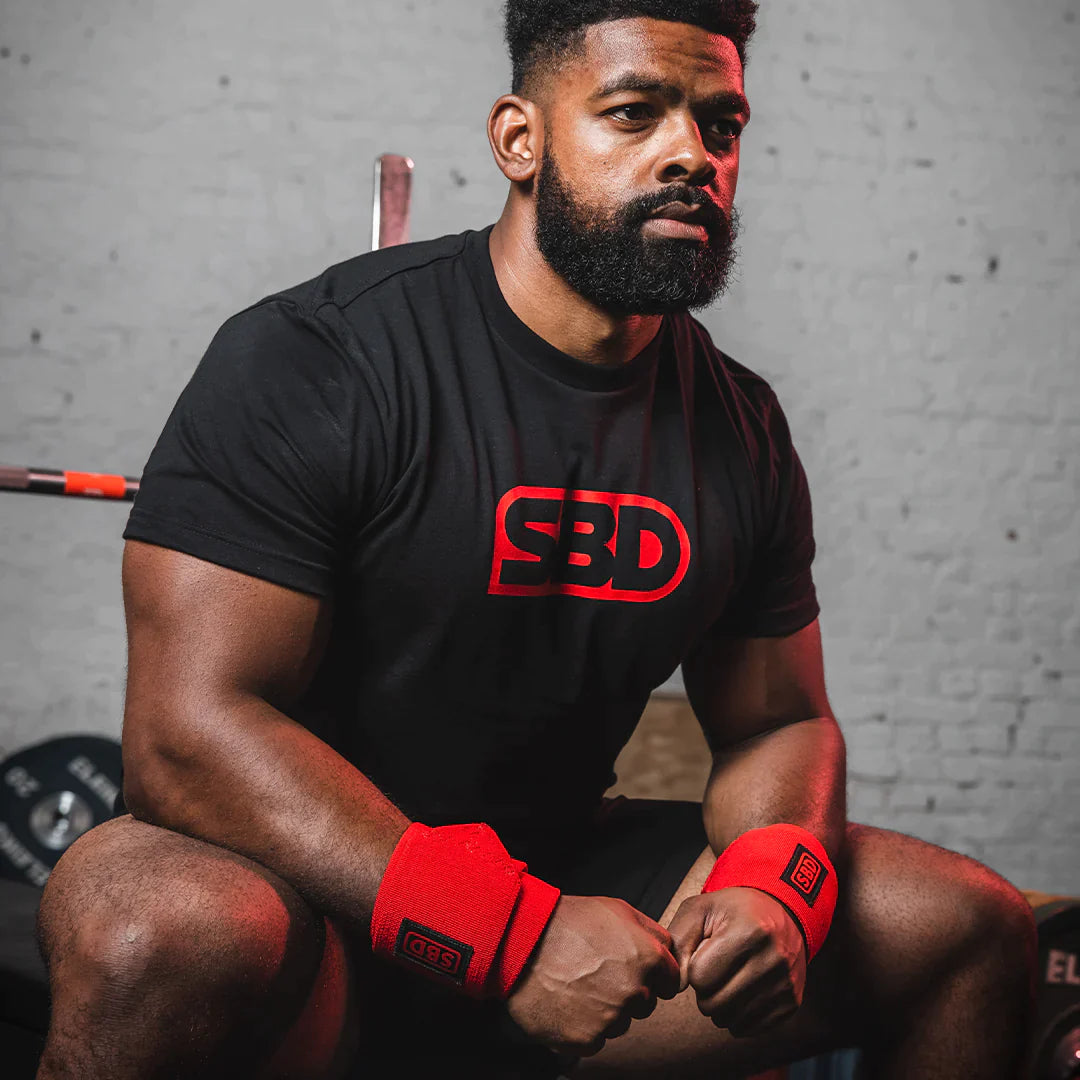


Cool weightlifting belts are not just about how they look. The best belts combine strong support, a secure fit, reliable construction and a design that gives you confidence every time you step up to the bar.
Whether you are training Olympic lifts, squats, pulls or general strength work, the right belt should help you brace properly without getting in the way of your movement. If you want a belt that feels serious, looks sharp and supports your training goals, the SBD Belt 10mm is a strong place to start.
What Makes a Weightlifting Belt Cool?
A cool weightlifting belt should do more than complete your gym outfit. It should give you confidence under the bar, feel secure during heavy lifts and suit the way you train. A belt can look great, but if it digs in, slips, feels awkward or limits your movement, it is not the right belt for your sessions.
The best belts combine appearance and performance. They look clean, feel durable and help you brace consistently across your main lifts. For weightlifters, this balance is especially important because your belt needs to support your trunk while still allowing speed, timing and position.
| Feature | Why It Matters | What to Look For |
|---|---|---|
| Support | Helps you brace harder during heavy lifts | A firm belt that keeps its shape under pressure |
| Fit | A better fit means better comfort and consistency | A belt that sits securely without digging into your ribs or hips |
| Design | A sharp-looking belt can boost confidence in training | Clean colours, strong materials and a professional finish |
| Adjustability | Different lifts may need different tightness | A system that lets you adjust the belt when needed |
| Versatility | Useful if you train more than one style of lifting | A belt that works for squats, pulls and weightlifting-focused training |
Why Cool Weightlifting Belts Need to Perform First
It is easy to choose a belt based on appearance alone, but performance should always come first. A proper weightlifting belt gives your core something to brace against. When you breathe in, brace and push out into the belt, you can create a stronger and more stable lifting position.
This can be useful for heavy squats, pulls, cleans, jerks and accessory strength work. A good belt should help you stay tighter through the lift without forcing you out of position. That is what separates a good-looking belt from a belt that genuinely supports your training.
The SBD 10mm Belt: A Cool Belt With Serious Support
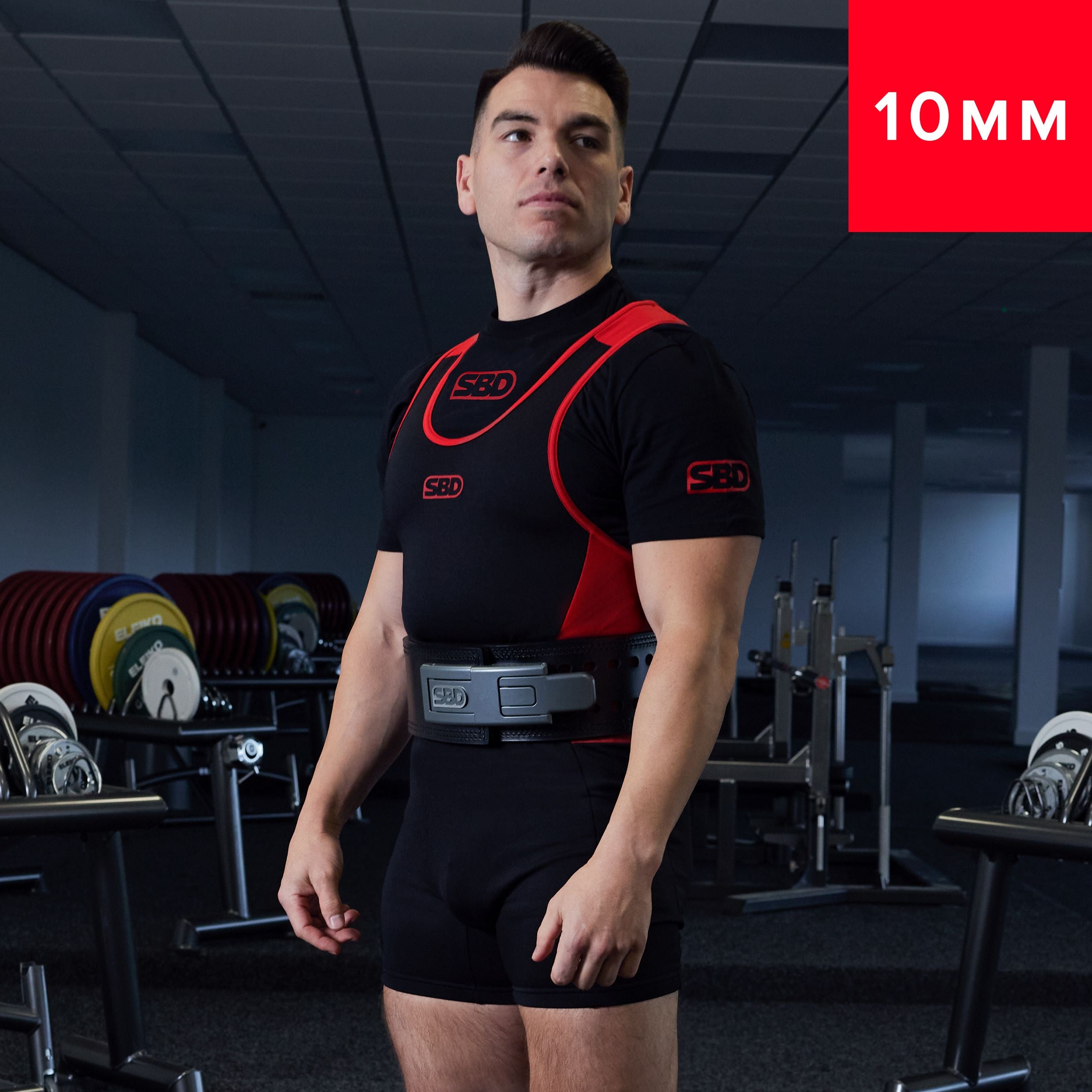
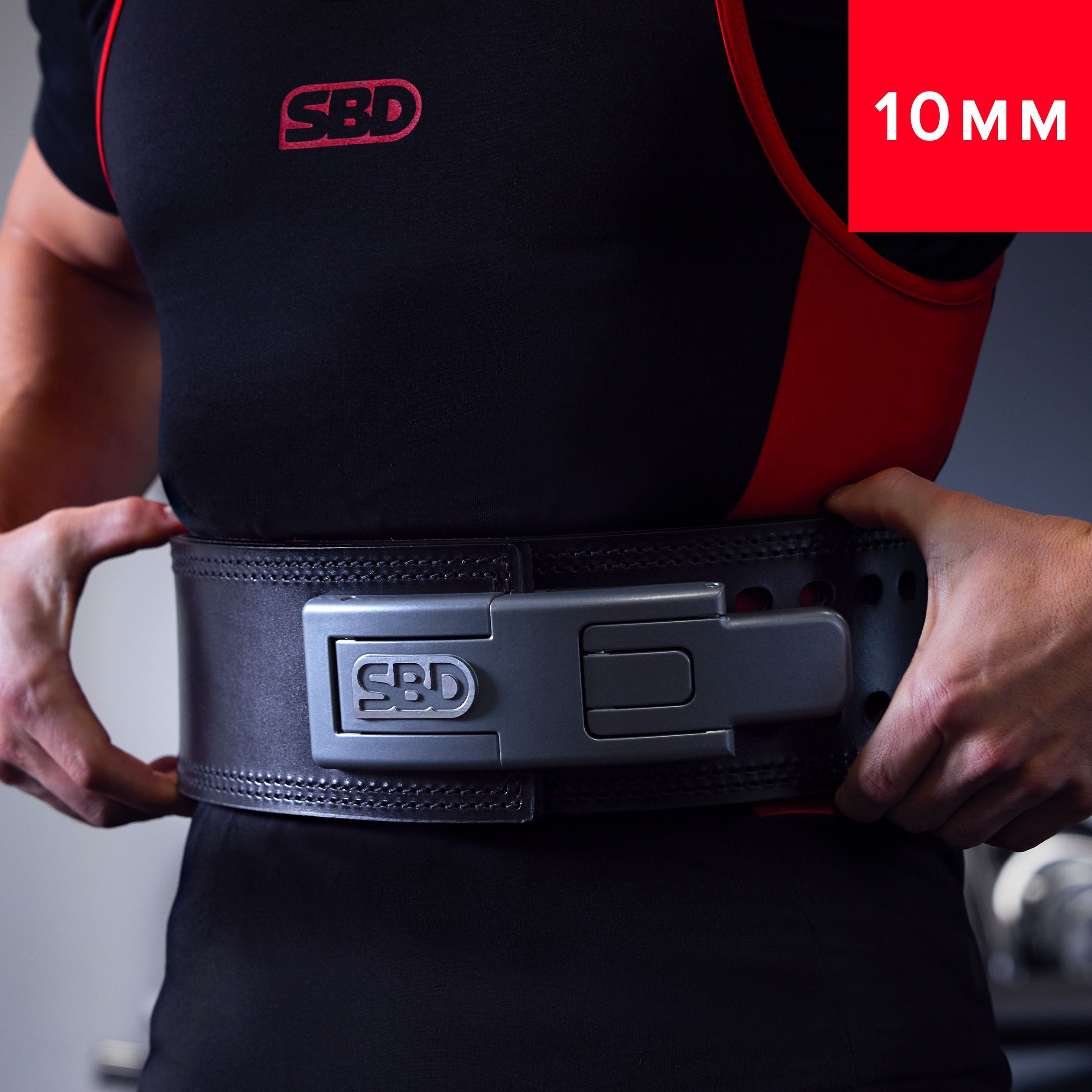
The SBD Belt 10mm is a strong choice for lifters who want a belt that looks professional and performs well across different types of training. Its black oiled leather finish and red suede interior give it a clean SBD look, while the 10mm thickness offers a balance between support and comfort.
One of the standout features is the patented gliding lever. This gives you the adjustability of a prong belt with the ease and tightness of a lever belt, making it useful when you want to change tightness between lifts, sessions or competition attempts.
The belt is also designed with a low-profile buckle, rounded edges and rounded corners to help reduce discomfort from contact between the belt and the body. For lifters who want support without an overly bulky feel, that can make a big difference during training.
10mm vs Thicker Belts: Which Looks and Feels Better?
A thicker belt can feel extremely rigid, but that does not always make it the best option for every lifter. If your training includes weightlifting, higher-volume sessions, pulls, squats and general strength work, a 10mm belt can be a more versatile choice.
The SBD 10mm Belt is designed to offer strong support while still being comfortable enough for repeated use. This makes it a good option if you want one belt that can handle demanding sessions without feeling too restrictive.
| Belt Type | Best For | Why You Might Choose It |
|---|---|---|
| 10mm belt | General strength training, weightlifting, squats and pulls | Supportive, comfortable and versatile for regular training |
| Very stiff belt | Heavy maximal strength work | Offers a very firm bracing surface but may feel more restrictive |
| Soft beginner belt | Light training or very new lifters | May feel comfortable, but may not offer enough support as lifts progress |
Cool Weightlifting Belts for Olympic Lifting
In Olympic weightlifting, your belt needs to support your brace without slowing you down. You still need to move quickly, receive the bar properly and stay comfortable in deep positions. That is why many lifters prefer a belt that balances support with freedom of movement.
If your training includes cleans, jerks, front squats, pulls and accessory strength work, explore the full SBD Ireland Weightlifting range. It includes weightlifting costumes, lifting belts, wrist wraps and knee sleeves designed to support lifters in training and competition.

How to Choose a Cool Weightlifting Belt That Suits Your Training
The right belt depends on how you train, how heavy you lift and how much movement you need. A belt for Olympic weightlifting may feel different from a belt chosen purely for maximal powerlifting attempts. The goal is to find a belt that gives you support without making your lifts feel awkward.
1. Choose a belt that supports your brace
The belt should give you something solid to push against. It should not simply feel tight. You should be able to breathe, brace and hold tension through the lift.
2. Make sure it suits your lifts
If you train squats, pulls, cleans and jerks, choose a belt that works across all of those movements. A belt that feels great for one lift but awkward for another may not be the best all-round option.
3. Think about comfort during longer sessions
A cool belt should still feel wearable during training. Rounded edges, a secure fit and a balanced thickness can help the belt feel better through repeated sets.
4. Choose a design you actually want to wear
Confidence matters. A sharp-looking belt can make your kit feel more complete and help you feel prepared for heavy work.
How Tight Should a Weightlifting Belt Be?
Your belt should be tight enough to brace into, but not so tight that you cannot breathe or get into position. If the belt forces you to cut your breath short, round your back or miss your front rack, it is too tight for that lift.
Many lifters use slightly different tightness depending on the movement. For example, you might prefer a tighter setting for heavy squats and a slightly more comfortable setting for cleans or higher-volume work.
| Lift | Belt Tightness | Why |
|---|---|---|
| Back squat | Firm | Helps create a strong brace under heavy load |
| Front squat | Firm but comfortable | Supports posture without blocking the front rack |
| Clean and jerk | Supportive but not restrictive | Allows movement through the pull, catch and dip-drive |
| Technique work | Usually lighter or no belt | Lets you focus on positions and natural bracing |
Match Your Belt With the Right Weightlifting Gear
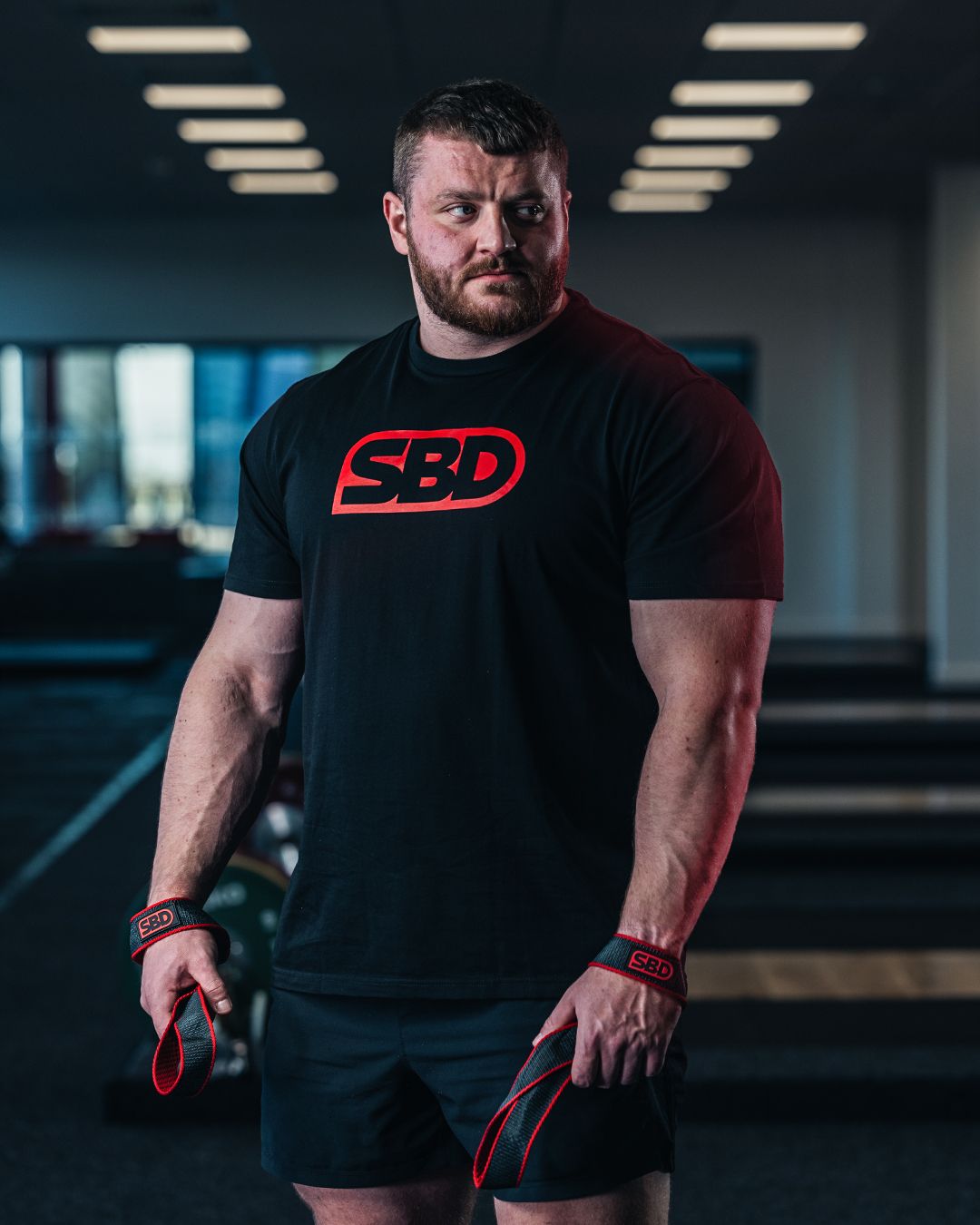
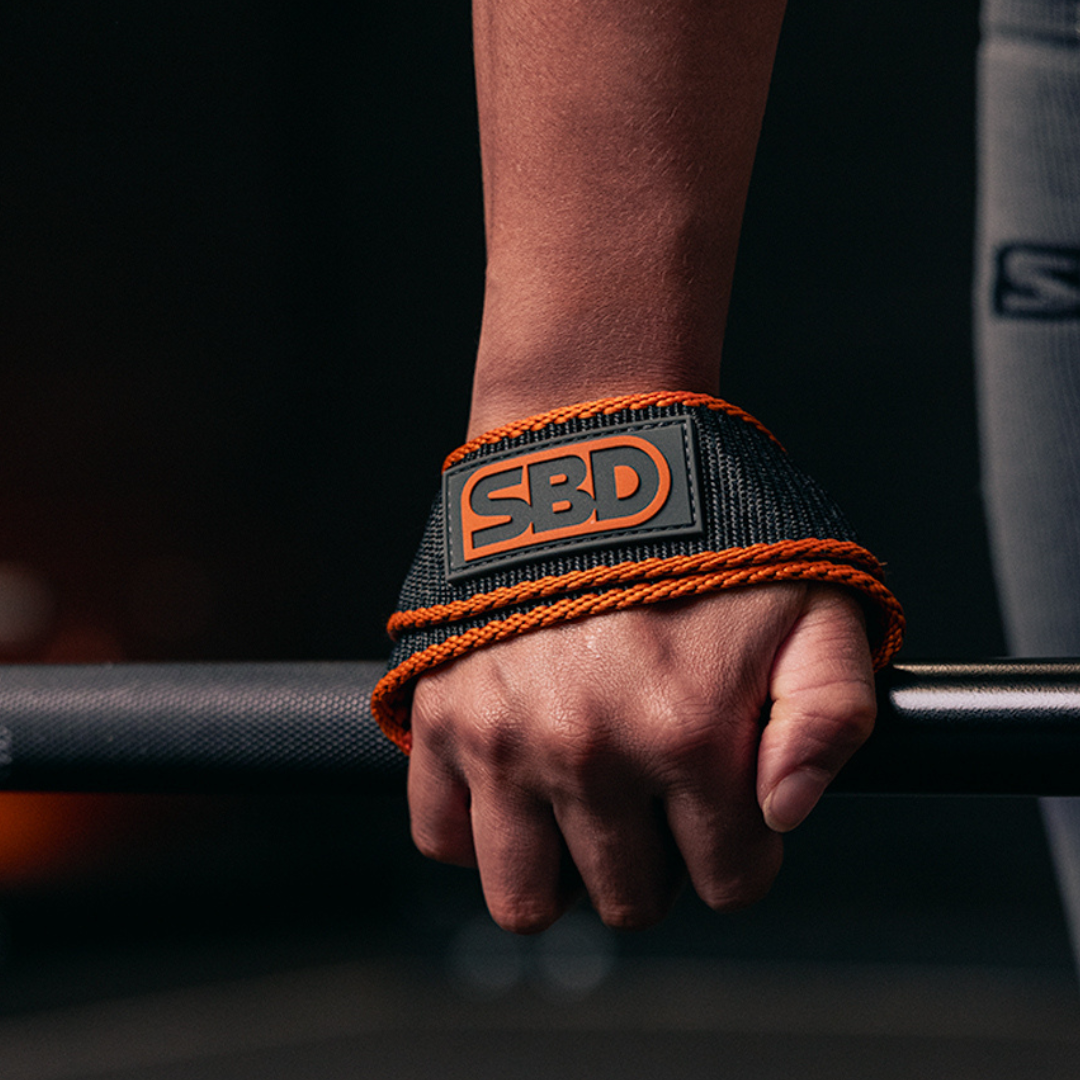
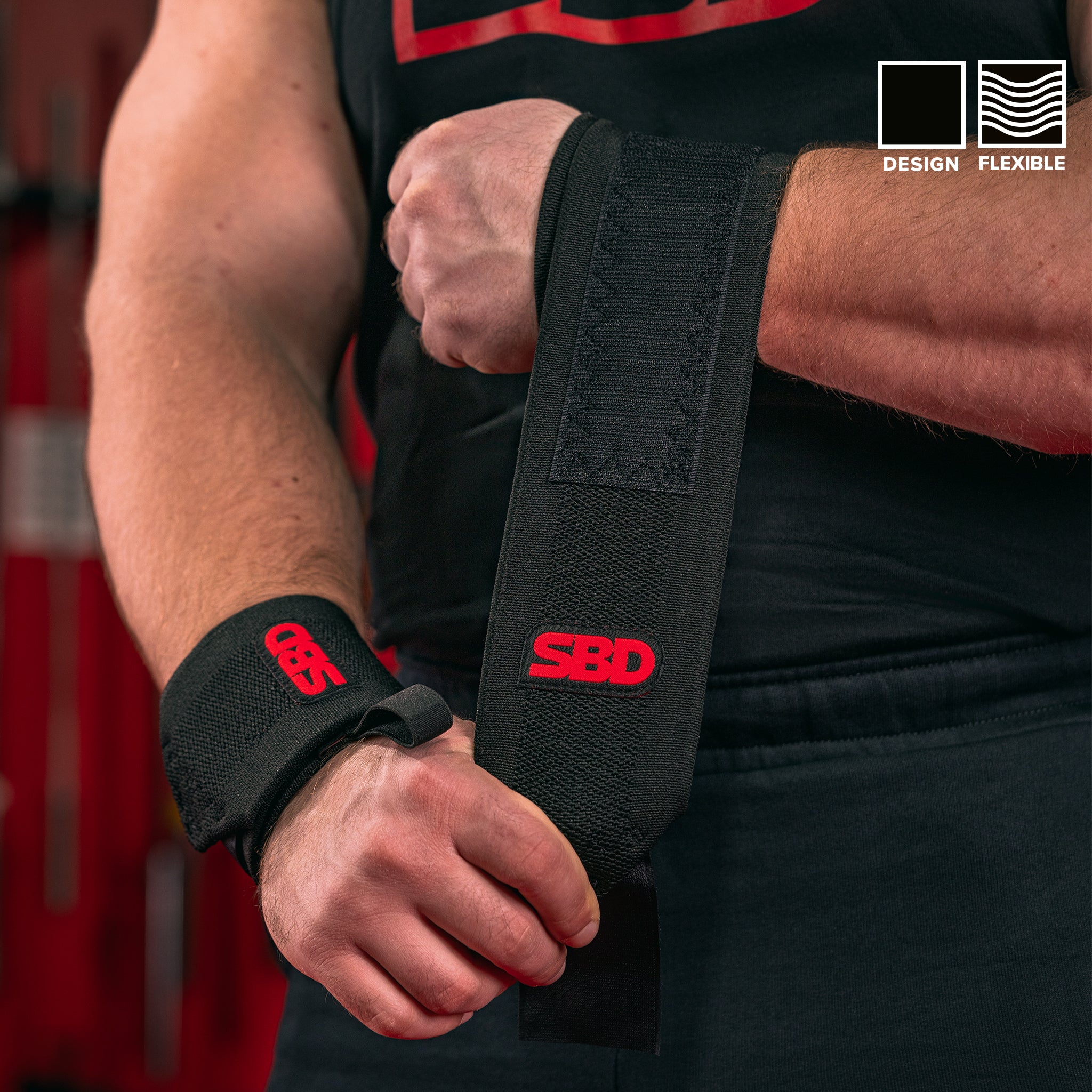
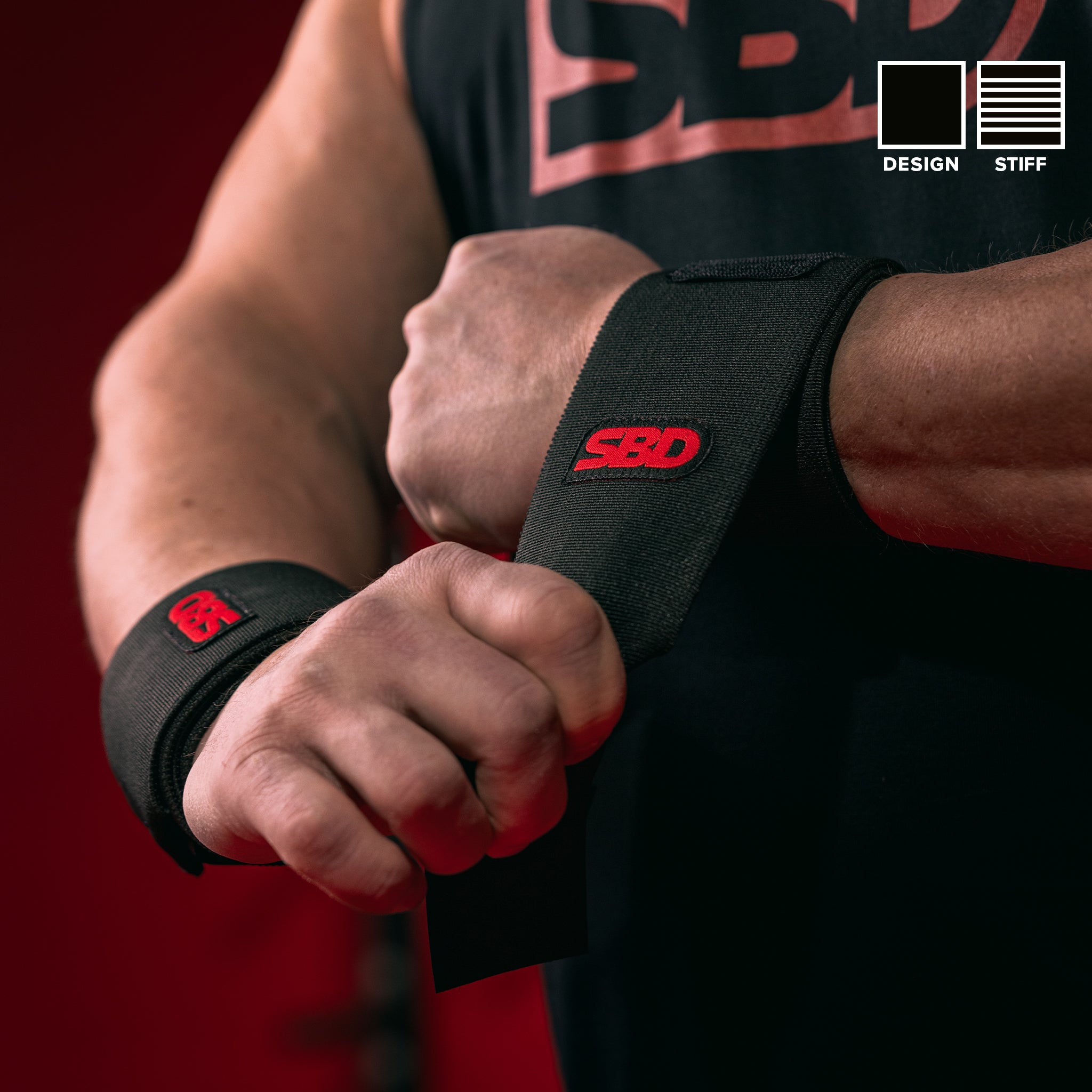
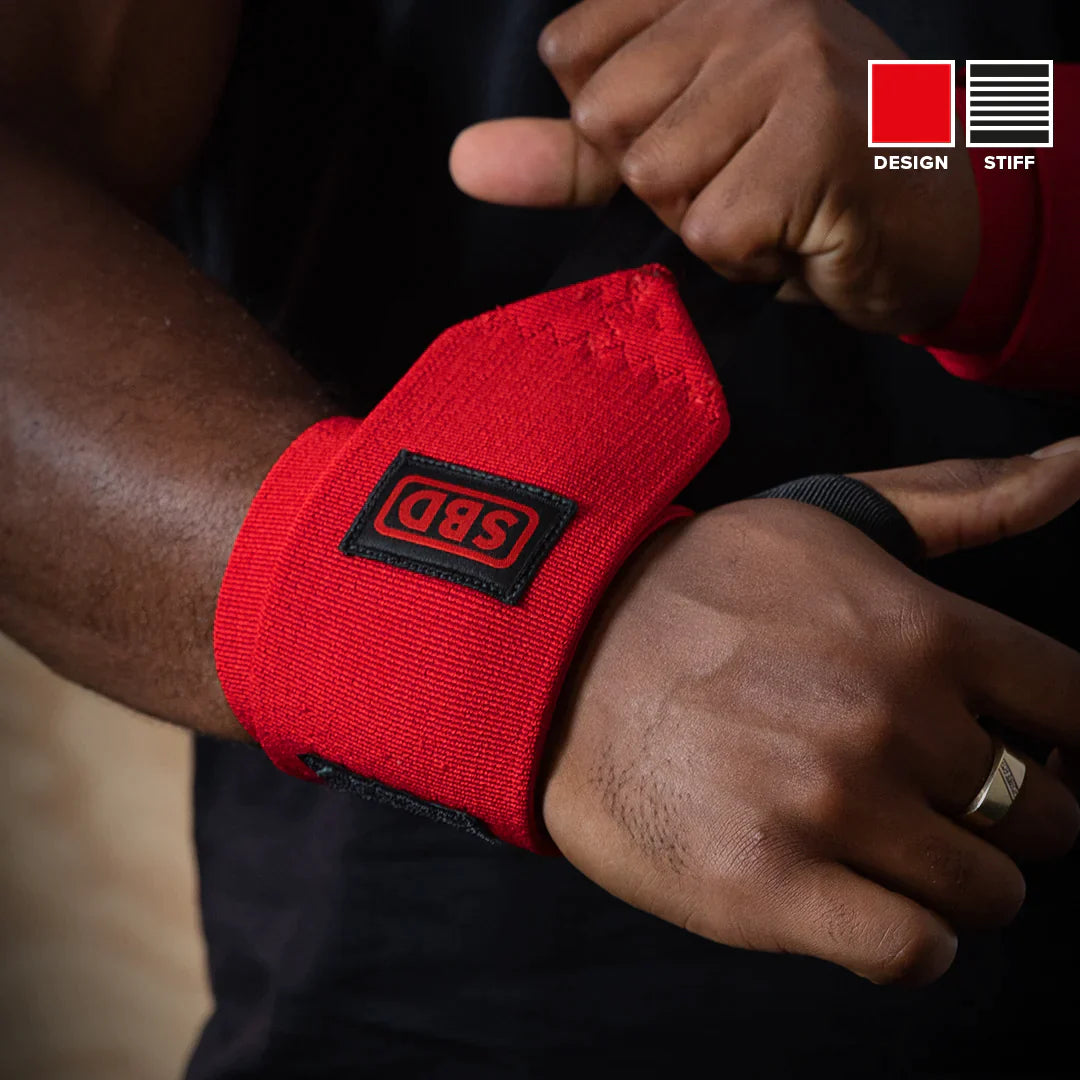
A belt is one of the most important pieces of lifting kit, but it works best as part of a complete training setup. If you want your gear to look good and perform well together, think about the full combination of belt, knee sleeves, wrist wraps, lifting straps and weightlifting apparel.
5mm Knee Sleeves
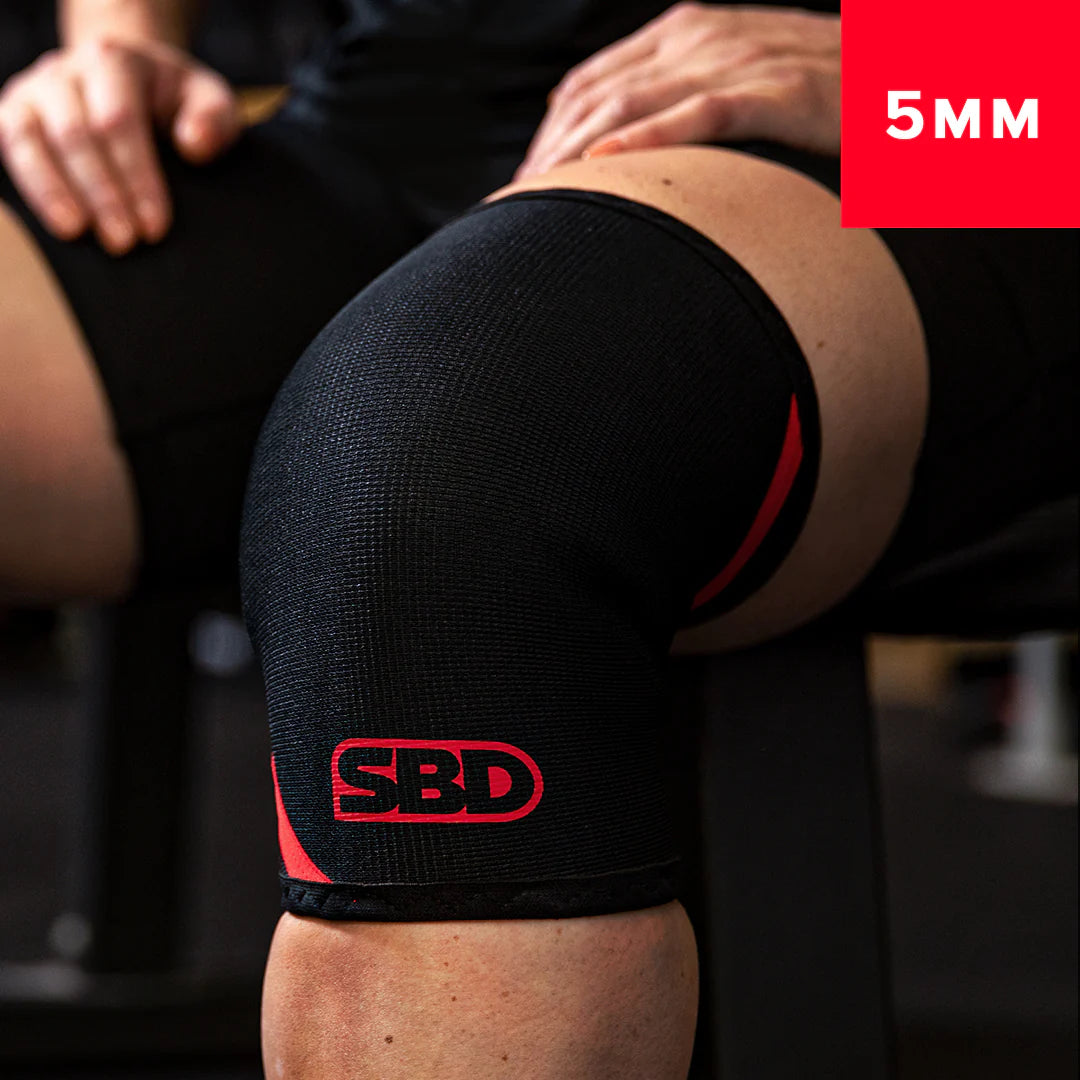
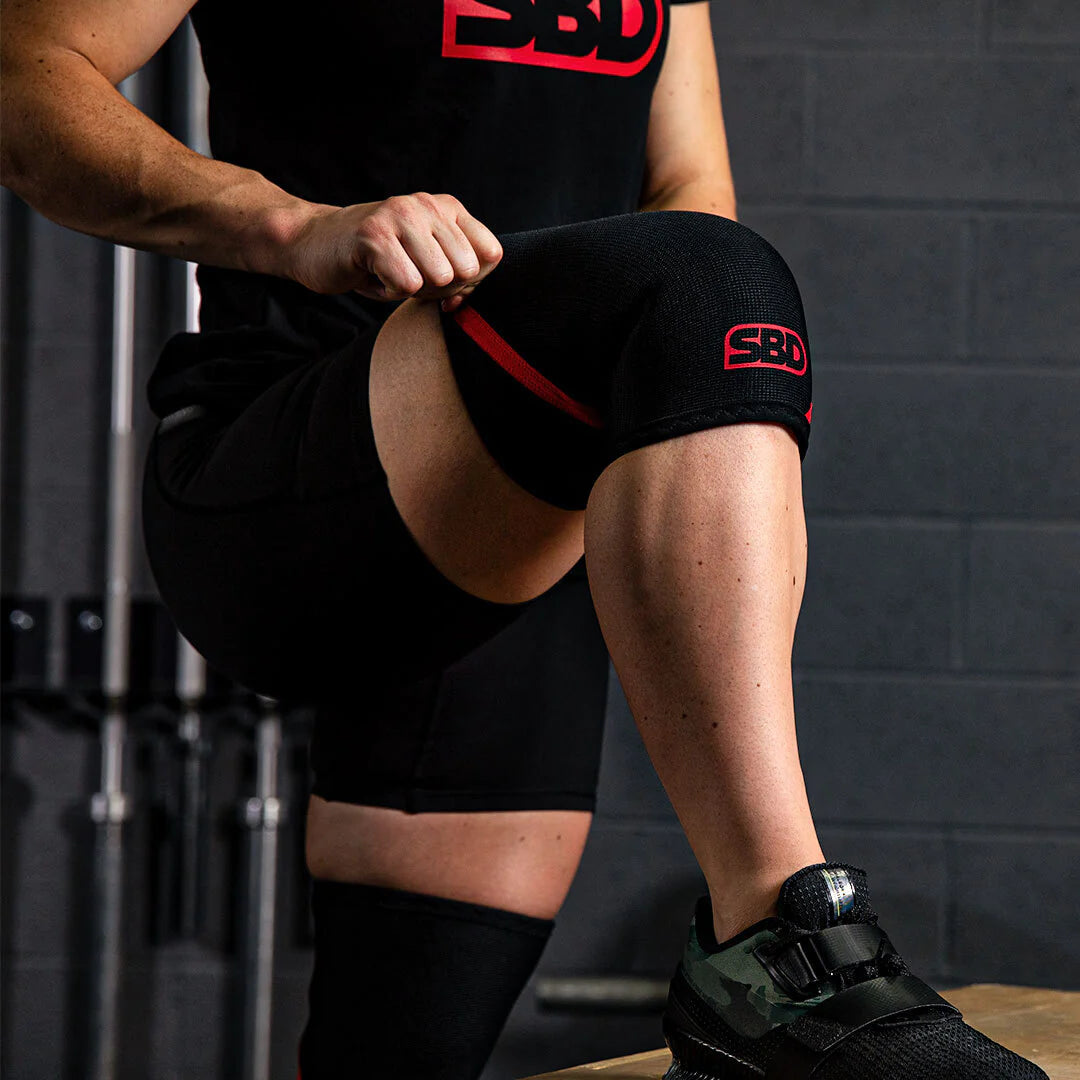
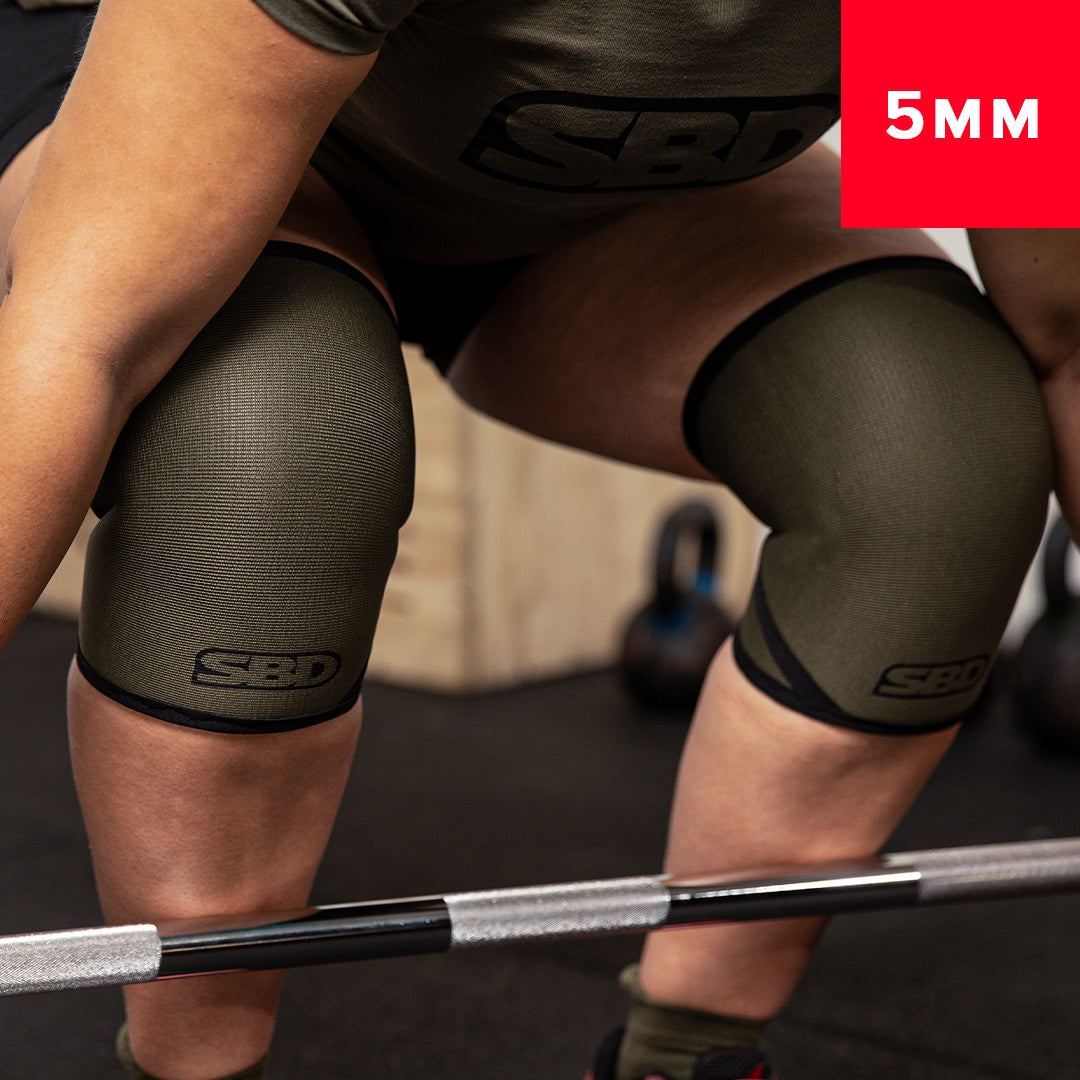
SBD 5mm Knee Sleeves are designed for fitness and weightlifting, offering a balance between extra support and free movement. They are a practical match for lifters who want knee warmth, compression and confidence without making dynamic lifts feel restricted.
Weightlifting Costume
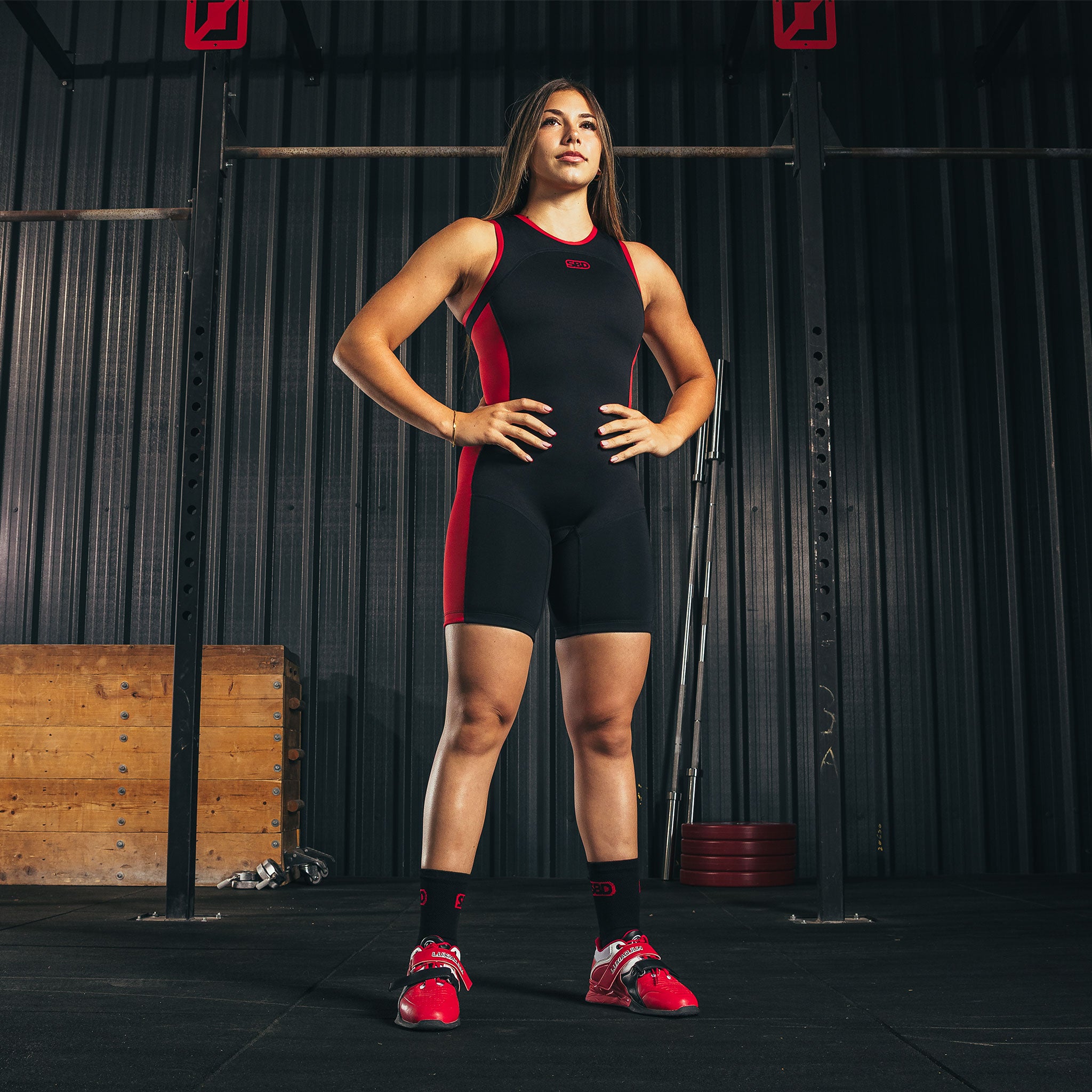
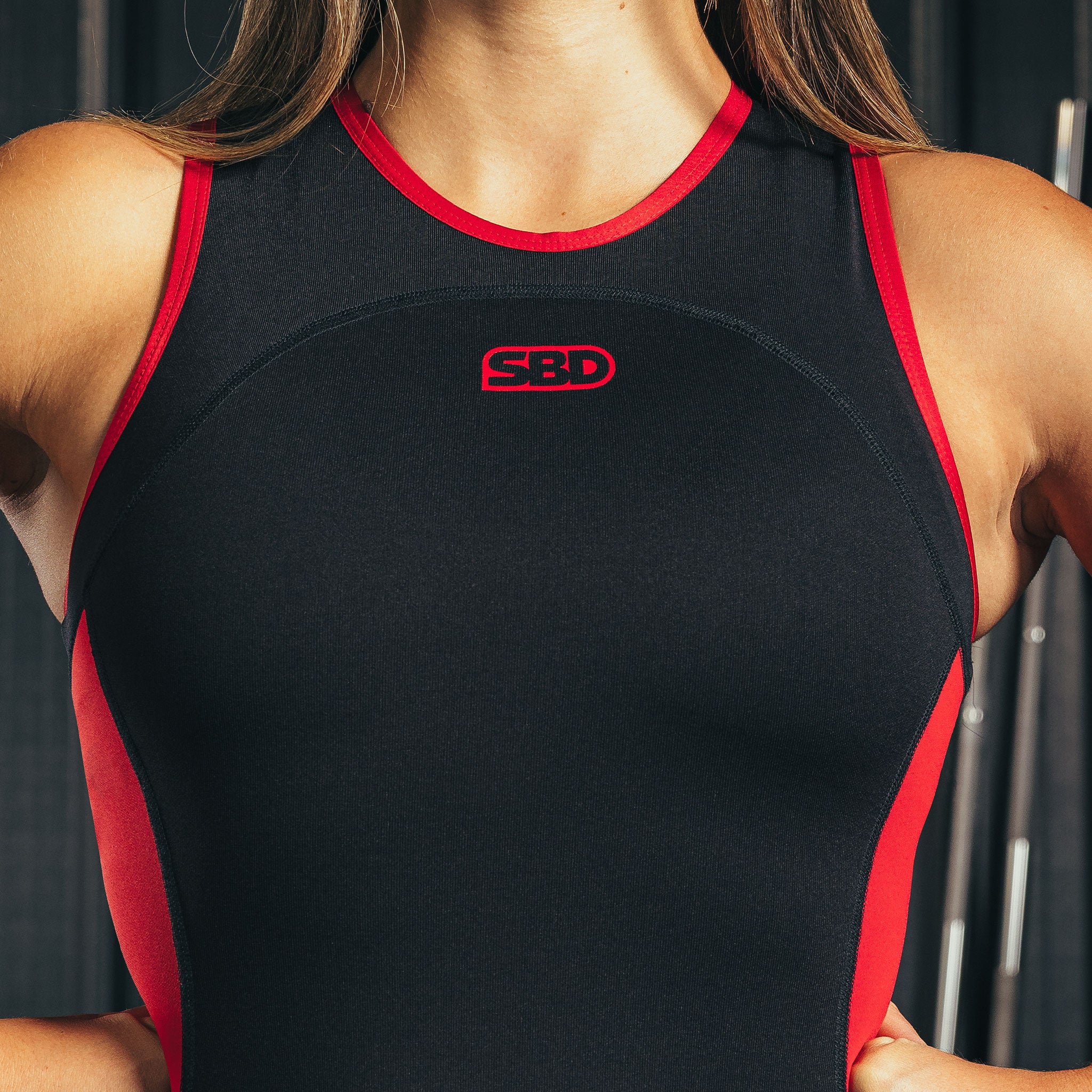
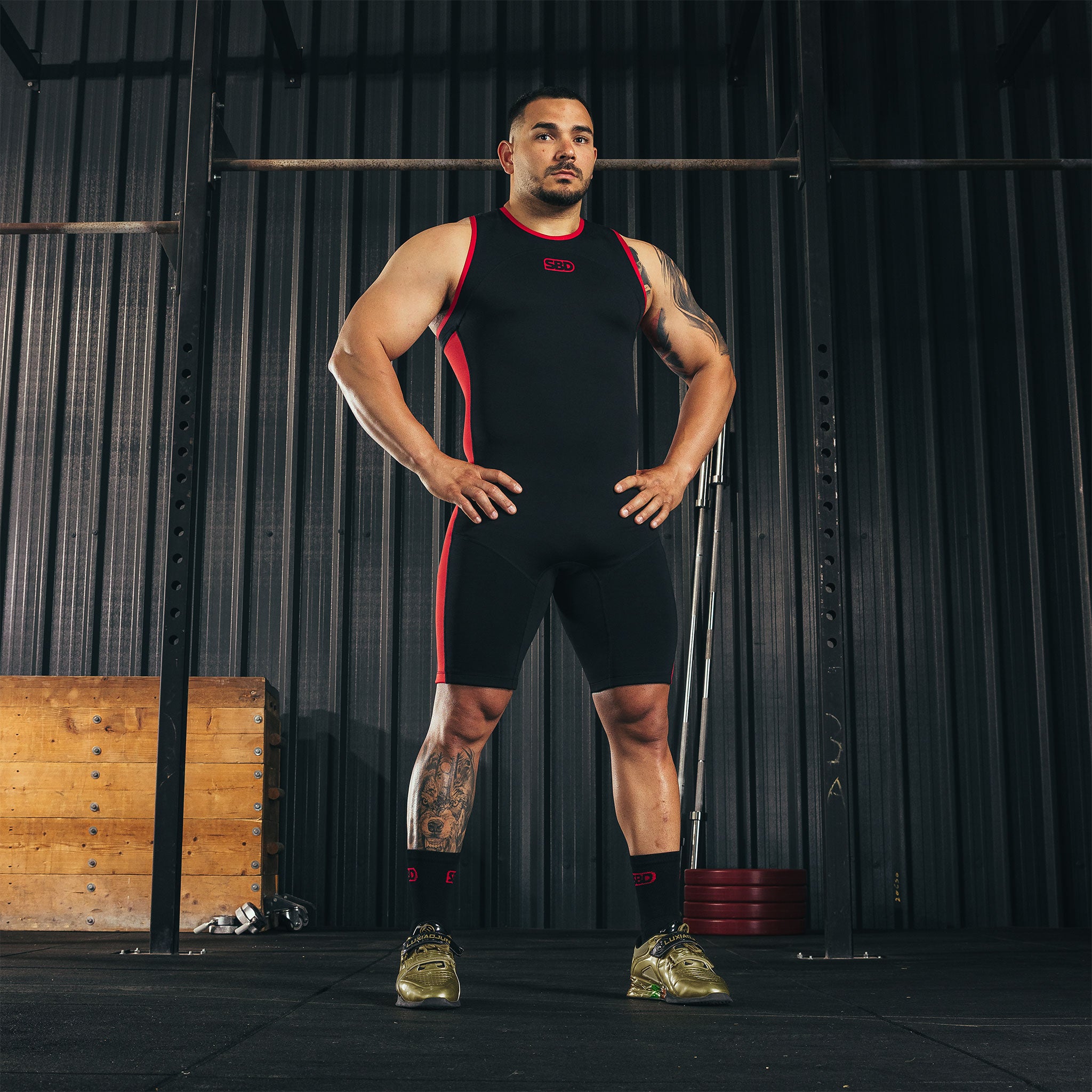
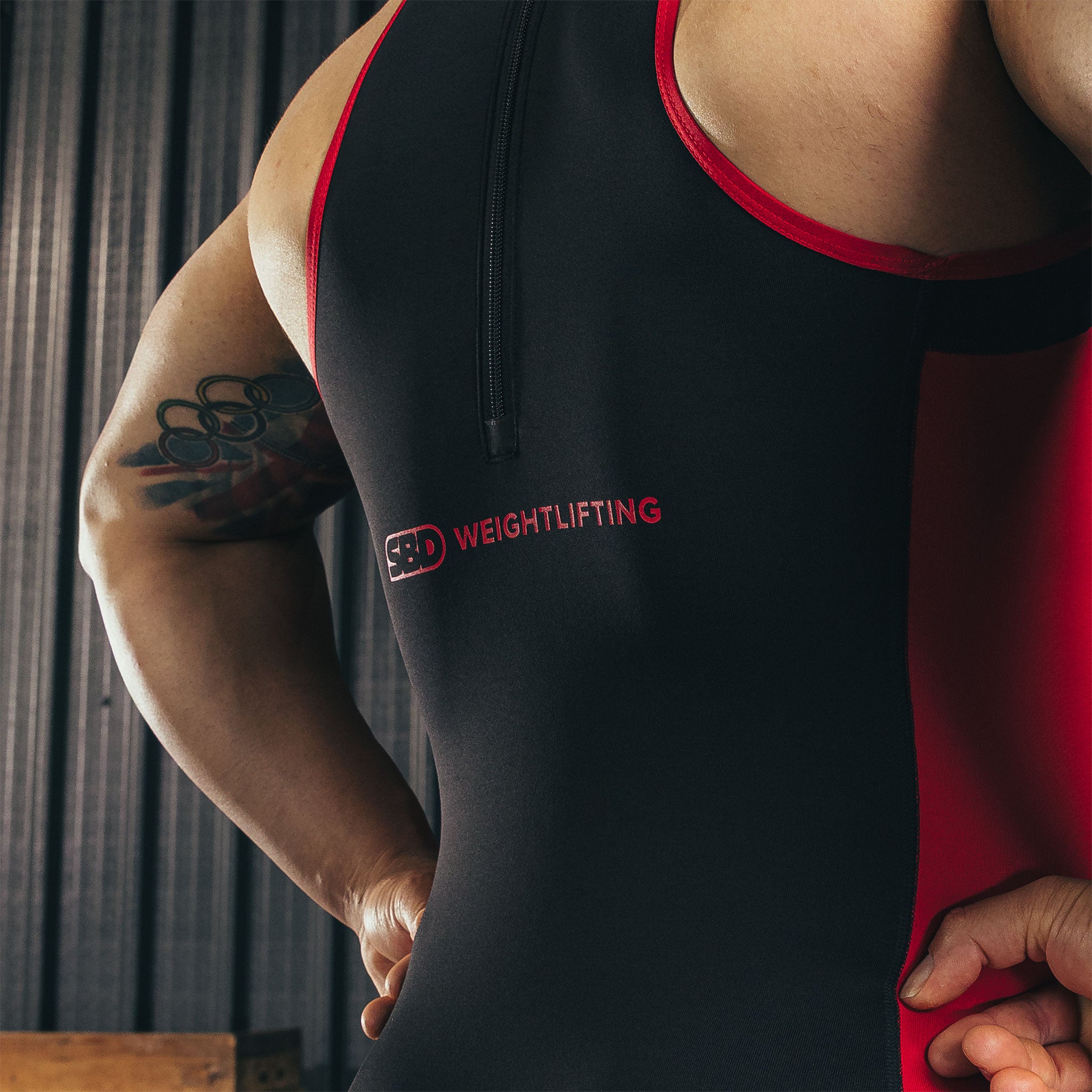
For lifters preparing for competition, the SBD Weightlifting Costume is designed for platform performance. Pairing a quality belt with suitable competition apparel helps create a setup that feels secure, professional and ready for the platform.
Beginner Weightlifting Gear
If you are still building your kit, the Beginner’s Buying Guide to Weightlifting Gear is a useful place to start. It can help you understand what to buy first, what can wait and how each piece of kit supports your training.
Best Features to Look For in Cool Weightlifting Belts
| Feature | Why It Is Useful | SBD 10mm Belt Example |
|---|---|---|
| 10mm thickness | Offers support while staying practical for regular training | 10mm thick and 10cm wide |
| Lever adjustment | Makes the belt easy to secure and release | Patented gliding lever for adjustability and tightness |
| Quality materials | Helps the belt feel durable and reliable | Constructed from British cowhide |
| Low-profile buckle | Can reduce obstruction and discomfort | Designed with a low-profile buckle |
| Rounded edges | Improves comfort around the body | Rounded edges and corners |
Common Mistakes When Buying a Weightlifting Belt
Choosing style over support
A belt can look great, but it still needs to do its job. Prioritise support, fit and comfort before appearance.
Buying a belt that is too stiff for your training
If you need to move quickly, receive deep or train high-volume sessions, a very stiff belt may feel restrictive. Choose a belt that suits your lifts, not just your ego.
Wearing the belt too tight
A belt should help you brace, not stop you breathing. If you cannot expand into the belt, it is too tight.
Using your trouser size as your belt size
Your lifting belt size is not always the same as your trouser waist. Measure where the belt will sit during training so you can choose the correct size.
Expecting the belt to fix poor technique
A belt supports good bracing, but it does not replace proper technique. Learn how to lift well first, then use the belt to support heavier and more demanding work.
Cool Weightlifting Belt Setup Ideas
If you want your training kit to look sharp and work well together, start with the belt and build around it. A black and red SBD belt pairs naturally with knee sleeves, wrist wraps and weightlifting apparel from the SBD range.
| Training Setup | Recommended Gear | Why It Works |
|---|---|---|
| Beginner strength setup | SBD Belt 10mm and 5mm Knee Sleeves | Simple, supportive and useful across regular training |
| Weightlifting setup | Weightlifting range | Designed for lifters training Olympic lifts and strength work |
| Competition setup | Weightlifting Costume, belt and knee sleeves | Gives you a complete platform-ready look |
FAQ: Cool Weightlifting Belts
What are the coolest weightlifting belts?
The coolest weightlifting belts are the ones that combine style, support and comfort. A belt should look good, but it should also help you brace properly and perform well under load.
Is the SBD 10mm Belt good for weightlifting?
Yes, the SBD 10mm Belt is a strong option for lifters who want support, comfort and versatility. It is well suited to strength training, squats, pulls and weightlifting-focused sessions.
Are lever belts good for weightlifting?
Lever belts can be useful because they are easy to tighten and release. The SBD 10mm Belt uses a patented gliding lever, which gives adjustability while still offering the secure feel many lifters like from a lever belt.
Should a cool weightlifting belt be tight?
It should be tight enough to brace into, but not so tight that it limits breathing or movement. You should still be able to set up properly and move through your lifts.
What gear should I pair with a weightlifting belt?
A belt pairs well with knee sleeves, wrist wraps, lifting straps and weightlifting apparel depending on your training. For dynamic lifting, 5mm knee sleeves are a useful option because they offer support while allowing free movement.
Where should beginners start?
Beginners should start by learning technique and building consistency. When you are ready to add equipment, read the Beginner’s Buying Guide to Weightlifting Gear to understand which items are most useful for your training.
Final Thoughts
Cool weightlifting belts should look good, feel secure and help you perform better in training. A belt is more than a style choice. It is a tool for better bracing, better confidence and more consistent lifting.
If you want a belt that combines clean design with serious support, the SBD Belt 10mm is a standout choice. Pair it with gear from the SBD Ireland Weightlifting range, including 5mm Knee Sleeves and the SBD Weightlifting Costume, to build a setup that looks sharp and supports your lifting goals.