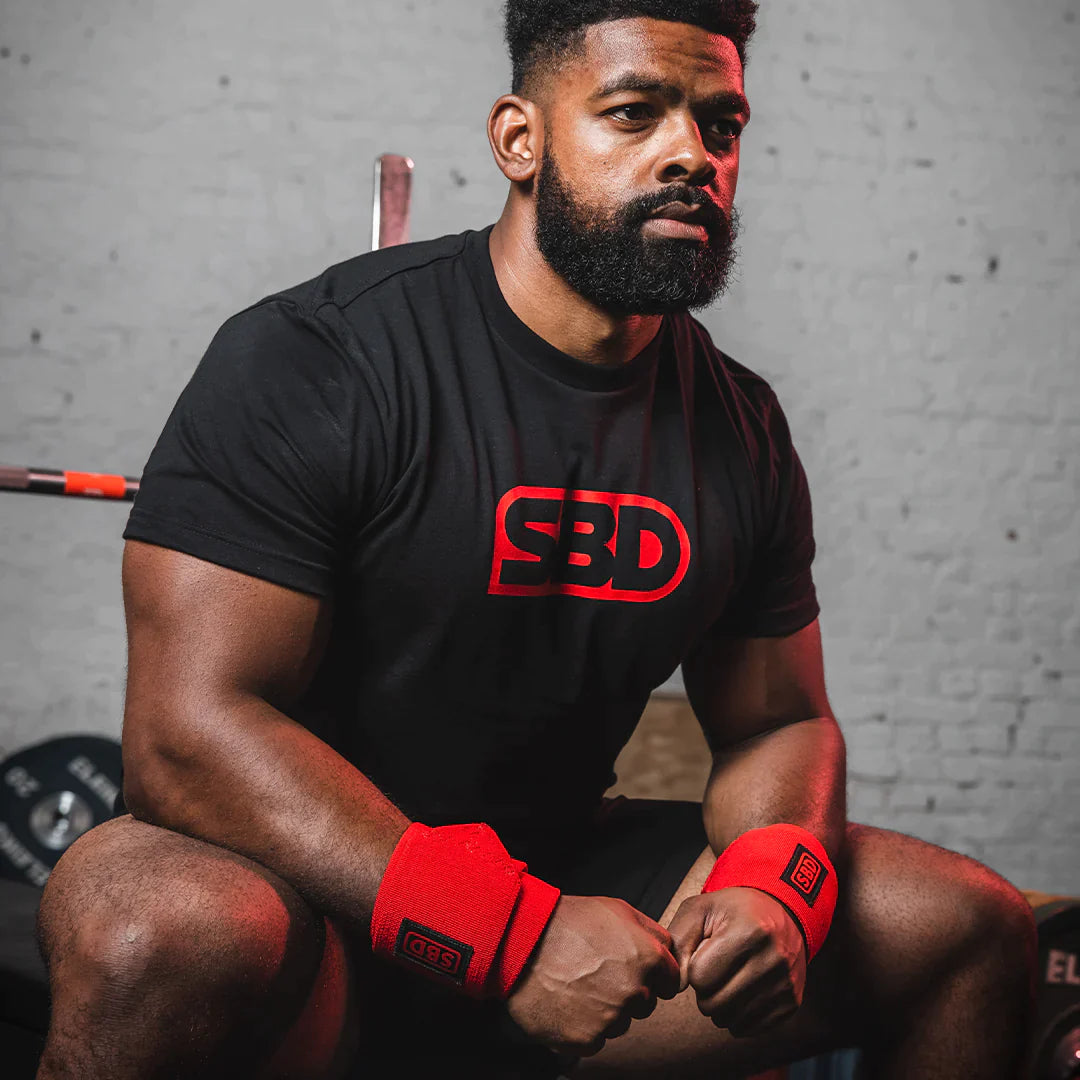


Starting weightlifting can feel intimidating at first, but it does not need to be complicated. You do not need to be strong before you begin. You get stronger by learning the basics, training consistently and building confidence over time.
This guide explains how to start weightlifting safely, which exercises to learn first, how often to train and what equipment can help as you progress. If you are building your first setup, the SBD Ireland Weightlifting range includes lifting belts, knee sleeves, wrist wraps, lifting straps and weightlifting apparel for training and competition.

Quick Answer: How Should You Start Weightlifting?
The best way to start weightlifting is to learn the main movement patterns first: squat, hinge, push, pull, brace and carry. Begin with light weights, focus on technique, train two to three times per week and increase the load gradually as your confidence improves.
Beginners should not rush into heavy lifting. The goal at the start is to build good habits, learn how your body moves and become consistent. Once your technique improves, you can add more weight, more volume and more specialised exercises.
Why Start Weightlifting?
Weightlifting can help you build strength, improve confidence, support better movement and make everyday tasks feel easier. It can also give your training more structure because progress is easy to track through weights, reps, sets and technique improvements.
For some people, weightlifting means Olympic lifting, including the snatch and clean and jerk. For others, it means general strength training with squats, presses, rows, deadlifts and accessories. Both approaches can be valuable. The key is to start at the right level for your experience.
| Beginner Goal | What to Focus On | Good Starting Point |
|---|---|---|
| Build strength | Learn basic compound movements | Squats, hinges, presses, rows and carries |
| Improve confidence | Use simple exercises and repeat them regularly | Two to three sessions per week |
| Start Olympic lifting | Learn positions, timing and technique | Light technical work with coaching where possible |
| Train safely | Progress gradually and avoid ego lifting | Start light and leave reps in reserve |
Step 1: Learn the Main Weightlifting Movement Patterns
Before worrying about advanced programmes, start by learning the core movements that appear across most weightlifting and strength training plans.
| Movement Pattern | Example Exercises | Why It Matters |
|---|---|---|
| Squat | Goblet squat, back squat, front squat | Builds leg strength and supports cleans, jerks and general lower body training |
| Hinge | Romanian deadlift, deadlift, hip hinge drill | Strengthens glutes, hamstrings and pulling positions |
| Push | Push-up, overhead press, bench press | Builds upper body strength and pressing control |
| Pull | Row, assisted pull-up, lat pulldown | Strengthens the back and improves shoulder control |
| Brace | Plank, dead bug, loaded carry | Helps create trunk stability under load |
| Carry | Farmer’s carry, suitcase carry | Builds grip, posture and full-body control |
Step 2: Start Light and Build Technique
One of the biggest beginner mistakes is trying to lift too heavy too soon. Heavy weights can be useful later, but your first goal is to move well. A good beginner session should leave you feeling like you practised quality reps, not like you survived a punishment workout.
Start with weights you can control. If your form changes dramatically during a set, the weight is probably too heavy. You should be able to move smoothly, stay balanced and keep control through the full range of motion.
Beginner Technique Checklist
- Move with control: Avoid rushing through reps just to finish the set.
- Use a full range where comfortable: Build strength through the positions you can control.
- Keep your brace: Learn how to breathe and create trunk tension before lifting.
- Stop before form breaks down: Quality matters more than chasing extra reps.
- Progress gradually: Add weight only when the movement feels consistent.
Step 3: Choose Simple Exercises First
When starting weightlifting, simple exercises are often best. They are easier to learn, easier to repeat and easier to progress. You can add more technical movements once your strength and coordination improve.
| Beginner Exercise | What It Builds | Progression |
|---|---|---|
| Goblet squat | Squat technique, leg strength and posture | Front squat or back squat |
| Romanian deadlift | Hip hinge, hamstrings and glutes | Deadlift or clean pull |
| Dumbbell press | Shoulders, triceps and pressing control | Barbell overhead press |
| Seated row | Back strength and pulling control | Barbell row or pull-up variation |
| Split squat | Single-leg strength and balance | Bulgarian split squat or weighted lunge |
| Plank | Core control and bracing | Loaded carries or heavier compound lifts |
Step 4: Train Two to Three Times Per Week
Beginners do not need to train every day. Two to three well-planned sessions per week is enough for many people to build strength, learn technique and recover properly.
Training too often too soon can leave you sore, tired and frustrated. A better approach is to start with a manageable routine that you can repeat consistently. Once you have built the habit, you can increase training volume if needed.
Simple Beginner Weightlifting Plan
This sample plan is designed for beginners who want to build strength and confidence. Use light to moderate weights and focus on clean technique.
| Exercise | Sets | Reps | Focus |
|---|---|---|---|
| Goblet squat | 3 | 8 to 10 | Squat depth, balance and control |
| Romanian deadlift | 3 | 8 to 10 | Hip hinge and hamstring strength |
| Dumbbell overhead press | 3 | 8 | Pressing control and shoulder strength |
| Seated row or dumbbell row | 3 | 10 | Back strength and pulling control |
| Split squat | 2 to 3 | 8 each side | Single-leg strength and stability |
| Plank | 3 | 20 to 40 seconds | Core bracing and trunk control |
Beginner Weekly Training Example
Here is a simple weekly structure for someone starting weightlifting. This can be adapted based on your schedule, recovery and access to equipment.
| Day | Training Focus | Example |
|---|---|---|
| Monday | Full-body strength | Squat, hinge, push, pull and core |
| Tuesday | Light activity or rest | Walking, mobility or easy recovery work |
| Wednesday | Full-body strength | Squat variation, row, press, split squat and core |
| Thursday | Rest | Focus on sleep, food and recovery |
| Friday | Technique and strength | Light Olympic lift drills, front squat, hinge and accessories |
| Weekend | Recovery or optional activity | Walking, stretching, mobility or sport |
Starting Olympic Weightlifting
If your goal is Olympic weightlifting, you will eventually learn the snatch, clean and jerk. These are technical lifts, so beginners should focus on positions and timing before adding heavy weight.
A coach can be very helpful when learning Olympic lifting. If you are training alone, start with simple drills, light technique work and strength exercises that support the lifts, such as front squats, overhead squats, clean pulls, snatch pulls and Romanian deadlifts.

Beginner Olympic Weightlifting Exercises
| Exercise | Why It Helps | Beginner Tip |
|---|---|---|
| Front squat | Builds clean recovery strength and upright posture | Keep elbows high and move with control |
| Overhead squat | Improves snatch receiving position and mobility | Start very light and focus on balance |
| Clean pull | Builds pulling strength and leg drive | Push through the floor and keep the bar close |
| Snatch grip Romanian deadlift | Strengthens pulling positions and posterior chain | Control the lowering phase and stay tight |
| Press and jerk dip drills | Develops overhead strength and dip-drive control | Keep the dip vertical and balanced |
When Should Beginners Use Weightlifting Gear?
You do not need every piece of kit on day one. At the start, your main priorities are technique, consistency and confidence. As your training becomes more structured, equipment can help support your sessions.
The Beginner’s Buying Guide to Weightlifting Gear is a useful place to understand what each item does and when it may be worth adding to your setup.
Beginner Weightlifting Gear Guide
| Gear | When to Consider It | Why It Helps |
|---|---|---|
| Knee sleeves | When squats, cleans or lower body sessions become regular | Can provide warmth, compression and support |
| Lifting belt | When squats, pulls and strength work become heavier | Helps support bracing under load |
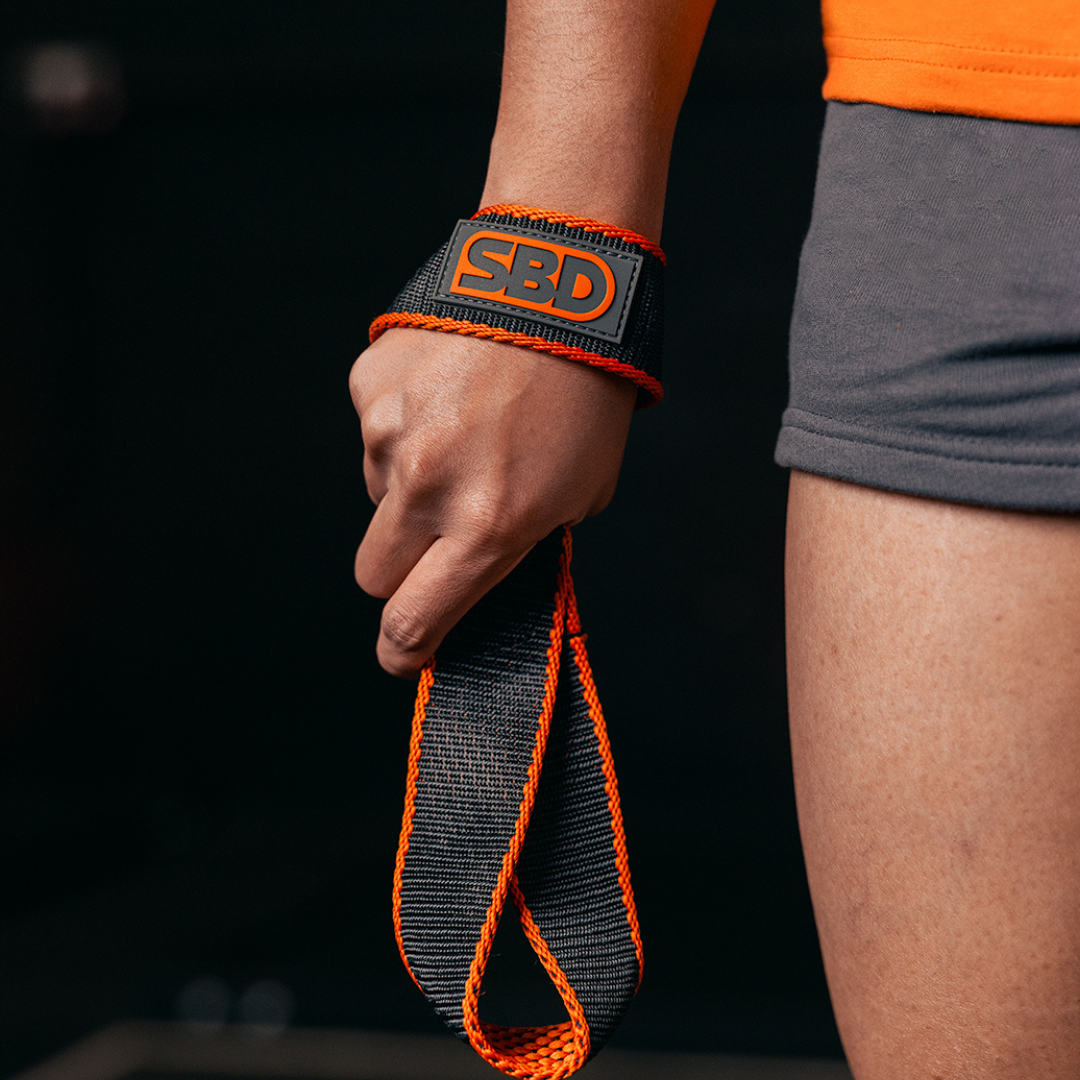
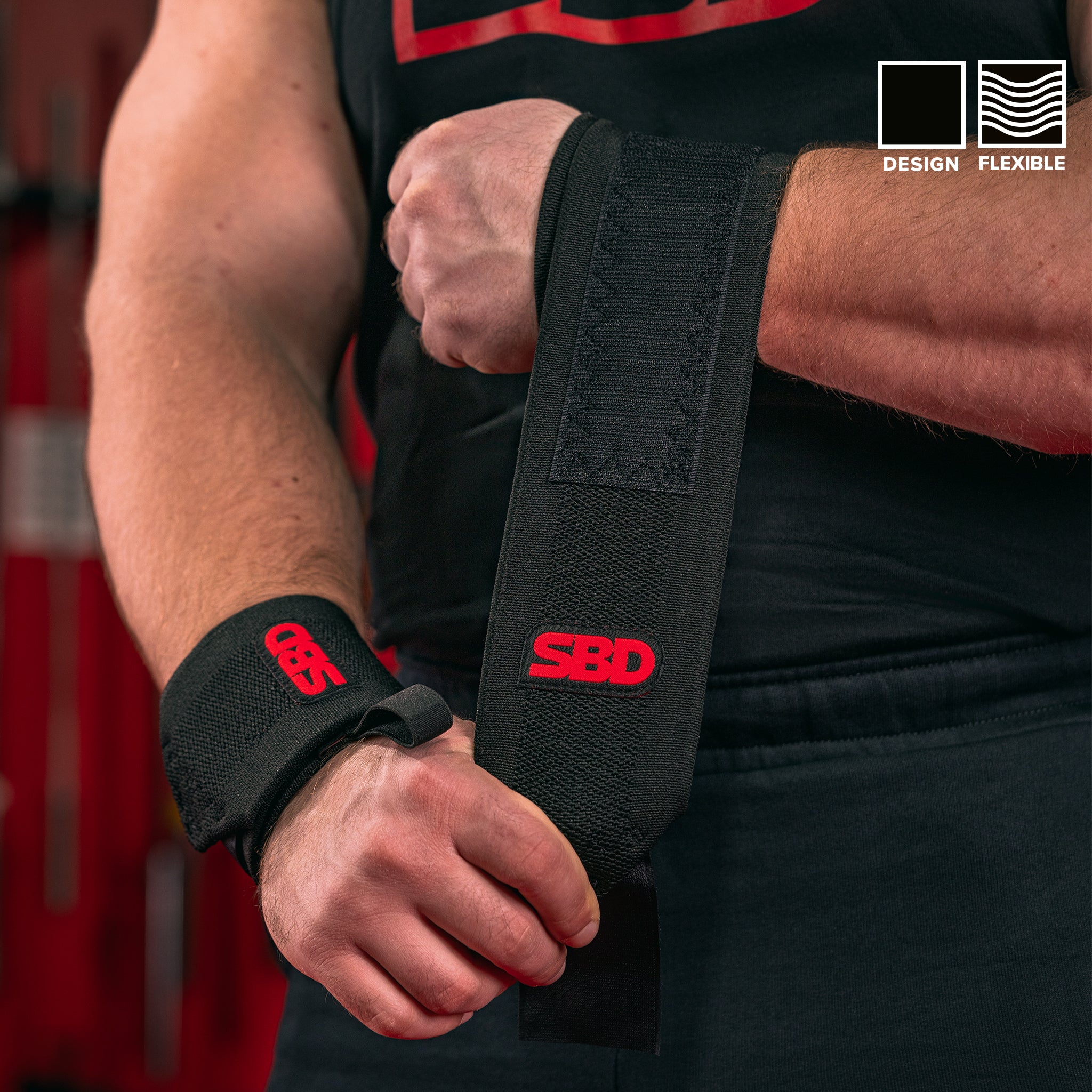
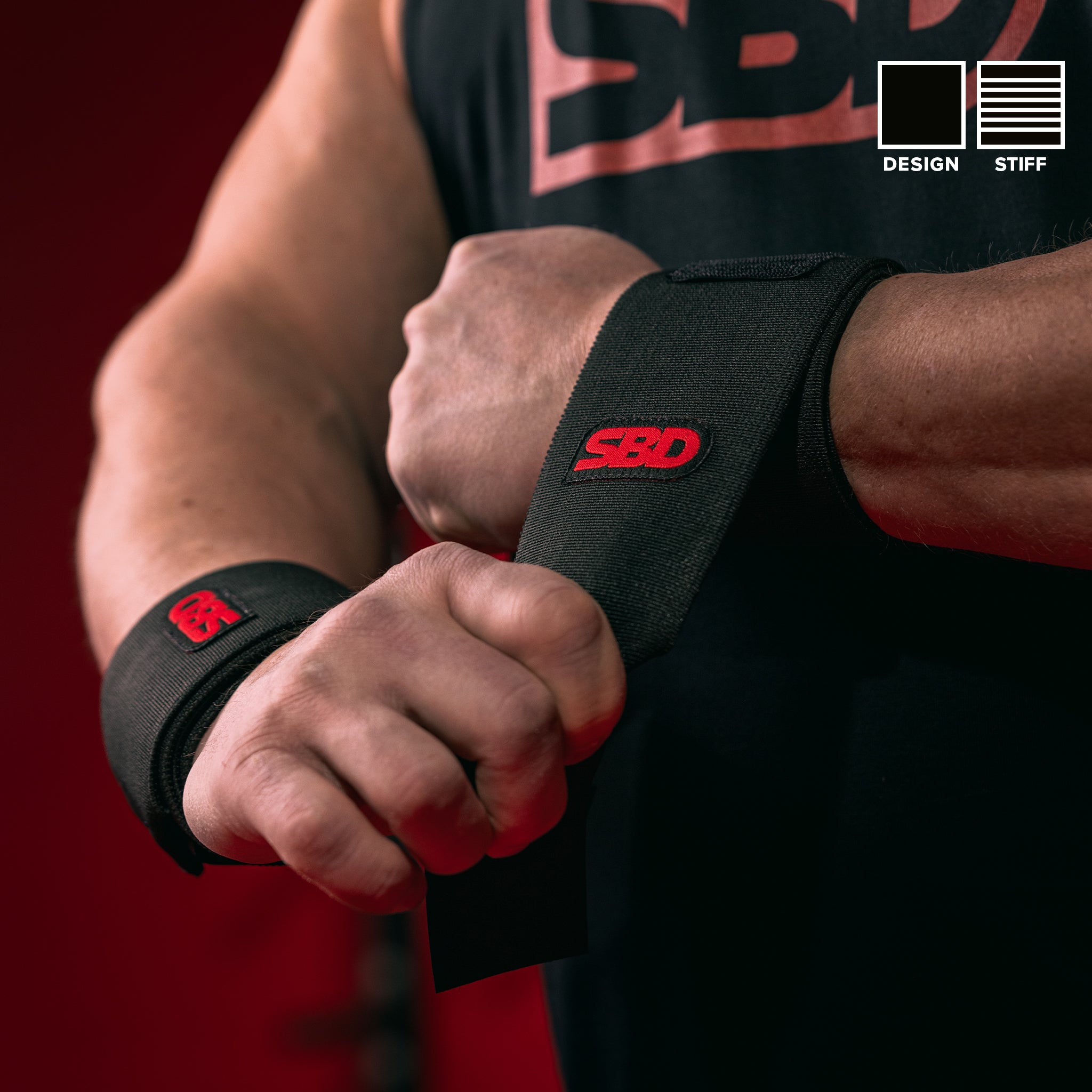
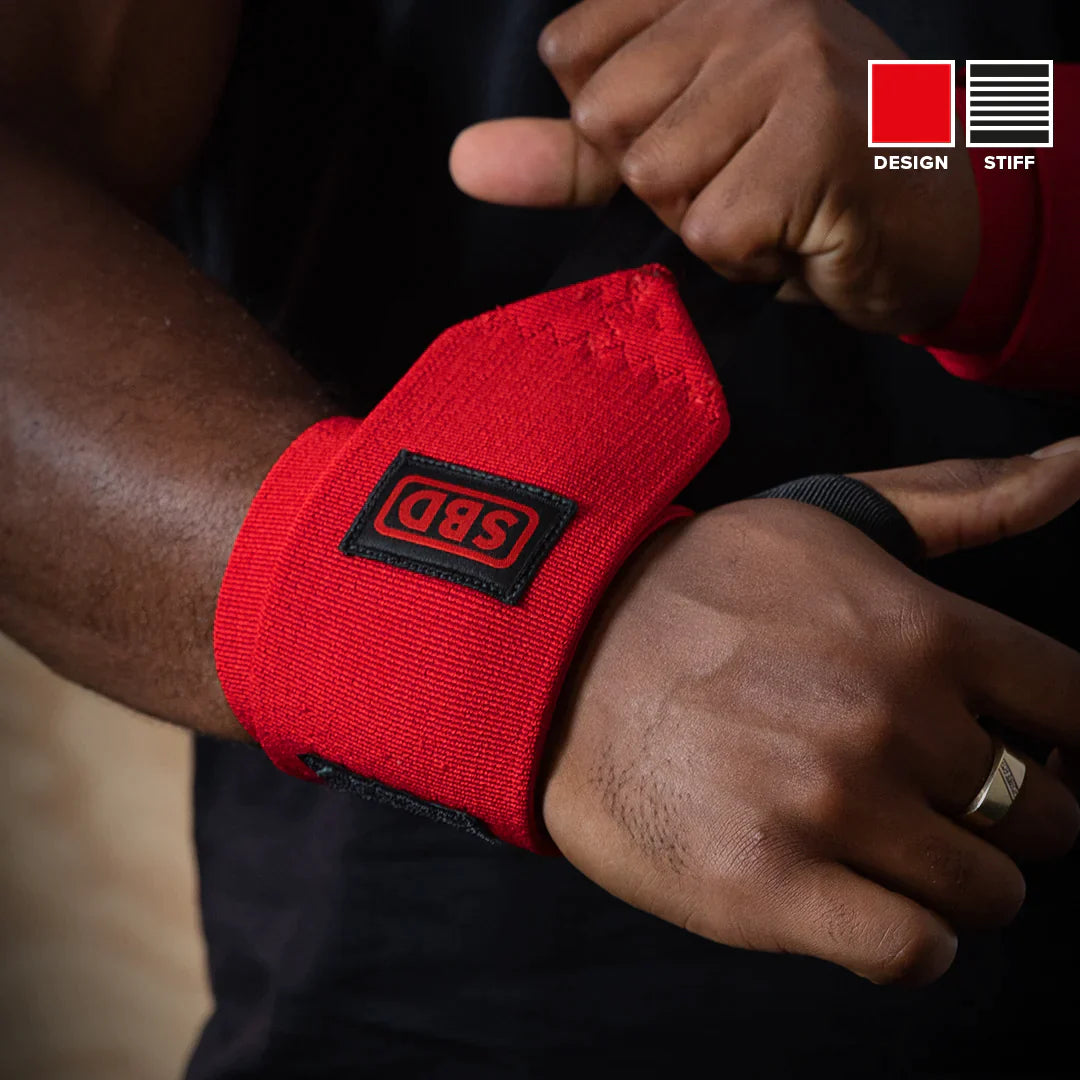
| Wrist wraps | When pressing or front rack work becomes uncomfortable | Can support the wrist during loaded movements |
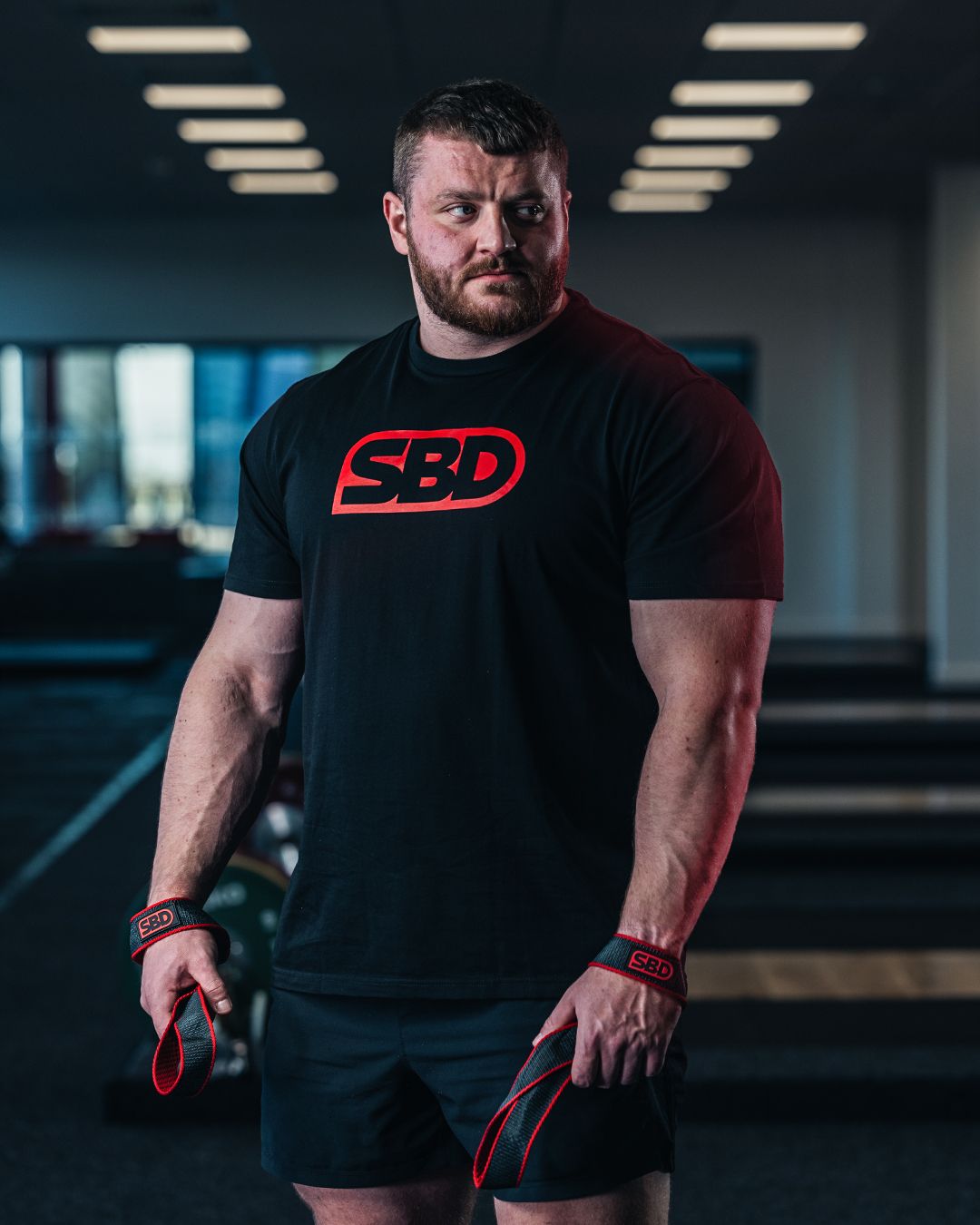
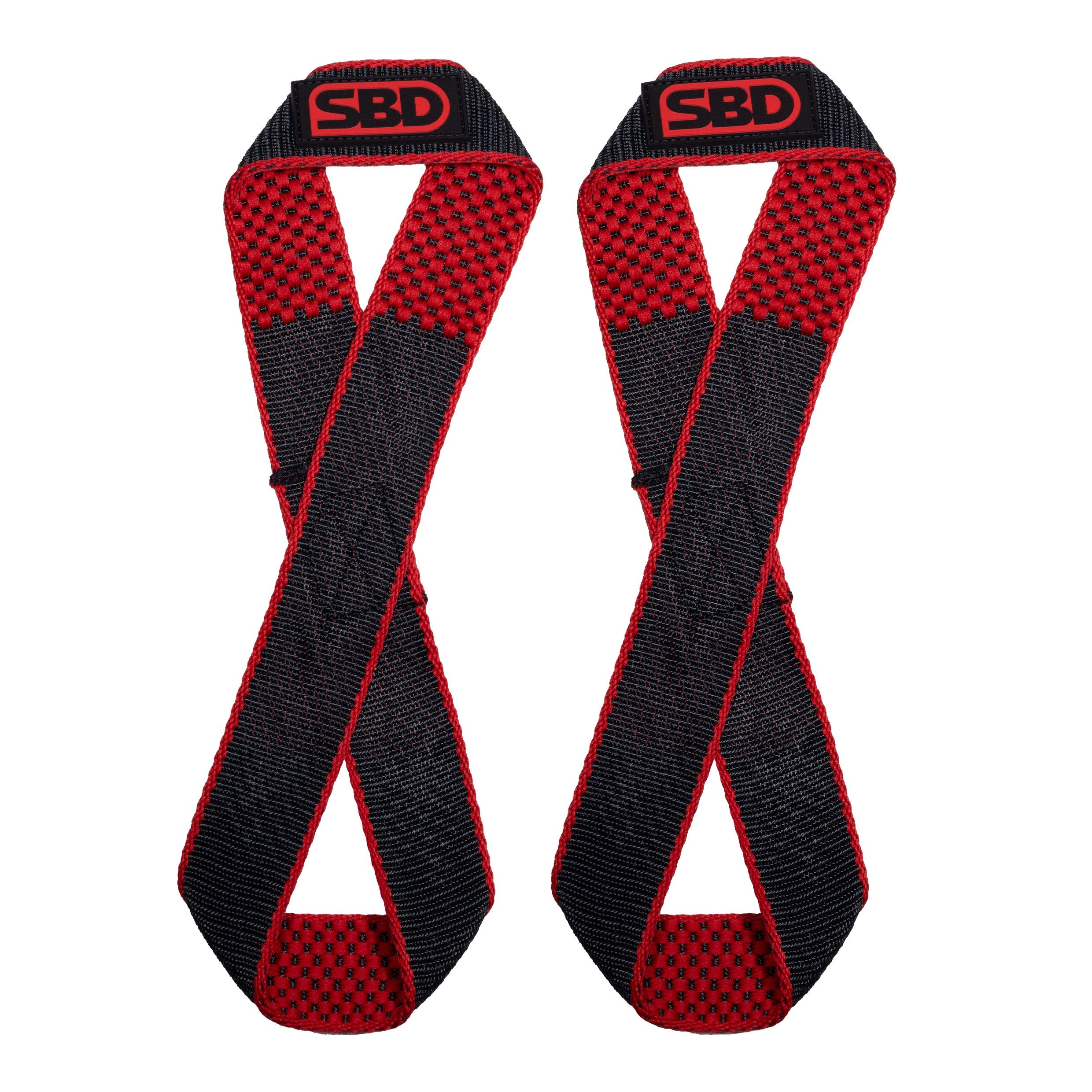
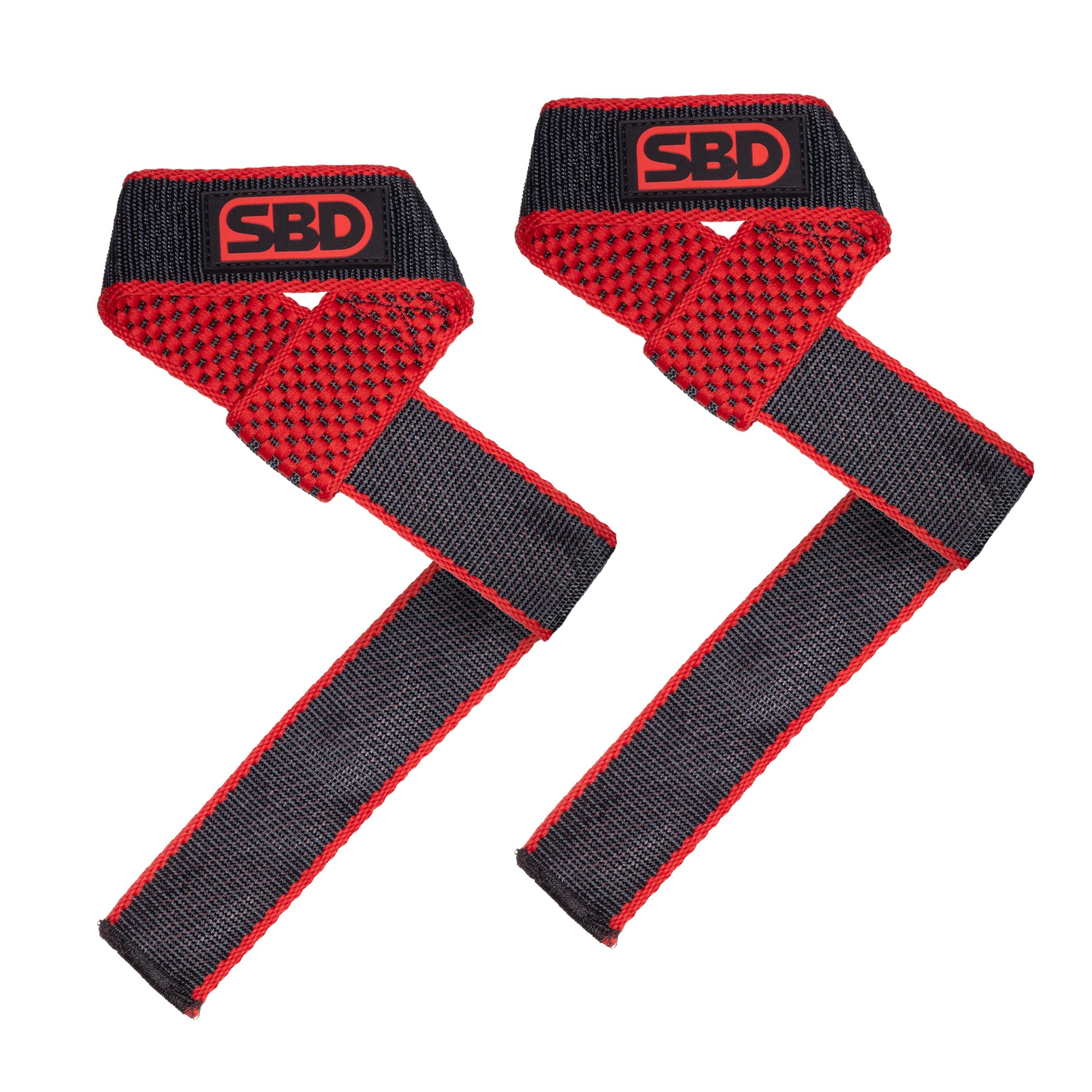
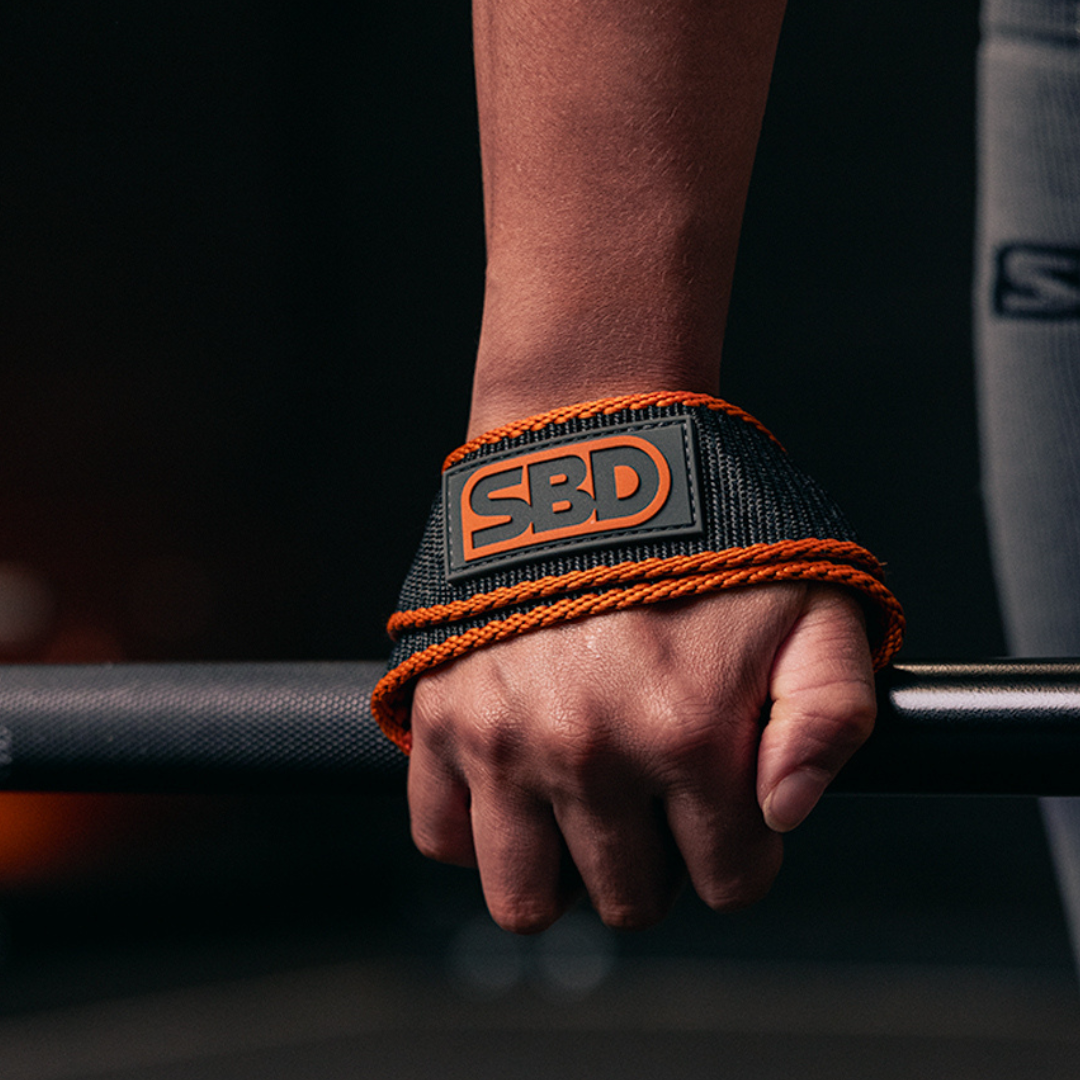
| Lifting straps | When grip limits pulls or technique work | Useful for pulling volume and accessory work |
| Weightlifting costume | When preparing for competition | Provides platform-ready apparel for Olympic weightlifting |
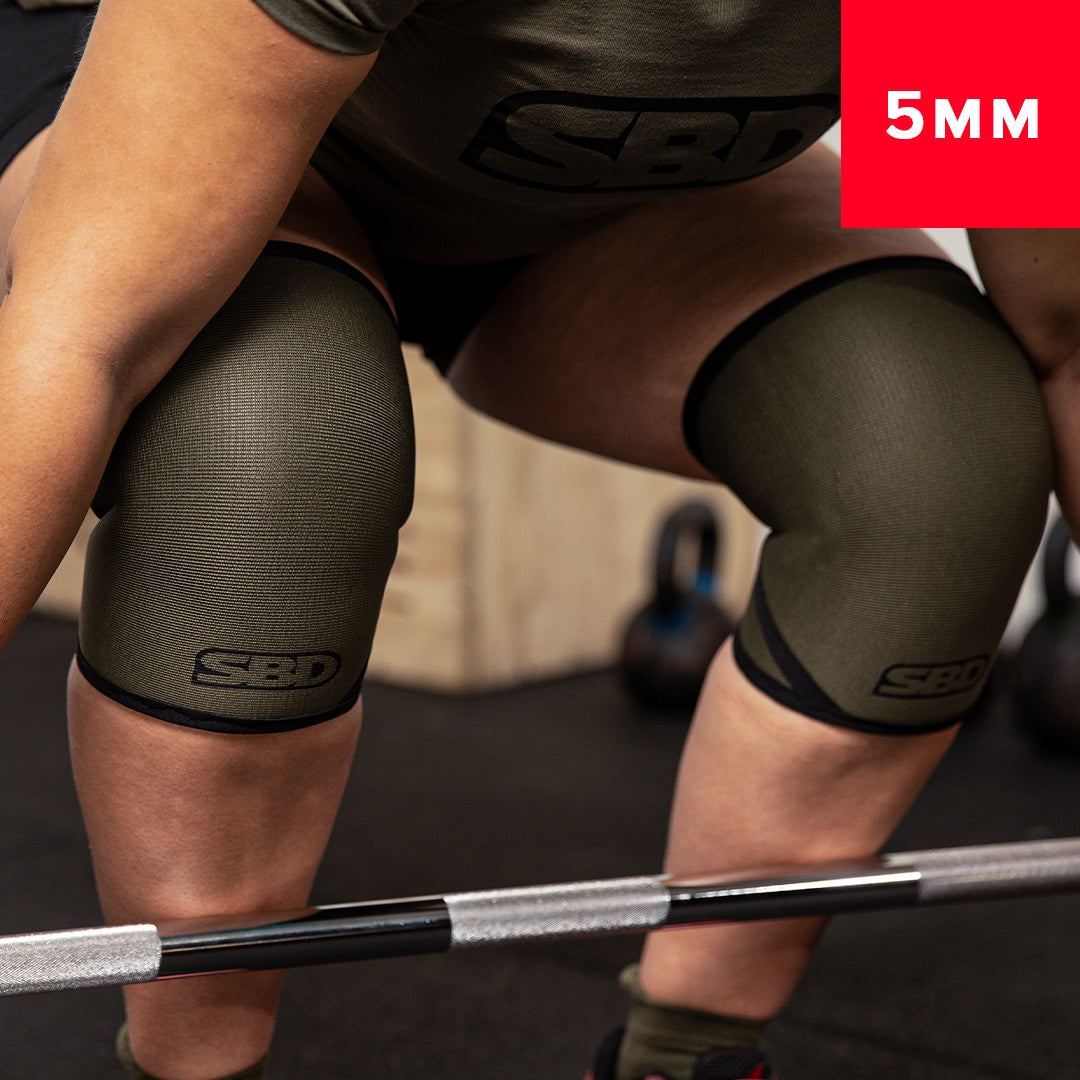
5mm Knee Sleeves for Beginners
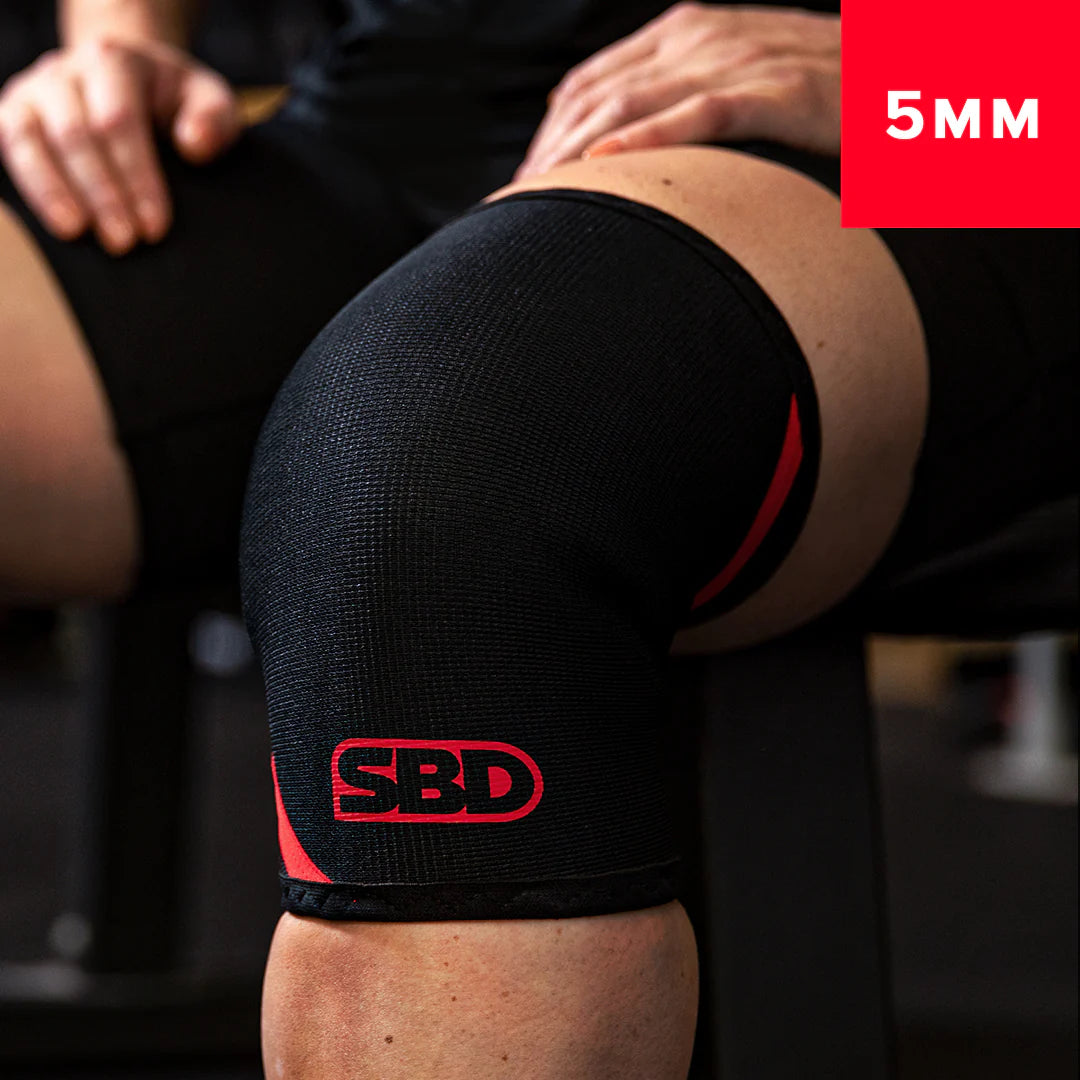
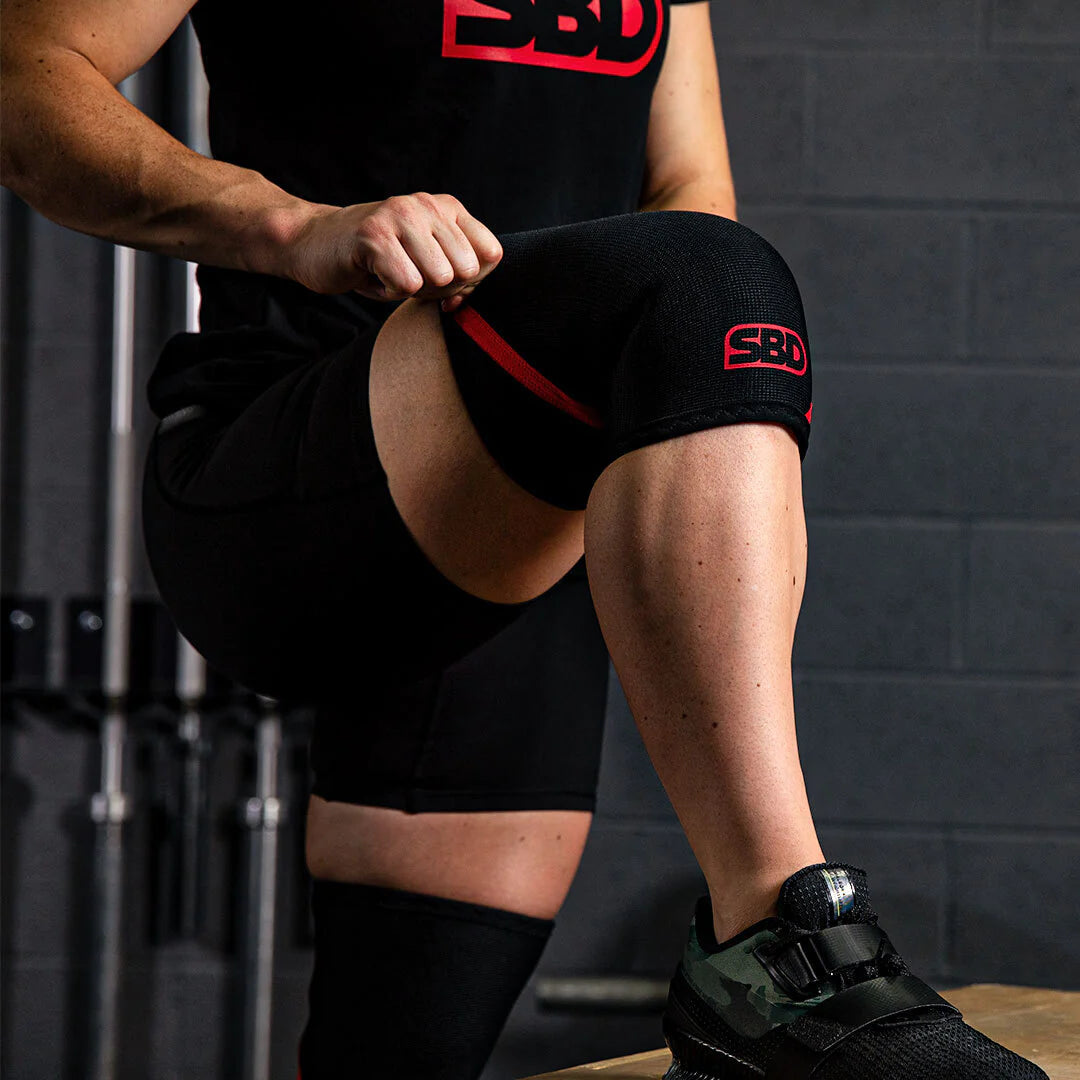
For beginners who are squatting regularly or learning Olympic lifts, SBD 5mm Knee Sleeves can be a practical first upgrade. They offer warmth, compression and support while still allowing freedom of movement, which is useful for dynamic weightlifting sessions.
When to Add a Weightlifting Belt
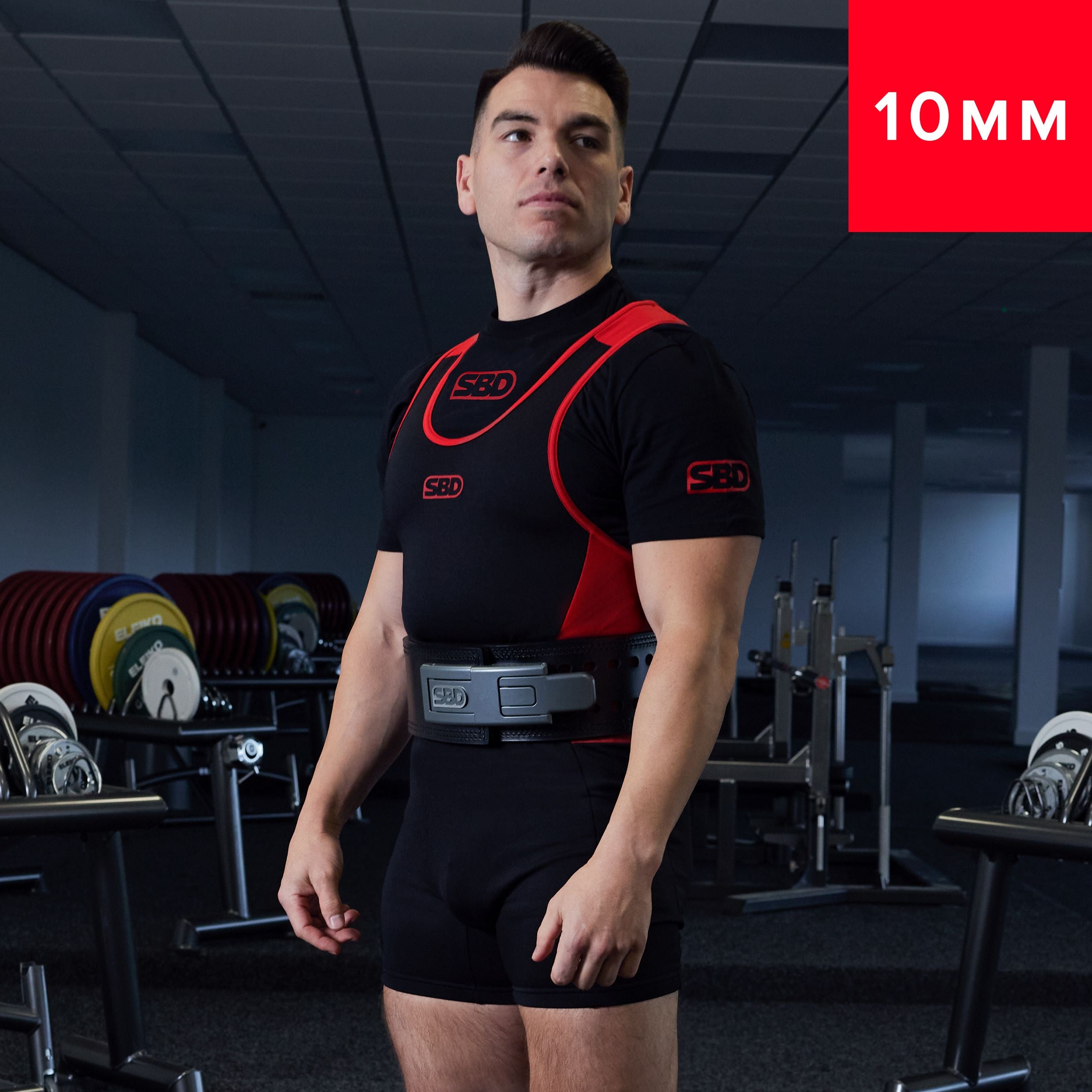
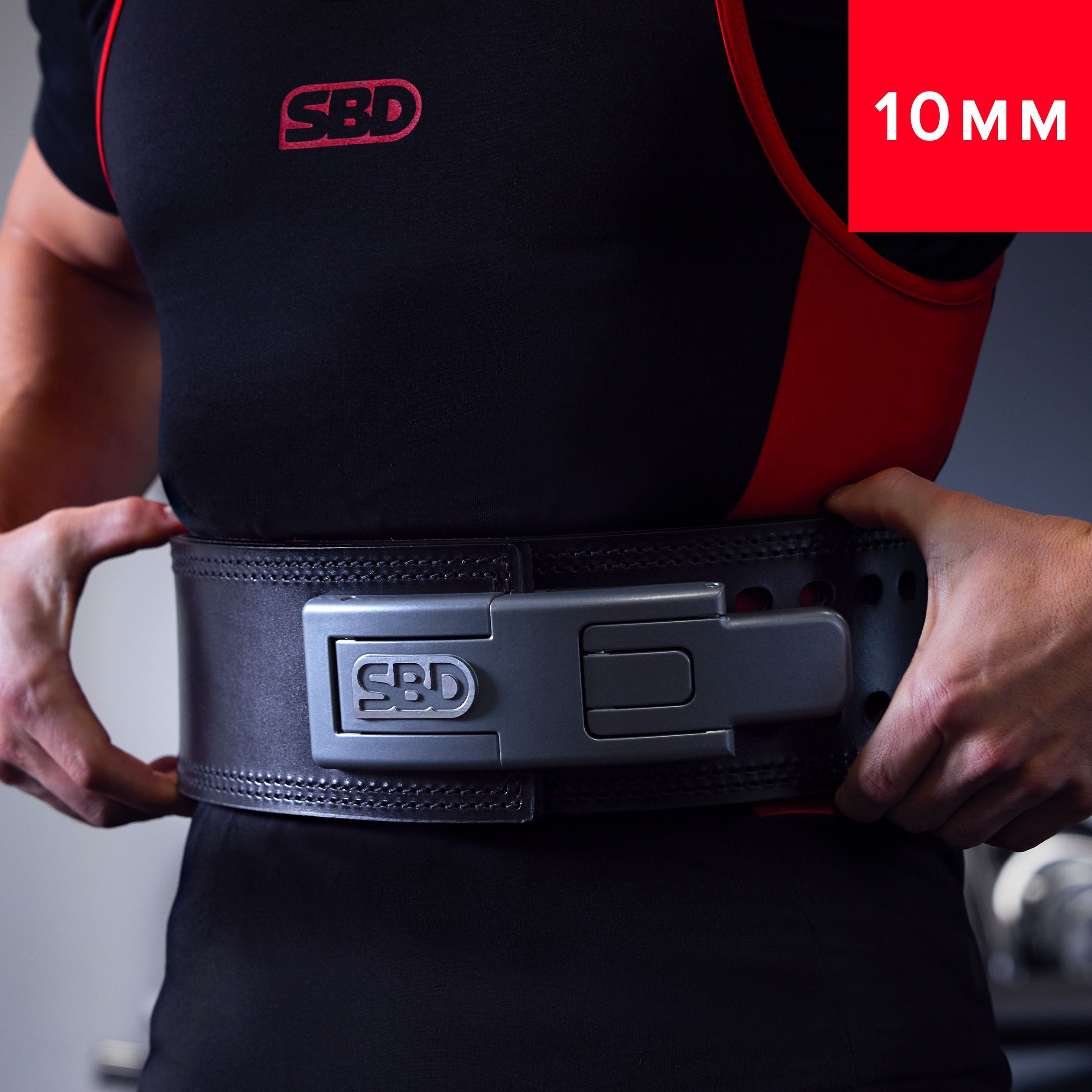
A belt is useful once your lifts become heavier and you understand how to brace properly. Beginners should first learn to create trunk tension without a belt, then use the belt as support during more demanding sets.
The SBD Belt 10mm is a strong option for lifters who want a balance of support, comfort and versatility. It can be used across squats, pulls and weightlifting-focused training when your programme becomes more advanced.
Weightlifting Costume for Competition
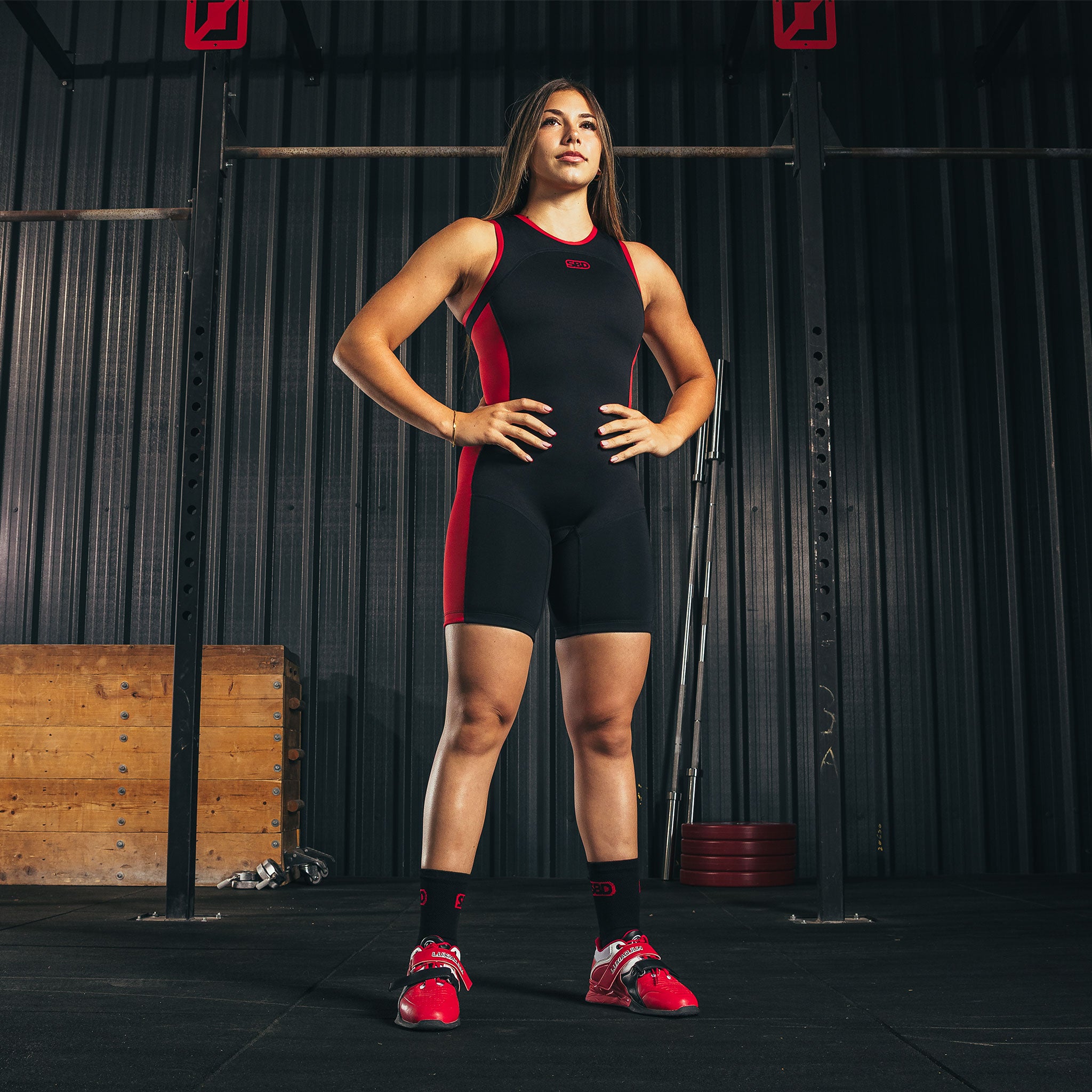
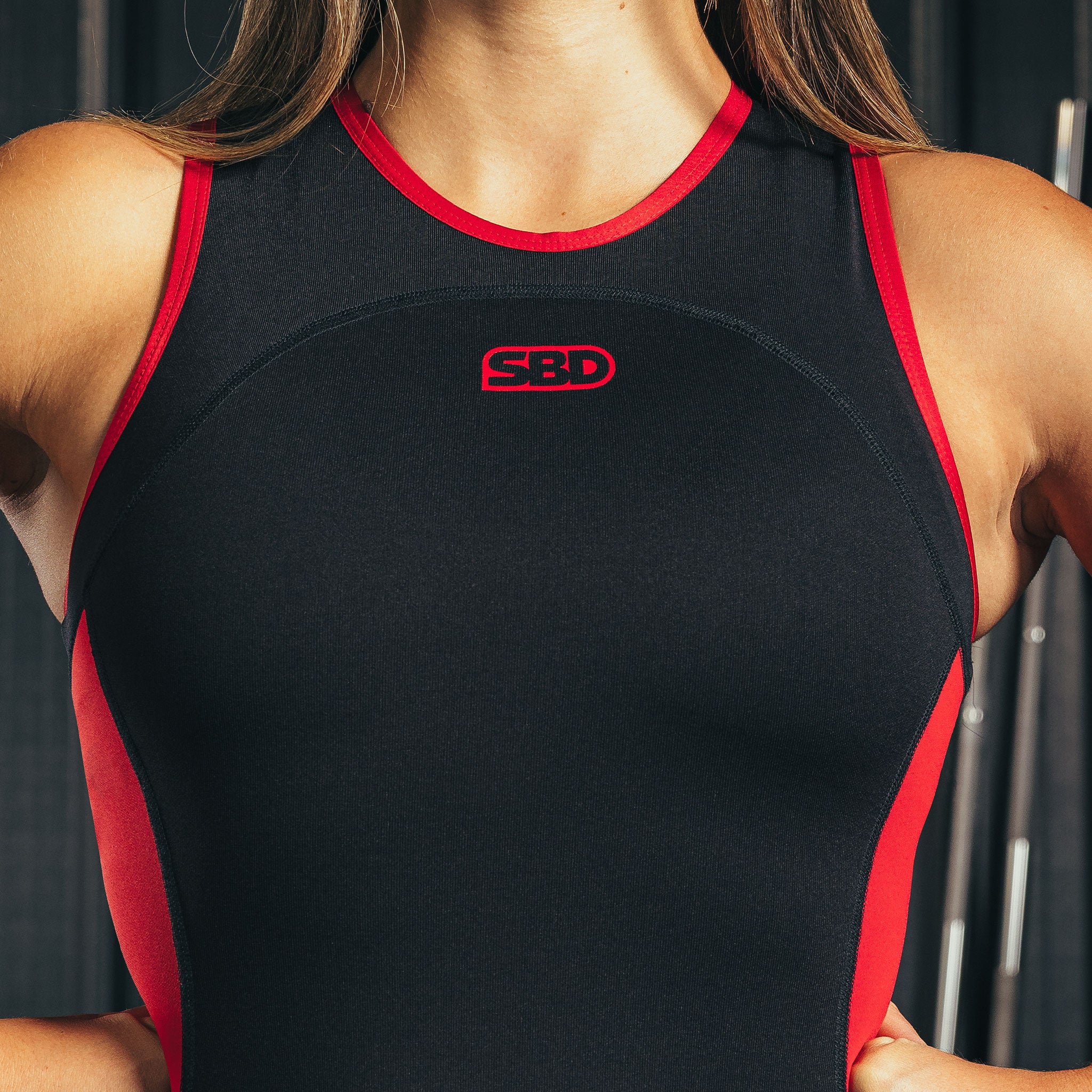
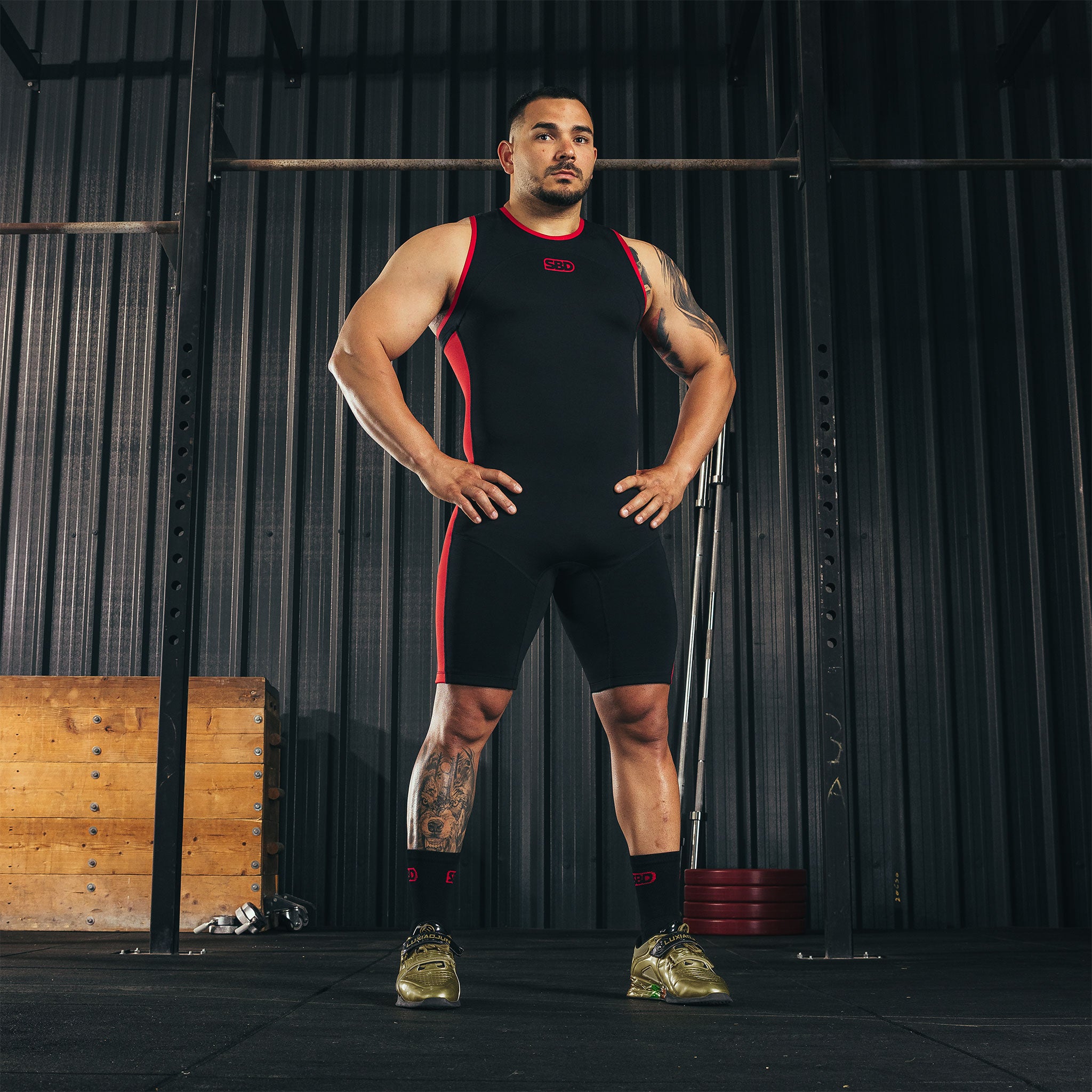
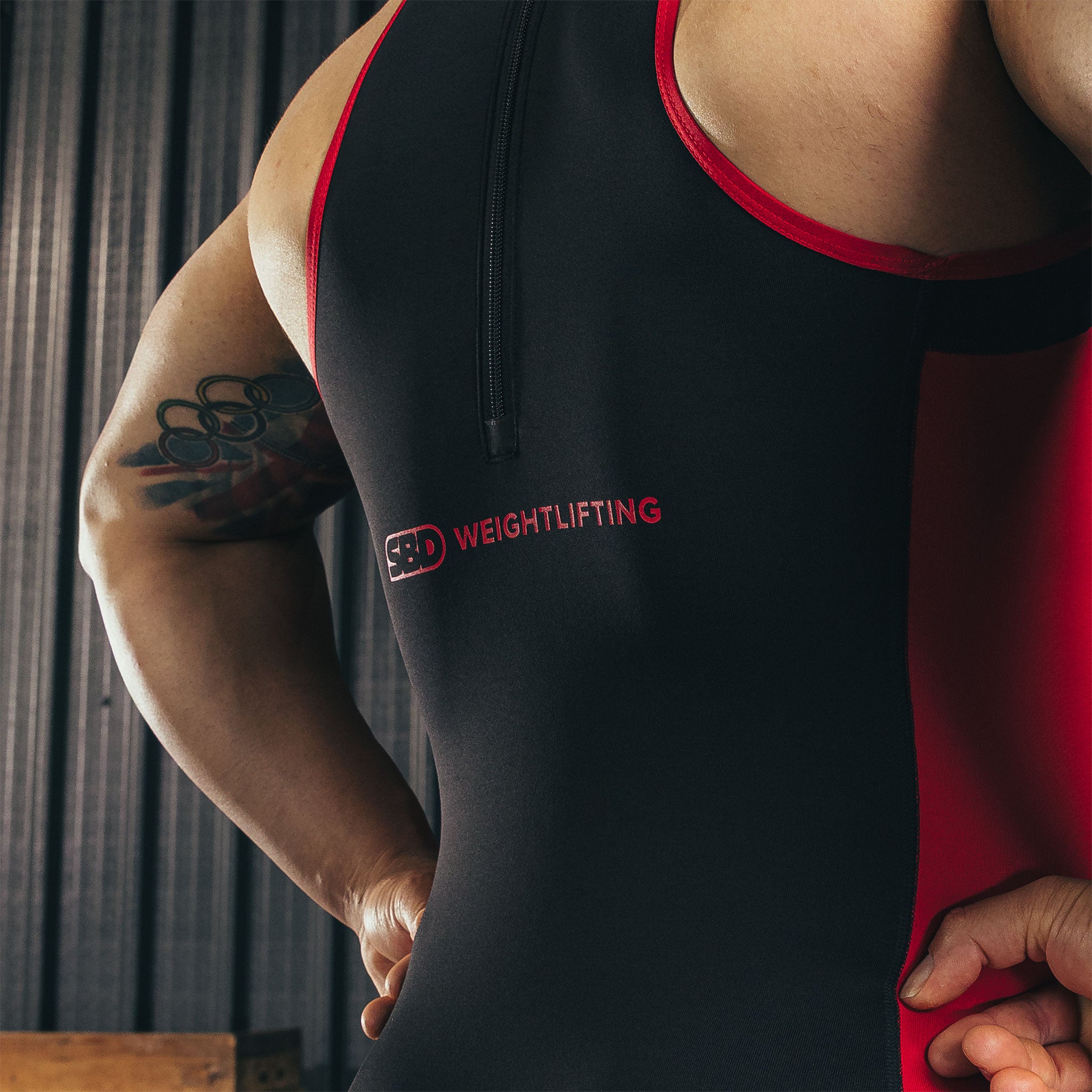
If you are starting weightlifting with the goal of competing, you will eventually need suitable platform apparel. The SBD Weightlifting Costume is designed for Olympic weightlifting and built to support movement through squats, pulls, cleans, jerks and snatches.
You do not need a competition costume for your first gym session, but it becomes more important as you move toward platform lifting and formal competition.
Common Mistakes When Starting Weightlifting
Going too heavy too soon
Beginners often want to test strength before building technique. This can lead to poor habits and unnecessary frustration. Start light, move well and progress gradually.
Changing exercises every session
Variety can be fun, but too much variety makes progress harder to track. Choose a few key movements and practise them consistently.
Ignoring warm-ups
A good warm-up prepares your joints, muscles and nervous system for training. Start with light movement, mobility work and lighter sets before your main lifts.
Training to failure all the time
You do not need to max out every session. Beginners usually progress better by leaving a few reps in reserve and focusing on quality movement.
Skipping recovery
Strength improves between sessions when your body has time to recover. Sleep, food, hydration and rest days all matter.
Buying gear before learning technique
Good gear can support your lifting, but it should not replace good movement. Build the basics first, then add equipment when it solves a clear training need.
How to Progress as a Beginner
Progress does not have to mean adding weight every session. You can improve by lifting with better technique, adding reps, adding sets, improving range of motion or feeling more stable under the same load.
| Progression Method | Example | Best For |
|---|---|---|
| Add weight | Increase from 20kg to 22.5kg | When form is consistent |
| Add reps | Move from 3 sets of 8 to 3 sets of 10 | Building confidence and volume |
| Add sets | Move from 2 working sets to 3 working sets | Increasing training volume gradually |
| Improve technique | Better depth, balance or bar path | Beginners learning new lifts |
| Slow the tempo | Use a controlled lowering phase | Learning control and position |
Simple Warm-Up for Starting Weightlifting
A warm-up should prepare you for the movements in your session. Keep it simple and repeatable.
| Warm-Up Step | Example | Purpose |
|---|---|---|
| General movement | 5 minutes walking, cycling or rowing | Increase body temperature |
| Mobility | Hip, ankle, shoulder and thoracic drills | Prepare key positions |
| Activation | Glute bridges, band rows or core drills | Wake up muscles used in the session |
| Ramp-up sets | Light sets of your first exercise | Practise technique before working sets |
What Should You Eat When Starting Weightlifting?
You do not need a perfect diet to start weightlifting, but you do need enough food to support training and recovery. Aim for balanced meals with protein, carbohydrates, fruit or vegetables and healthy fats.
Protein helps support muscle repair, carbohydrates help fuel training and fluids help maintain energy and focus. If you are training hard but eating too little, your performance and recovery may suffer.
Simple Beginner Nutrition Tips
- Eat protein with each main meal: Examples include eggs, chicken, fish, yoghurt, tofu, beans or lentils.
- Use carbohydrates around training: Rice, oats, potatoes, pasta, bread and fruit can help fuel sessions.
- Drink water regularly: Bring a bottle to training and hydrate throughout the day.
- Do not crash diet: Extreme dieting can make training feel harder and slow recovery.
How Long Until You See Progress?
Many beginners notice early improvements in confidence, coordination and strength within the first few weeks. Visible changes in muscle size or body composition usually take longer and depend on training, nutrition, recovery and consistency.
At the start, focus less on dramatic results and more on building the habit. If you train consistently, keep learning and recover well, progress will build over time.
Starting Weightlifting Safely
Weightlifting should challenge you, but it should not feel reckless. If you have an injury, medical condition or have not exercised for a long time, get advice from a qualified professional before beginning a new training plan.
When learning new lifts, consider working with a coach, especially for Olympic weightlifting movements like the snatch and clean and jerk. Technique feedback can help you progress faster and avoid common mistakes.
FAQ: Starting Weightlifting
How should a complete beginner start weightlifting?
Start with simple full-body sessions two to three times per week. Learn basic movements such as squats, hinges, presses, rows and core bracing before moving into heavier or more technical lifts.
Do I need a lifting belt as a beginner?
Not straight away. Beginners should first learn how to brace without a belt. As your lifts become heavier, the SBD Belt 10mm can help support your brace during demanding squats, pulls and strength work.
Are knee sleeves useful when starting weightlifting?
Yes, knee sleeves can be useful once you are squatting or training lower body movements regularly. SBD 5mm Knee Sleeves offer warmth, compression and support while still allowing freedom of movement.
How many days per week should beginners lift?
Two to three sessions per week is a good starting point for many beginners. This gives you enough practice to improve while leaving time for recovery.
Should beginners start with machines or free weights?
Both can be useful. Machines can help beginners learn effort and control, while free weights teach balance, coordination and bracing. Many beginners benefit from using a mix of both.
When should I start Olympic weightlifting?
You can start learning Olympic lifting early, but keep the weights light and focus on technique. A coach can be especially helpful for learning the snatch, clean and jerk safely.
What equipment should I buy first?
Start with comfortable training clothes and suitable footwear. As your training becomes more consistent, knee sleeves, a belt and wrist wraps may become useful. The Beginner’s Buying Guide to Weightlifting Gear can help you decide what to add first.
Final Thoughts
Starting weightlifting is about learning, consistency and gradual progress. You do not need to be strong before you begin. Start with simple movements, train regularly, focus on technique and build confidence one session at a time.
As your training develops, supportive gear can help you feel more prepared under the bar. Explore the SBD Ireland Weightlifting range, including the SBD Belt 10mm, 5mm Knee Sleeves and SBD Weightlifting Costume, to build a setup that supports your progress from beginner training to platform performance.