

A good weightlifting diet should support your training, recovery and long-term health. It does not need to be extreme, complicated or built around cutting out entire food groups. For most lifters, the best approach is simple: eat enough food, include quality protein, fuel hard sessions with carbohydrates, stay hydrated and build meals you can repeat consistently.
Whether you train Olympic weightlifting, squats, pulls, cleans, jerks or general strength work, your nutrition can make a big difference to how you feel in the gym. Pairing a sensible diet with the right training gear from the SBD Ireland Weightlifting range can help you train with more confidence and consistency.

Quick Answer: What Should a Weightlifting Diet Include?
A weightlifting diet should include enough calories to support your training goal, protein to help repair and build muscle, carbohydrates to fuel hard sessions, healthy fats for overall health, and plenty of fluids. Most lifters do best with regular balanced meals rather than crash diets or overly restrictive plans.
Your exact diet will depend on your body size, training volume, goals, appetite, lifestyle and competition plans. If you have a medical condition, a history of disordered eating, digestive issues or specific performance goals, speak to a registered dietitian or qualified healthcare professional for personalised advice.
The Main Goals of a Weightlifting Diet
Weightlifting places repeated demands on your muscles, joints and nervous system. Your diet should help you train hard, recover well and stay consistent across weeks and months, not just one session.
| Nutrition Goal | Why It Matters for Weightlifting | Simple Way to Support It |
|---|---|---|
| Energy | Helps you complete hard sessions and maintain training quality | Eat enough food across the day, especially around training |
| Muscle repair | Supports recovery after squats, pulls, cleans, jerks and accessory work | Include protein with meals and snacks |
| Performance | Helps you feel stronger, sharper and more consistent in the gym | Use carbohydrates before and after demanding sessions |
| Hydration | Supports focus, energy and general training quality | Drink regularly through the day and during training |
| Long-term health | Supports the body beyond the gym | Eat a varied diet with fruit, vegetables, grains, protein foods and healthy fats |
Protein for Weightlifting
Protein is important for weightlifters because it helps support muscle repair and growth after training. You do not need to eat protein every minute of the day, but it is useful to spread it across your meals and snacks rather than leaving it all for one meal.
Good protein sources include chicken, turkey, lean beef, fish, eggs, Greek yoghurt, milk, tofu, tempeh, beans, lentils, chickpeas and protein powders where convenient. Whole foods should make up most of your diet, but shakes can be useful when you need a quick option after training or between meals.
| Protein Source | Good For | Easy Meal Idea |
|---|---|---|
| Eggs | Breakfast, snacks and quick meals | Scrambled eggs on toast with fruit |
| Chicken or turkey | Lean, high-protein meals | Chicken rice bowl with vegetables |
| Greek yoghurt | Breakfast or post-training snacks | Yoghurt with oats, berries and honey |
| Beans and lentils | Plant-based meals and fibre | Lentil chilli with rice |
| Fish | Protein and healthy fats | Salmon, potatoes and salad |
| Tofu or tempeh | Plant-based protein | Tofu stir-fry with noodles |
Carbohydrates: Your Training Fuel
Carbohydrates are especially useful for weightlifting because they help fuel hard training. If your sessions include squats, pulls, Olympic lifts, volume work or conditioning, cutting carbohydrates too low can leave you feeling flat and underpowered.
Good carbohydrate sources include oats, rice, potatoes, pasta, bread, cereal, fruit, beans and wholegrains. The amount you need depends on how often you train and how intense your sessions are. A rest day may need less than a heavy squat or clean and jerk day.
Best Carbohydrates for Weightlifting
- Oats: Useful for breakfast before morning or lunchtime training.
- Rice: Easy to digest and simple to pair with protein.
- Potatoes: A filling option for main meals.
- Fruit: Great for quick energy before or after training.
- Pasta: Useful before high-volume sessions.
- Wholegrain bread: Convenient for sandwiches and snacks.
Fats for Health and Hormone Support
Healthy fats are an important part of a balanced diet. They help meals feel satisfying and support general health. The goal is not to remove fat from your diet, but to include good sources in sensible portions.
Useful fat sources include olive oil, avocado, nuts, seeds, oily fish, eggs and nut butters. These foods are energy dense, so portion size matters if your goal is weight management, but they can still be part of a strong weightlifting diet.
What to Eat Before Weightlifting
Your pre-training meal should give you energy without making you feel heavy or uncomfortable. Most lifters do well with a meal that includes carbohydrates and protein, eaten far enough before training to digest properly.
| Time Before Training | What to Eat | Example |
|---|---|---|
| 2 to 3 hours before | A balanced meal with carbs, protein and some vegetables | Chicken, rice and vegetables |
| 60 to 90 minutes before | A lighter meal or snack with easy-to-digest carbs and protein | Greek yoghurt with banana and honey |
| 30 minutes before | A small quick-energy snack if needed | Banana, cereal bar or toast with jam |
If you train early in the morning, you may not want a full meal beforehand. In that case, a small snack and fluids may be enough, followed by a proper breakfast after training.
What to Eat After Weightlifting
After weightlifting, your body needs food and fluids to support recovery. A post-training meal should include protein for muscle repair, carbohydrates to replace energy used during training, and fluids to rehydrate.
You do not need a perfect recovery meal immediately after your final set, but eating within a sensible window after training can help you feel better and prepare for the next session.
| Post-Training Goal | What Helps | Meal Idea |
|---|---|---|
| Muscle repair | Protein | Eggs, chicken, yoghurt, tofu or fish |
| Energy recovery | Carbohydrates | Rice, potatoes, oats, pasta or fruit |
| Hydration | Fluids and electrolytes if needed | Water with a balanced meal |
| Overall recovery | A complete meal | Salmon, potatoes and vegetables |
Simple Weightlifting Diet Plate Method
If tracking calories or macros feels too complicated, use a simple plate method. It gives you structure without needing to weigh every ingredient.
| Plate Section | What to Include | Examples |
|---|---|---|
| Protein | One clear protein source | Chicken, eggs, fish, tofu, Greek yoghurt, beans |
| Carbohydrates | Enough to support your training demands | Rice, potatoes, pasta, oats, bread, fruit |
| Vegetables or fruit | Colour, fibre and micronutrients | Leafy greens, peppers, carrots, berries, apples |
| Healthy fats | Small portions for flavour and overall health | Olive oil, avocado, nuts, seeds, oily fish |
Sample Weightlifting Diet Day
This is a simple example of how a weightlifting diet could look. It is not a strict meal plan, but it shows how protein, carbohydrates, fats and fluids can fit together across a training day.
| Meal | Example | Why It Works |
|---|---|---|
| Breakfast | Oats with Greek yoghurt, berries and honey | Carbs for energy, protein for muscle repair and fruit for micronutrients |
| Lunch | Chicken rice bowl with vegetables and olive oil dressing | Balanced meal with protein, carbs, colour and healthy fats |
| Pre-training snack | Banana and a yoghurt | Easy energy before training without feeling too heavy |
| Dinner | Salmon, potatoes and salad | Protein, carbs, healthy fats and vegetables after training |
| Evening snack | Cottage cheese, toast or fruit | Extra protein and energy if needed |
Weightlifting Diet for Different Goals
Your diet should match your goal. A lifter trying to gain muscle may need more total food than a lifter trying to maintain bodyweight. A lifter cutting for a competition may need a more controlled approach, ideally with professional guidance.
| Goal | Diet Focus | Training Note |
|---|---|---|
| Build strength | Eat enough total food, protein and carbohydrates | Support heavy squats, pulls and Olympic lifting sessions |
| Build muscle | Slightly increase food intake while keeping protein consistent | Progressively overload lifts and recover well |
| Maintain bodyweight | Keep meals consistent and match food intake to activity | Track performance, energy and bodyweight trends |
| Reduce body fat | Use a controlled calorie deficit while keeping protein and training quality high | Avoid aggressive cuts that harm recovery and performance |
| Prepare for competition | Keep digestion, hydration and meal timing predictable | Practise competition-day food choices in training first |
Hydration for Weightlifting
Hydration is easy to overlook, but it can affect energy, focus and training quality. Most lifters should drink regularly throughout the day and bring water to training.
If you train in a hot gym, sweat heavily or have long sessions, you may need extra fluids and electrolytes. Your urine colour, thirst, sweat rate and energy can all give useful clues, but individual needs vary.
Supplements for Weightlifting
Supplements can be useful, but they should come after the basics. Food, sleep, training consistency and recovery matter more than any supplement stack.
| Supplement | Why Lifters Use It | Important Note |
|---|---|---|
| Protein powder | Convenient way to increase protein intake | Useful, but not essential if you get enough protein from food |
| Creatine | Commonly used for strength and power training | Check suitability if you have medical conditions or take medication |
| Caffeine | May help alertness and training focus | Avoid taking it too late if it affects sleep |
| Electrolytes | Useful for long, hot or very sweaty sessions | Not always needed for short or moderate sessions |
If you compete in a tested sport, always check supplement quality and anti-doping rules. Choose reputable products and avoid anything that makes unrealistic claims.
How Diet Supports Your Weightlifting Gear and Training
Good nutrition supports the work you do in the gym, but the right equipment can also help you train more consistently. Belts, knee sleeves and weightlifting apparel are not shortcuts, but they can support better sessions when used correctly.
SBD Ireland Weightlifting Range
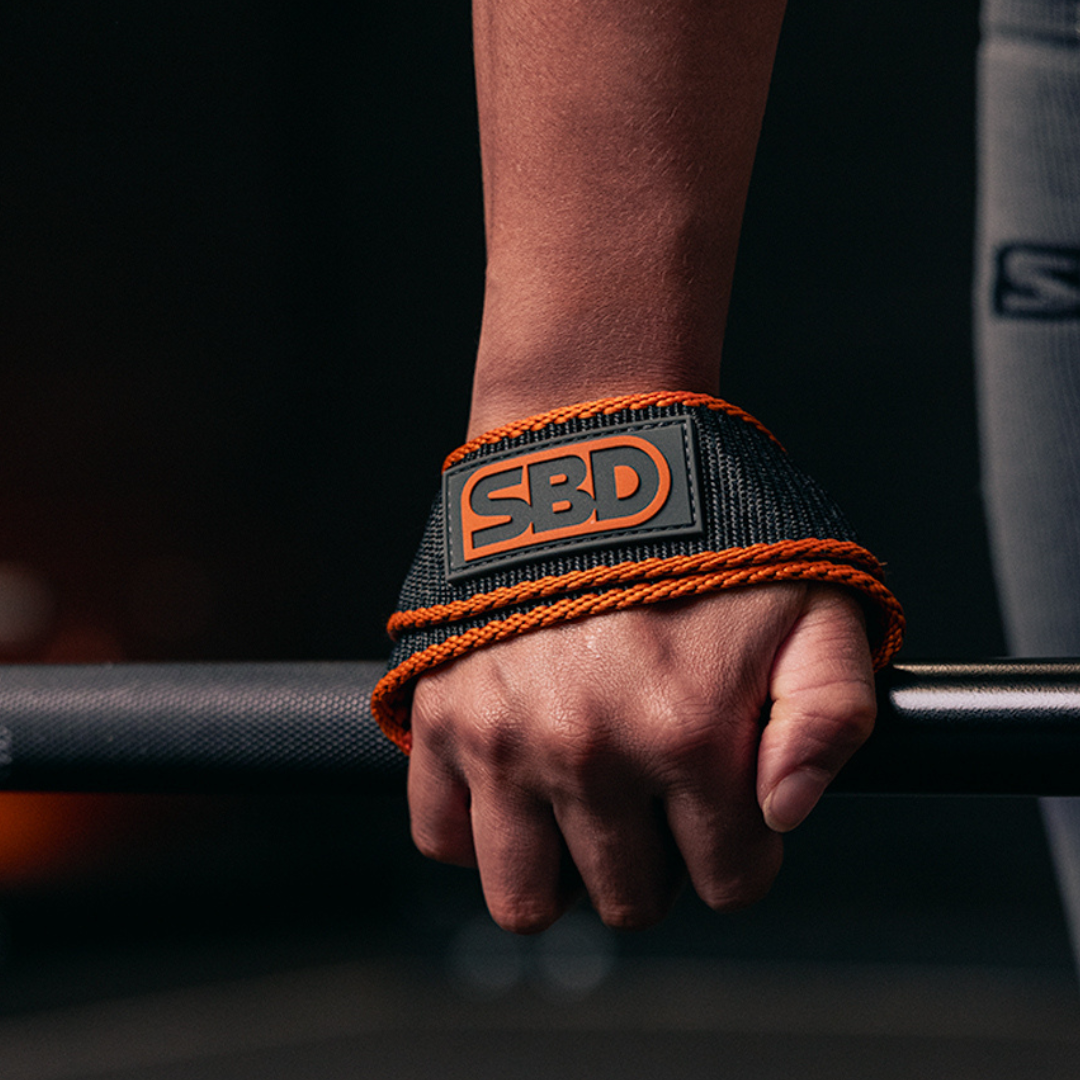
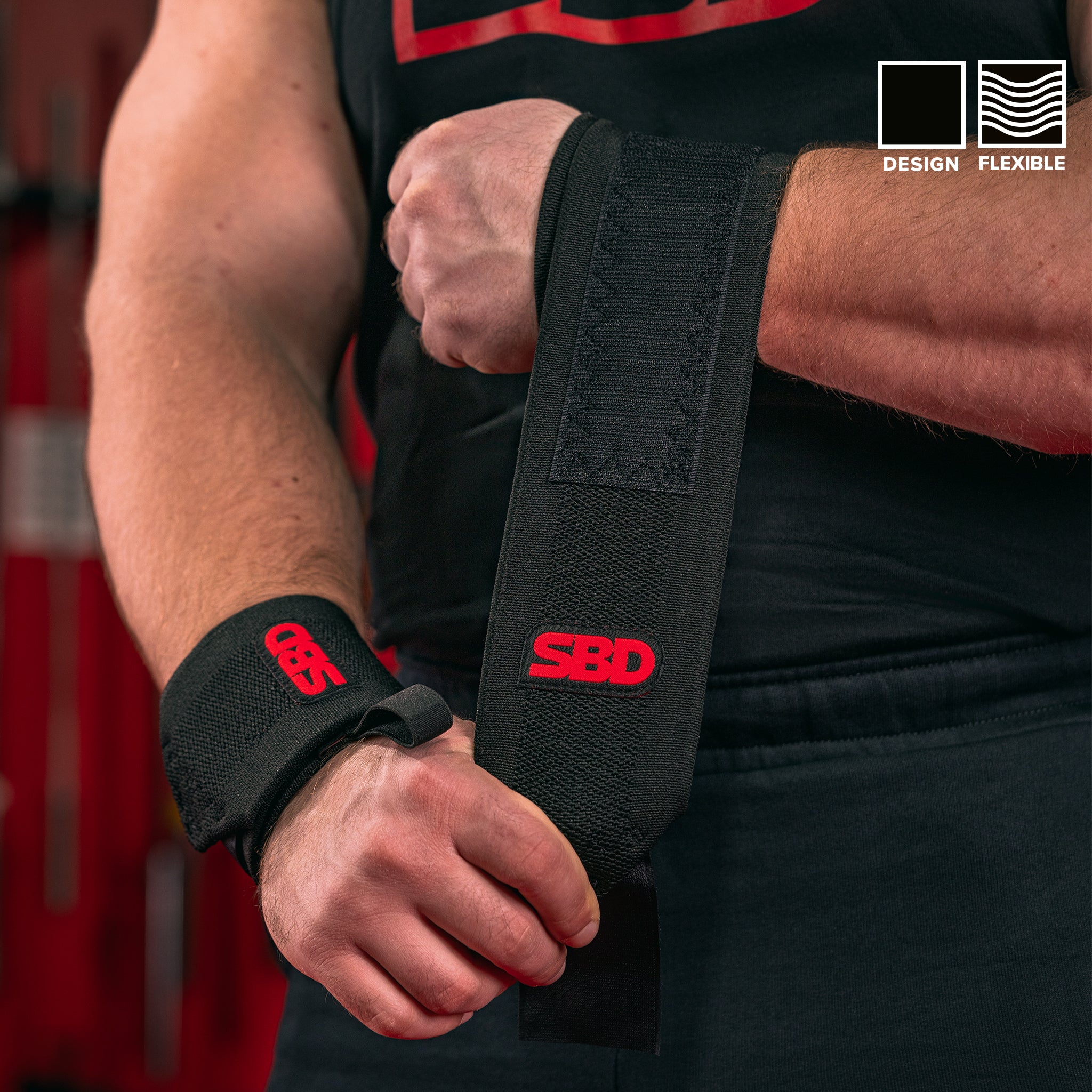
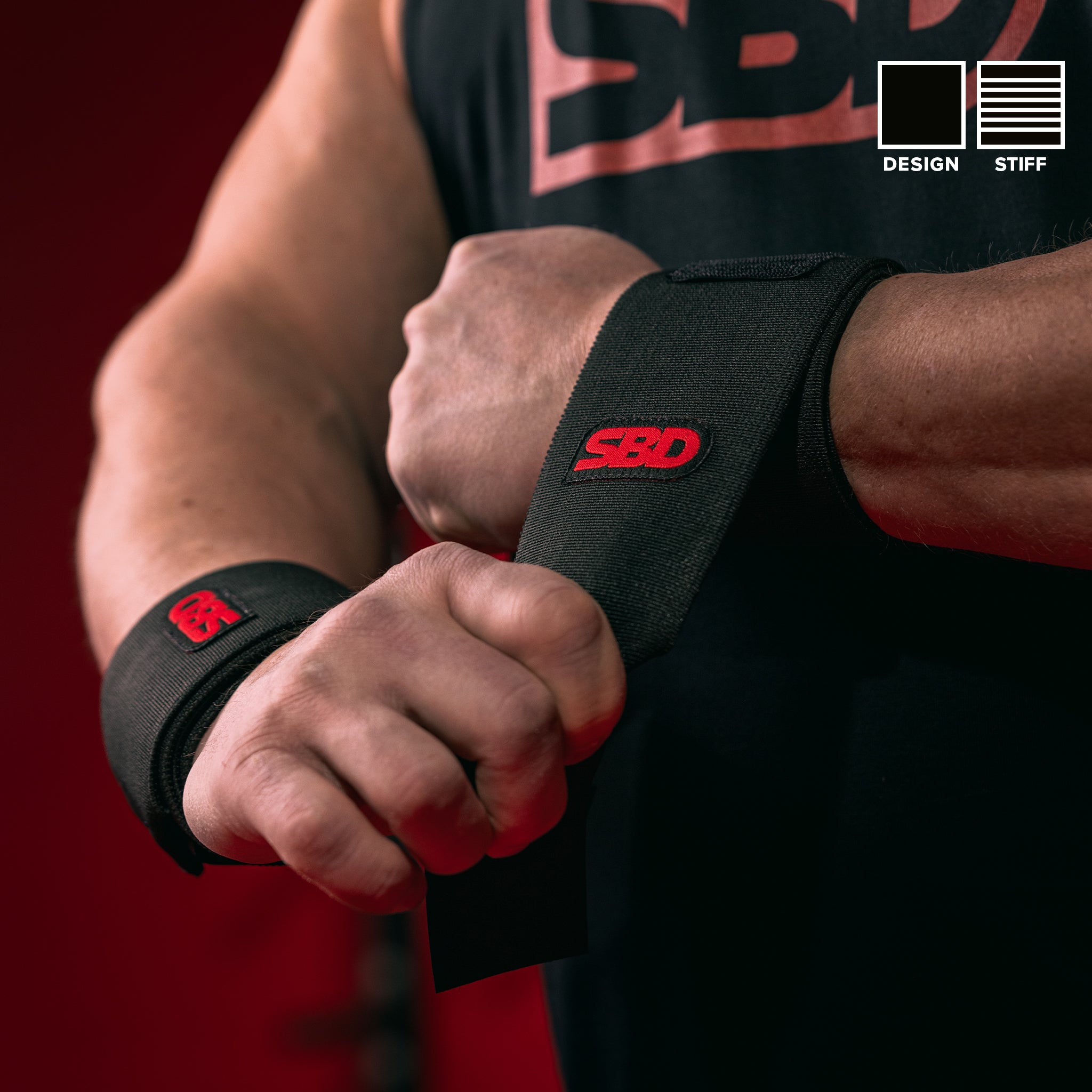
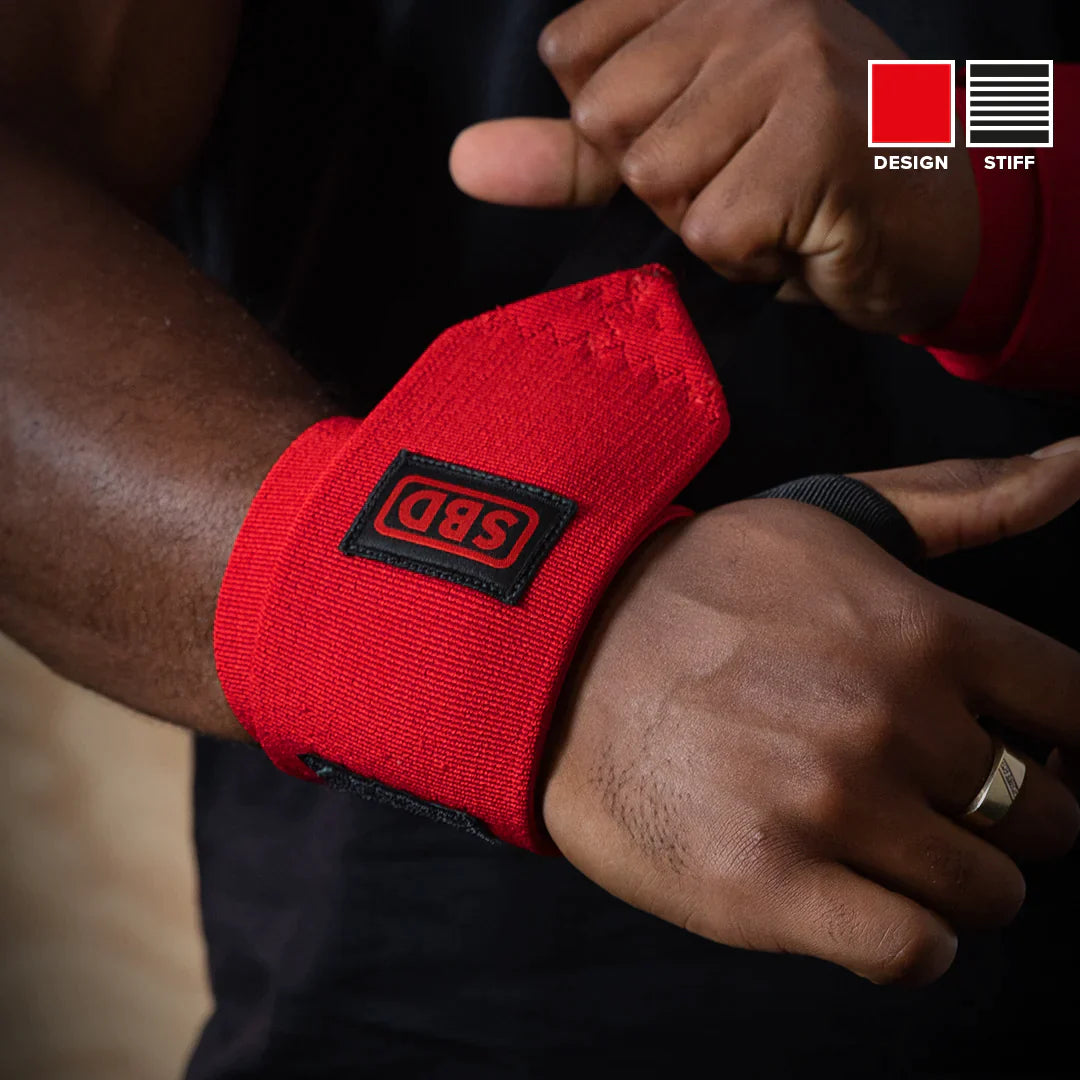
The SBD Ireland Weightlifting range includes lifting belts, knee sleeves, wrist wraps, lifting straps and weightlifting apparel for training and competition. If your diet supports your recovery, your gear should support your movement and confidence under the bar.
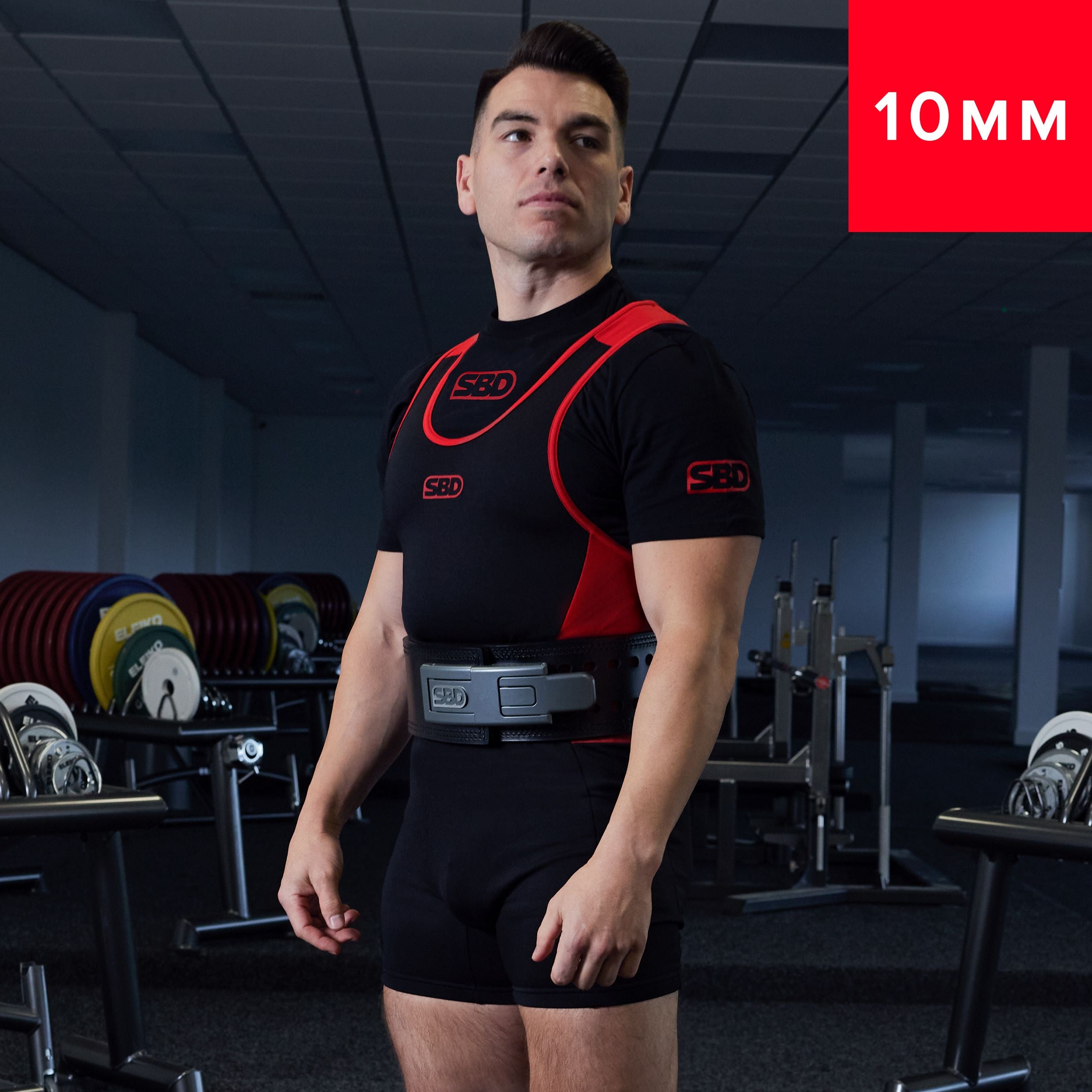
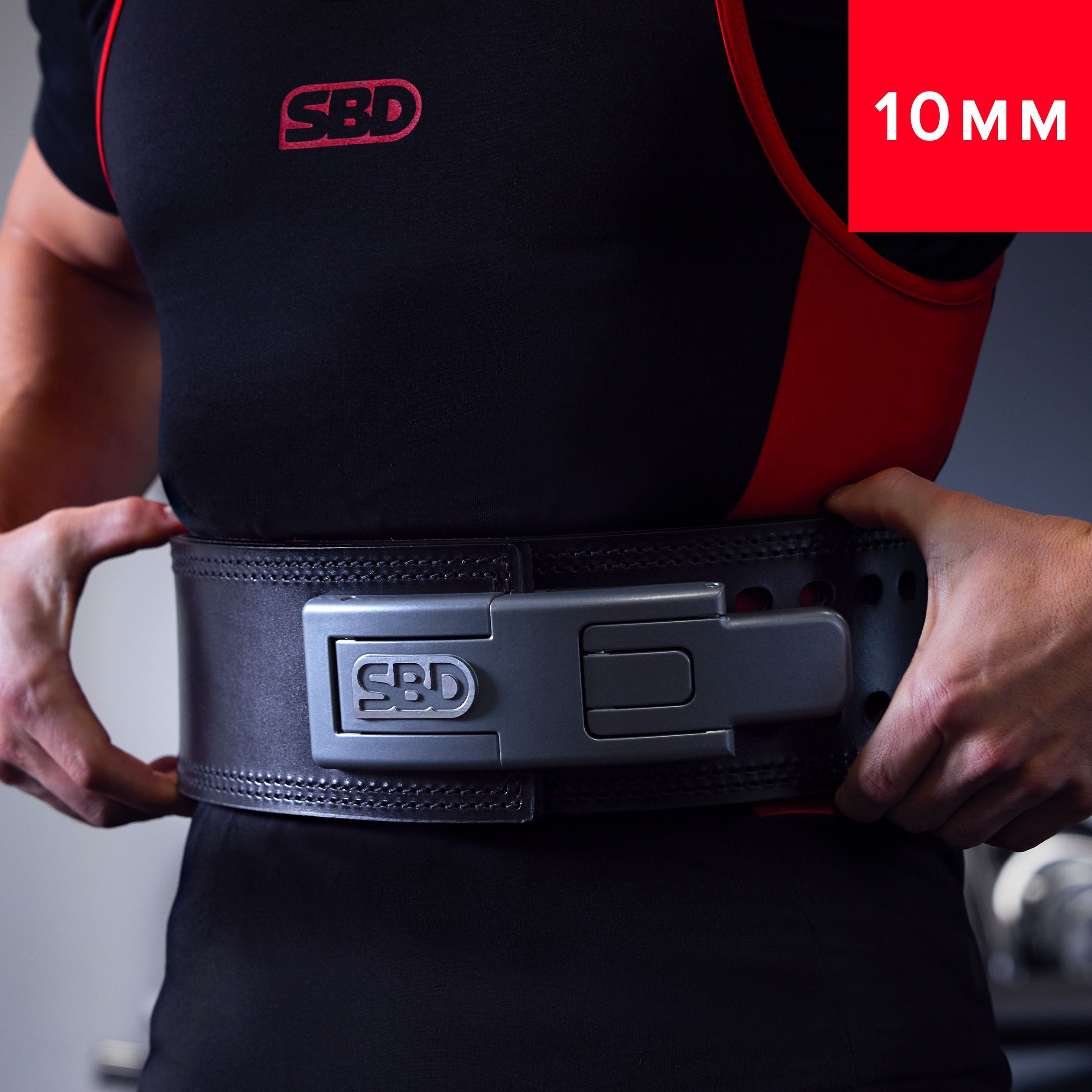
SBD Belt 10mm
As your squats, pulls and Olympic lifting work get heavier, a belt can help you brace more effectively. The SBD Belt 10mm is a versatile option for lifters who want support across strength work and weightlifting-focused sessions.
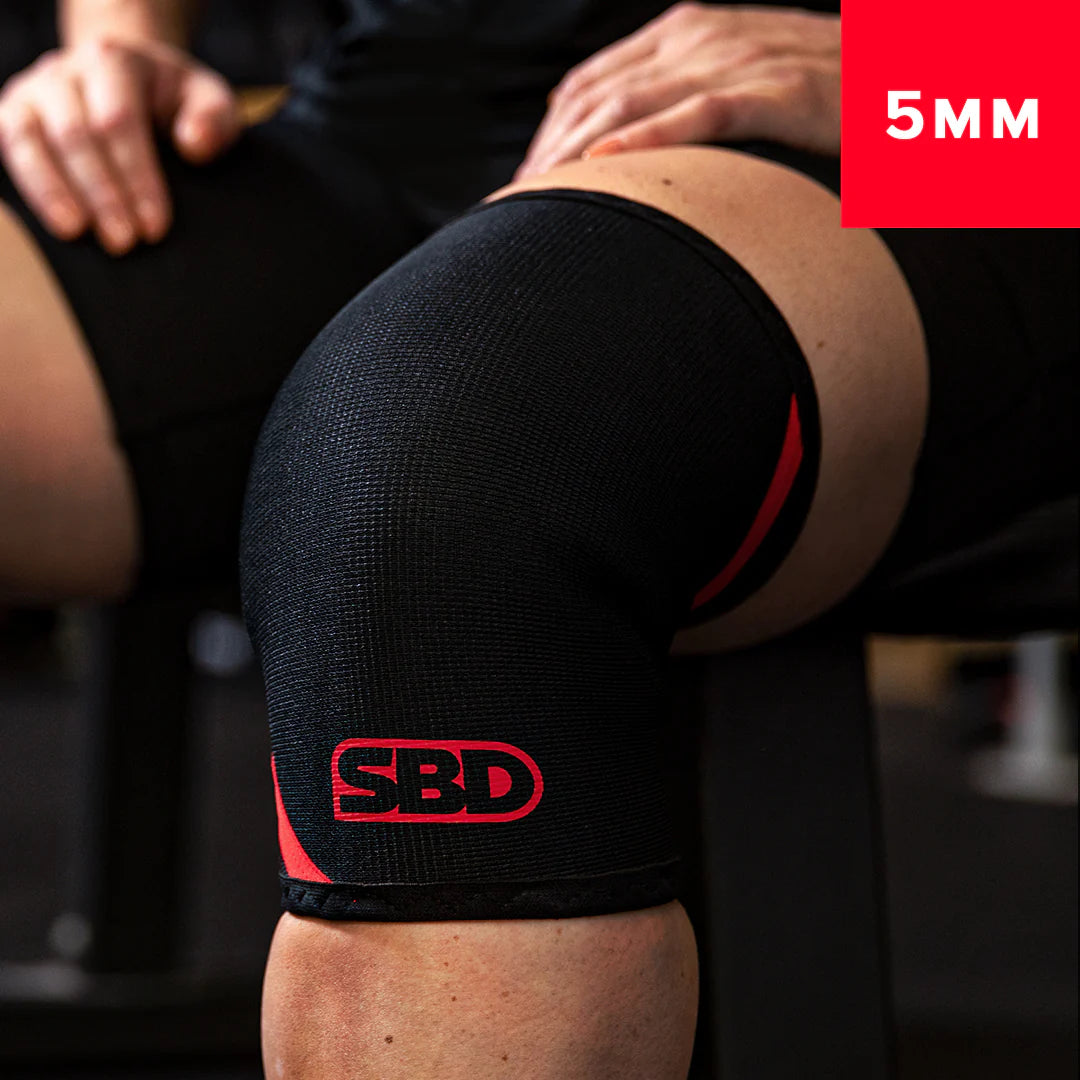
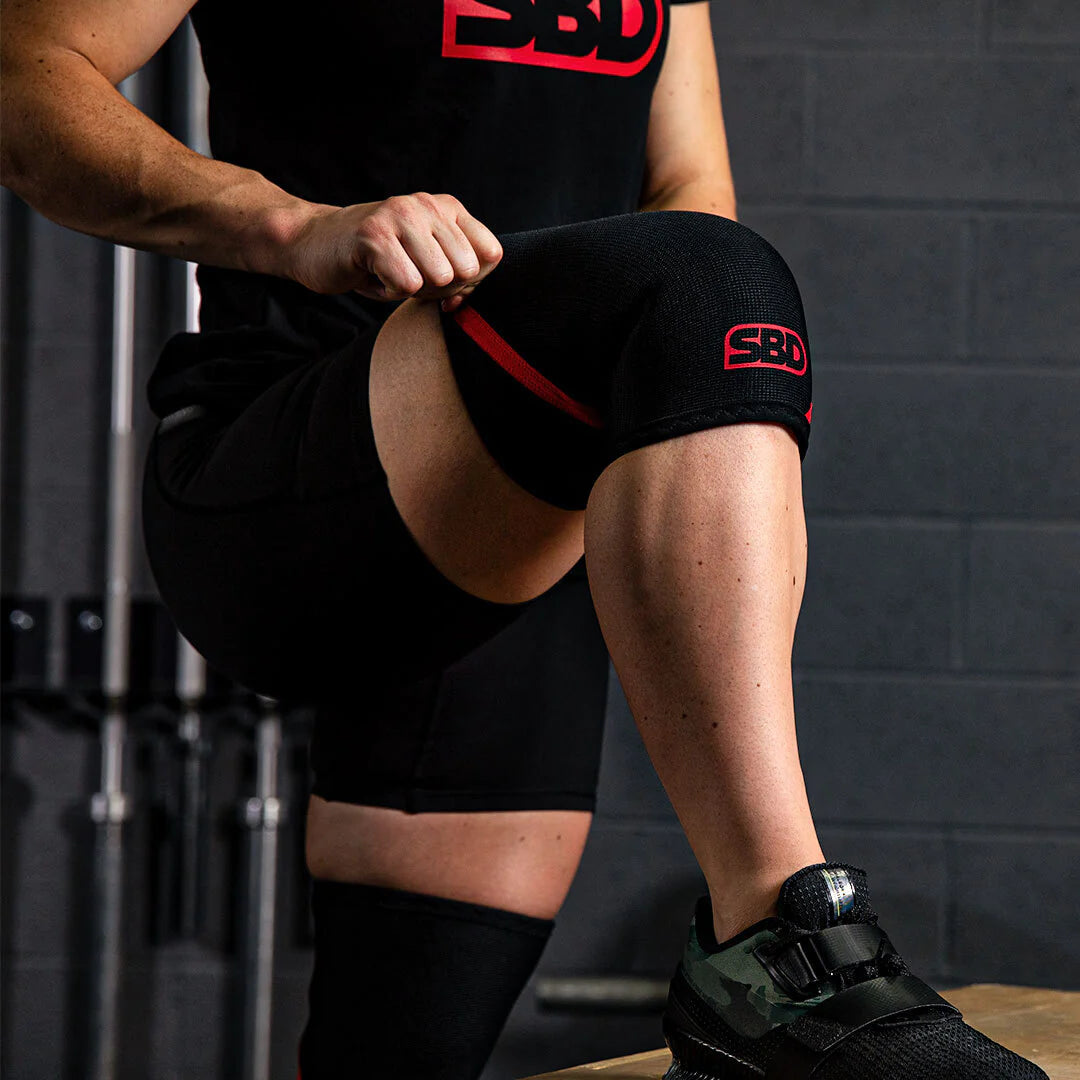
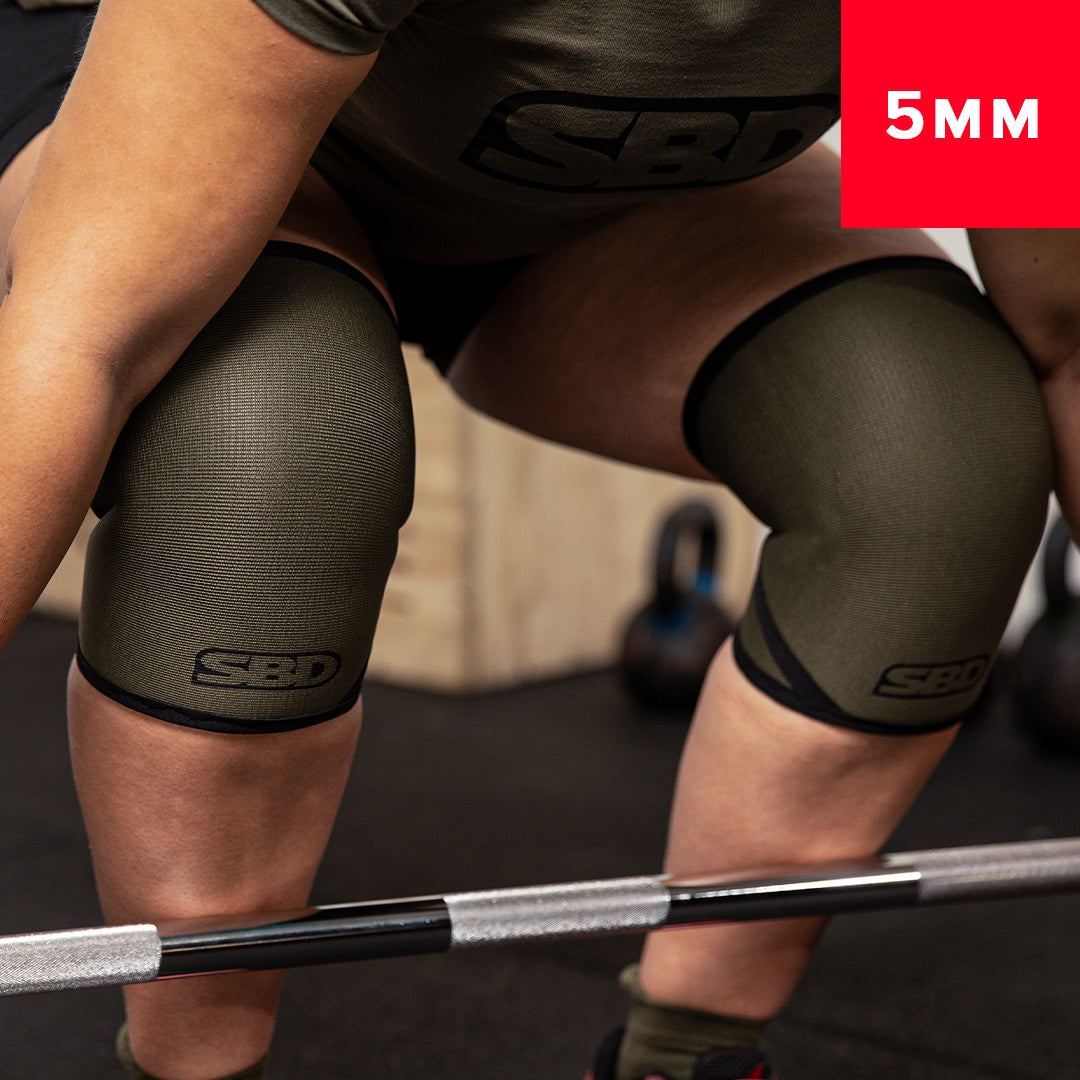
5mm Knee Sleeves
For squats, cleans, pulls and dynamic lower body training, SBD 5mm Knee Sleeves can provide warmth, compression and support while still allowing freedom of movement.
SBD Weightlifting Costume
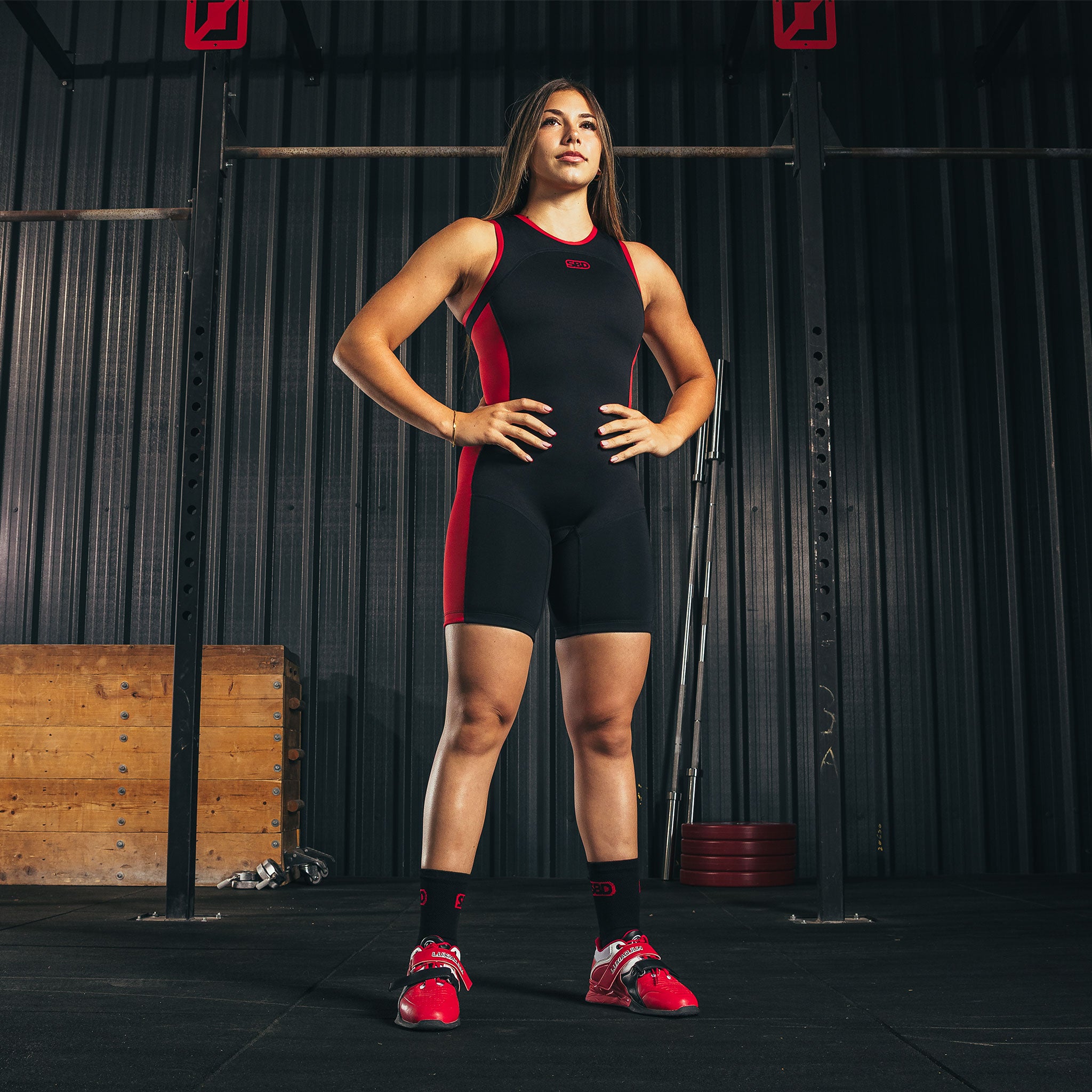
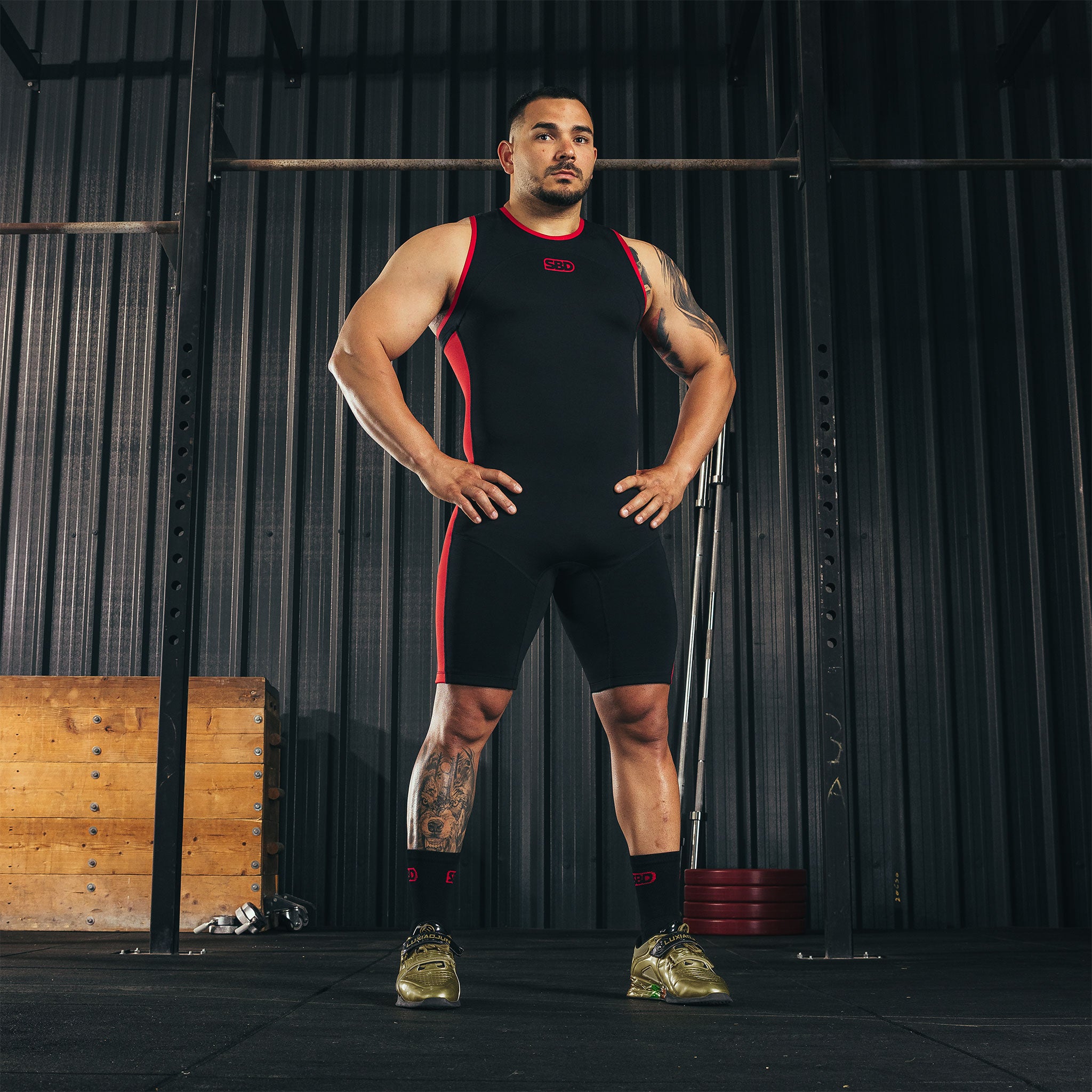
If you train Olympic lifts or plan to compete, the SBD Weightlifting Costume is designed for platform performance. A consistent diet, reliable training plan and suitable competition kit can all help you feel more prepared.
Beginner Weightlifting Gear
If you are still building your setup, read the Beginner’s Buying Guide to Weightlifting Gear. It explains the role of core pieces of kit so you can decide what to buy first and what can wait.
Common Weightlifting Diet Mistakes
Eating too little for your training
If you are training hard but not eating enough, you may feel tired, weak or slow to recover. Weightlifting needs fuel, especially when sessions include heavy squats, pulls and Olympic lifting.
Cutting carbohydrates too low
Carbohydrates are a key fuel source for hard training. If your sessions feel flat or your performance drops, look at whether you are eating enough carbs around training.
Not eating enough protein
Protein supports muscle repair and growth. Include a clear protein source at each main meal and use snacks to fill gaps if needed.
Overcomplicating supplements
Supplements can help, but they cannot replace consistent meals, sleep and training. Get the basics right before spending money on extras.
Changing everything at once
A good weightlifting diet should be sustainable. Start by improving one or two meals, then build from there.
Simple Weightlifting Diet Tips
- Eat protein at each main meal: This helps support recovery and muscle repair.
- Use carbs around training: They can help fuel hard sessions and support recovery afterwards.
- Do not fear fats: Include healthy fats in sensible portions.
- Drink regularly: Bring water to training and hydrate throughout the day.
- Keep meals repeatable: The best diet is one you can actually follow.
- Plan for busy days: Keep easy options like yoghurt, fruit, rice packs, eggs, wraps or protein snacks available.
FAQ: Weightlifting Diet
What is the best diet for weightlifting?
The best weightlifting diet is one that supports your training goal, recovery and long-term health. It should include enough calories, regular protein, training-supportive carbohydrates, healthy fats, fruit, vegetables and fluids.
Should weightlifters eat carbs?
Yes, carbohydrates are useful for weightlifters because they help fuel hard training. Squats, pulls, cleans, jerks and high-volume sessions can all benefit from enough carbohydrate intake.
How much protein do weightlifters need?
Protein needs vary depending on body size, training volume and goals. Most lifters should include protein with each main meal and consider protein-rich snacks if they struggle to meet their needs through meals alone.
What should I eat before weightlifting?
A good pre-training meal usually includes carbohydrates and protein. Examples include oats with yoghurt, chicken and rice, toast with eggs, or a banana and yoghurt if you need something lighter.
What should I eat after weightlifting?
After training, aim for a meal or snack with protein, carbohydrates and fluids. Examples include salmon with potatoes, chicken rice bowls, Greek yoghurt with fruit, or tofu stir-fry with noodles.
Can I lose fat while weightlifting?
Yes, but the approach should be controlled. Keep protein intake consistent, avoid extreme calorie cuts and try to maintain training quality. If you are cutting for competition or have health concerns, get professional guidance.
What gear should I use alongside my weightlifting diet?
Your diet supports recovery, while good gear supports training. Useful options include the SBD Belt 10mm, 5mm Knee Sleeves and apparel from the SBD Ireland Weightlifting range.
Final Thoughts
A good weightlifting diet is built on consistency, not perfection. Focus on eating enough to support your goal, include protein regularly, fuel hard sessions with carbohydrates, stay hydrated and recover properly between sessions.
Once the basics are in place, you can refine your approach based on performance, bodyweight trends, recovery and competition needs. To support your training setup, explore the SBD Ireland Weightlifting range, including the SBD Belt 10mm, 5mm Knee Sleeves and SBD Weightlifting Costume.