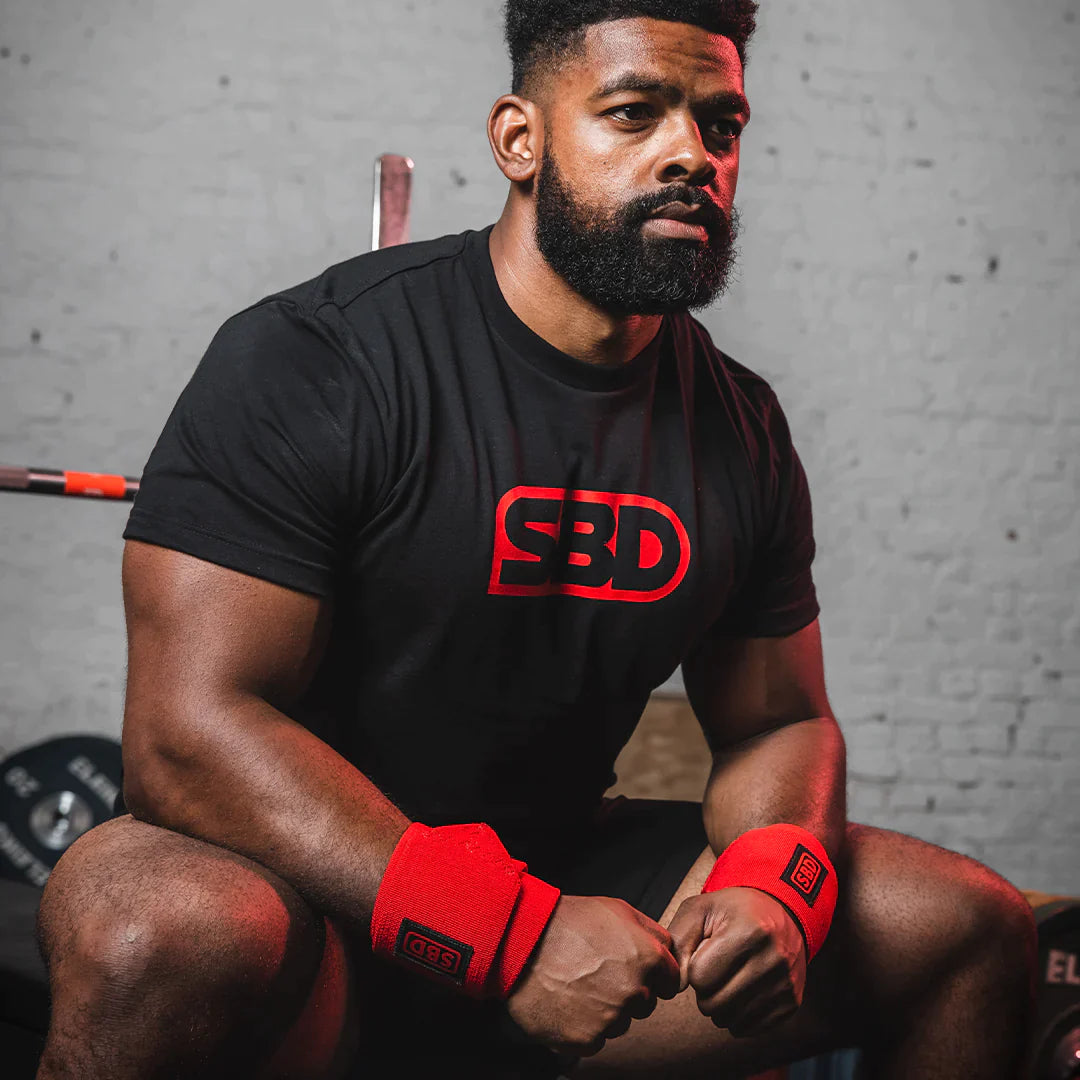


Strong legs are essential for weightlifting. Whether you are working on your clean, jerk, snatch, squat or general strength, the right lower body exercises can help you build power, stability and confidence under the bar.
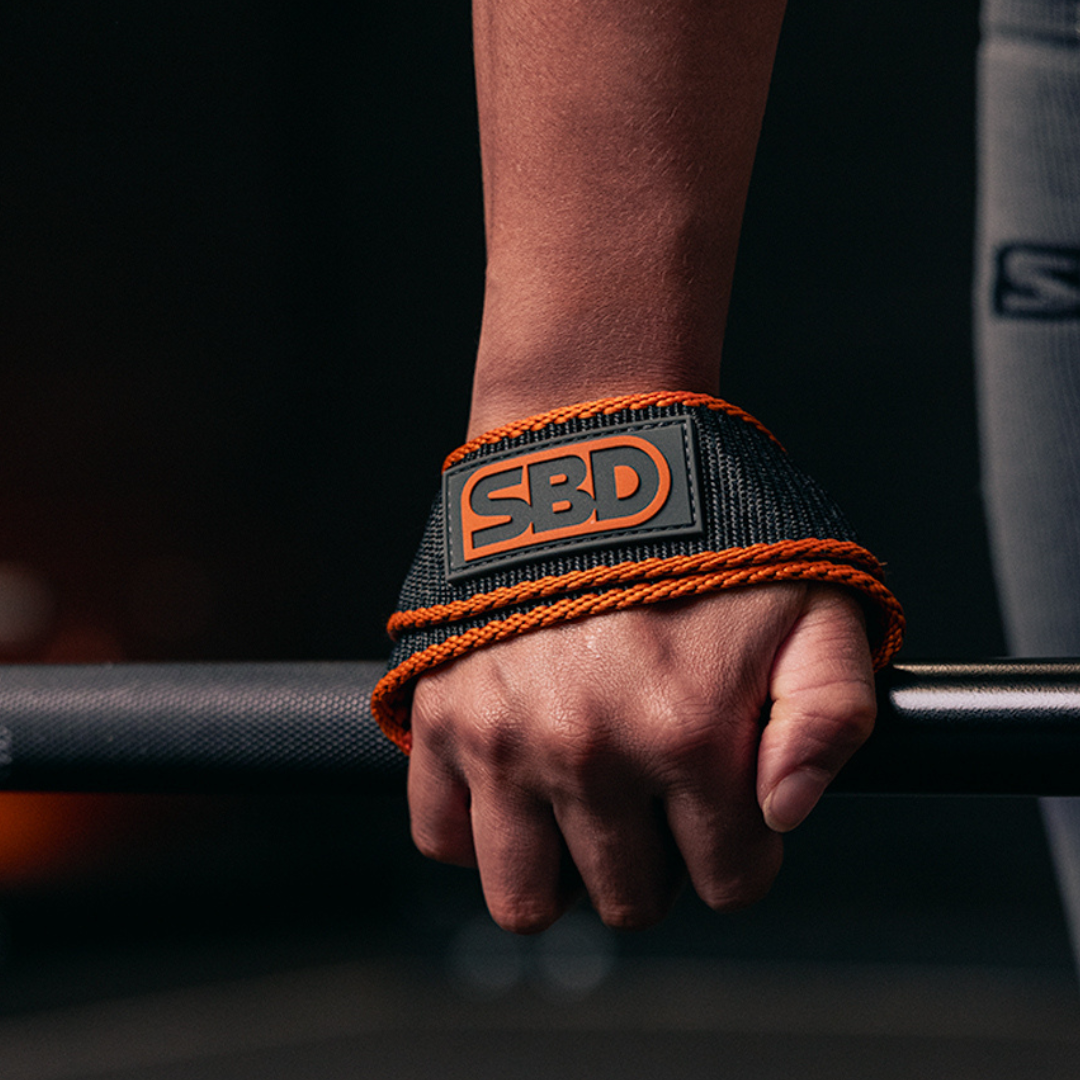
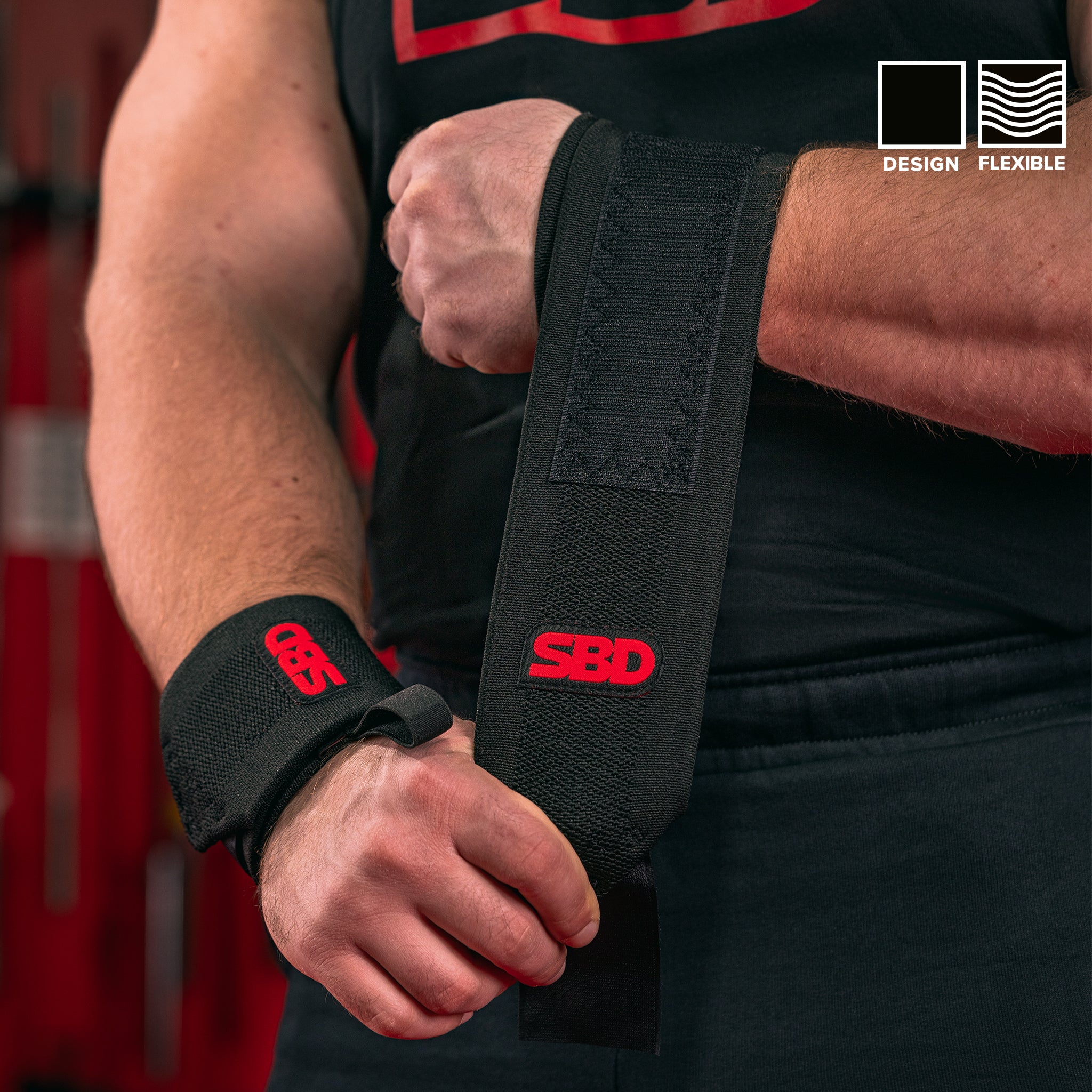
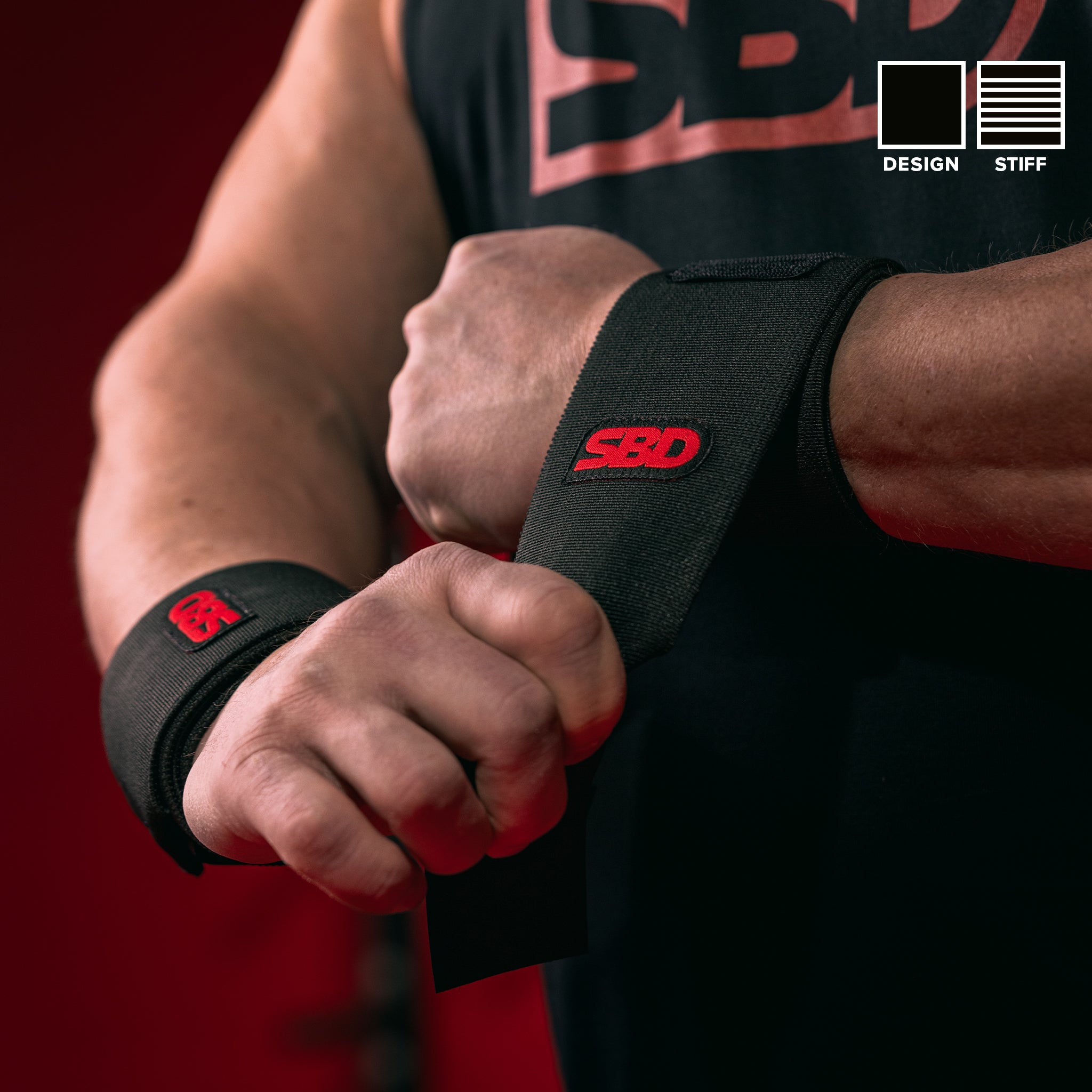
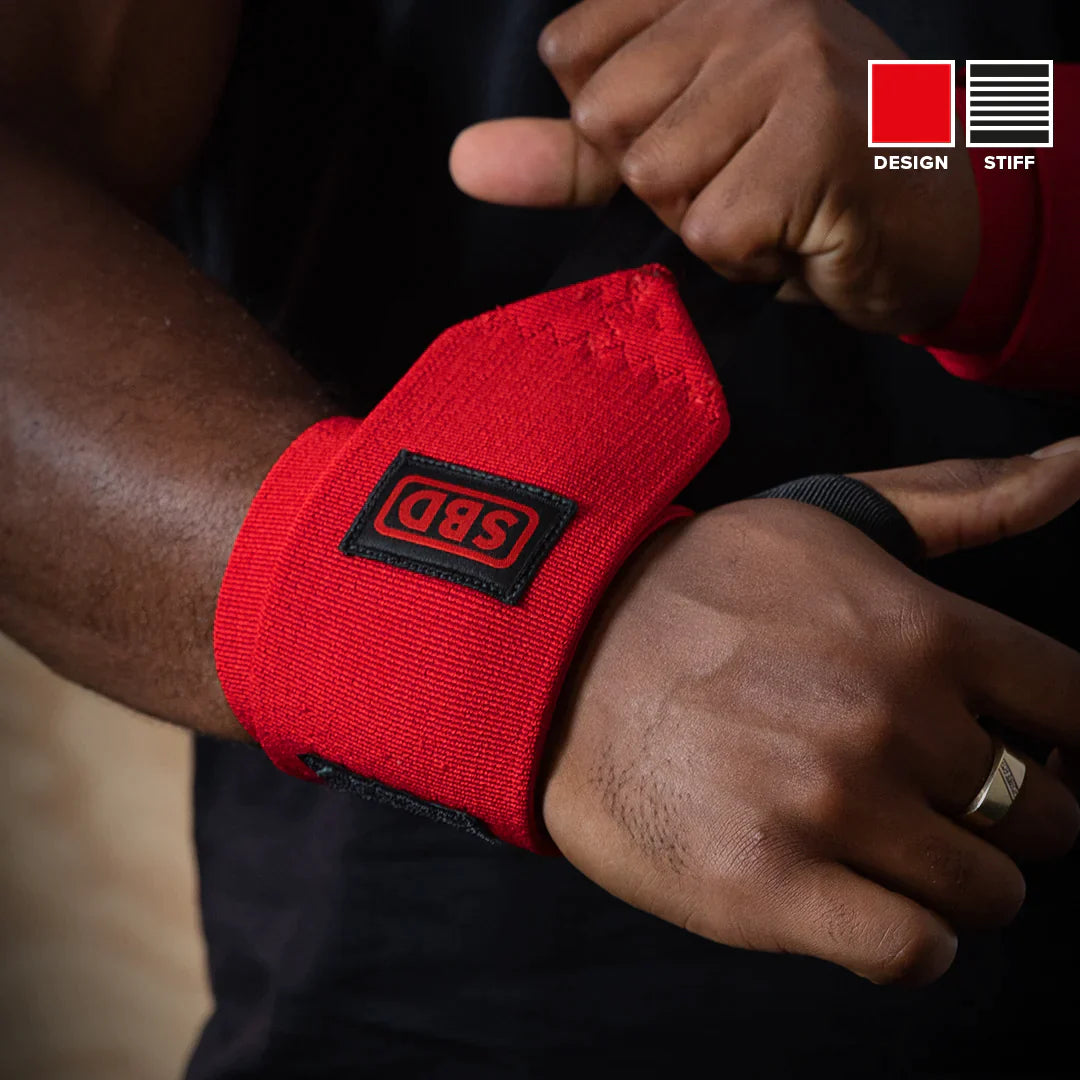
This guide covers the best weightlifting leg exercises to include in your training, how each movement helps, and how to structure your sessions. If you are building your weightlifting kit alongside your programme, you can explore the full SBD Ireland Weightlifting range for belts, knee sleeves, wrist wraps, lifting straps and competition apparel.

Why Leg Strength Matters in Weightlifting
Weightlifting is not just about pulling the bar from the floor. The legs drive the lift, receive the bar, stabilise the catch and help you stand up with heavy weights. Strong legs support almost every major phase of Olympic lifting and strength training.
Good leg training can help improve your squat strength, pulling power, receiving position and balance. It can also make your training more consistent because you are building the foundation needed for heavier lifts.
Quick Answer: What Are the Best Weightlifting Leg Exercises?
The best weightlifting leg exercises include back squats, front squats, clean pulls, snatch pulls, Romanian deadlifts, lunges, split squats, step-ups, paused squats and jump variations. These movements help develop strength, power, balance, positioning and control.
| Exercise | Main Benefit | Best For |
|---|---|---|
| Back squat | Builds overall leg strength | Squat strength, clean recovery and general lower body power |
| Front squat | Improves upright posture and quad strength | Cleans, jerks and receiving positions |
| Clean pull | Builds leg drive and pulling strength | Clean development and bar speed |
| Snatch pull | Develops explosive extension | Snatch strength and power |
| Romanian deadlift | Strengthens hamstrings and glutes | Posterior chain strength and pulling positions |
| Split squat | Improves single-leg strength and stability | Balance, control and injury-resistant training |
1. Back Squat
The back squat is one of the most important weightlifting leg exercises because it builds overall lower body strength. It targets the quads, glutes, hamstrings and trunk, making it useful for general strength and heavier lifting.
For weightlifters, a stronger back squat can help improve your ability to stand up from heavy cleans and maintain leg strength through demanding training blocks. It also gives you a clear way to build lower body strength progressively over time.
Back Squat Tips
- Keep your whole foot connected to the floor.
- Brace before each rep and stay tight through the descent.
- Control the lowering phase instead of dropping into the bottom.
- Drive up strongly while keeping the bar path steady.
2. Front Squat
The front squat is especially important for Olympic weightlifting because it closely matches the receiving and recovery position of the clean. It trains the quads, upper back, core and posture needed to stay upright under load.
If your cleans collapse forward or you struggle to stand up after receiving the bar, front squats should be a regular part of your programme. They help build strength in the exact position you need for clean recovery.
| Front Squat Focus | Why It Helps | Training Tip |
|---|---|---|
| Upright torso | Helps with clean recovery | Keep elbows high and brace hard before descending |
| Quad strength | Supports standing up from the catch | Use controlled reps and full depth where possible |
| Core stability | Prevents folding forward under load | Breathe into your brace and stay tall through the lift |
3. Clean Pull
The clean pull builds strength and power through the legs, hips and back. It teaches you to push hard through the floor while keeping the bar close and maintaining strong positions.
This is one of the most useful weightlifting leg exercises for improving your clean because it lets you train the pull with heavier loads or more focused technique than the full lift. The goal is not to turn the pull into a slow deadlift. The goal is to drive powerfully while keeping the movement connected to your clean.
Clean Pull Tips
- Start with the same setup you use for your clean.
- Push through the legs rather than yanking with the arms.
- Keep the bar close as it passes the knees.
- Finish tall with strong leg and hip extension.
4. Snatch Pull
The snatch pull develops explosive leg drive and extension for the snatch. Because the grip is wider, it challenges your start position, back angle and balance in a slightly different way from the clean pull.
Snatch pulls are useful for lifters who need more confidence from the floor, better bar speed or stronger extension. They can be performed from the floor, from blocks or from the hang depending on the training goal.
5. Romanian Deadlift
The Romanian deadlift, often called the RDL, is a valuable lower body accessory movement for weightlifters. It strengthens the hamstrings, glutes and lower back while improving control through the hip hinge.
RDLs are especially useful because they build posterior chain strength without needing the same level of technical complexity as the full Olympic lifts. They can support better pulling positions and help develop the strength needed to stay tight from the floor.
Romanian Deadlift Tips
- Keep a soft bend in the knees.
- Push the hips back while keeping the bar close.
- Maintain a strong back position throughout the lift.
- Focus on control rather than rushing the movement.
6. Split Squat
Split squats are excellent for building single-leg strength, balance and stability. They can also help address differences between sides, which is useful for lifters who feel uneven during squats, pulls or receiving positions.
You can perform split squats with dumbbells, a barbell, bodyweight or a front rack position. For weightlifting, they are especially useful as an accessory exercise after your main lifts.
7. Walking Lunges
Walking lunges build leg strength, balance and muscular endurance. They are a practical option for developing the quads, glutes and hips while also challenging control through each step.
Lunges can be included after squats or pulls as a higher-rep accessory exercise. They are also useful when you want to add lower body volume without always loading the spine heavily.
8. Step-Ups
Step-ups are simple but effective. They build single-leg strength and help develop control through the foot, knee and hip. For weightlifters, this can support better balance and lower body coordination.
Use a box height that allows you to control the movement. Avoid pushing too much from the back leg. The working leg should do most of the effort.
9. Paused Squats
Paused squats are one of the best exercises for building strength and control in the bottom position. By pausing at depth, you remove the bounce and force your legs and trunk to stay tight.
This can be especially helpful for lifters who lose position in the bottom of a clean or struggle to stay controlled during heavy squats. Paused front squats and paused back squats both have a place in a weightlifting programme.
10. Jump Squats and Power Variations
Jump squats and other power-focused movements can help develop explosive leg drive. These exercises should usually be performed with light loads and high intent rather than heavy weights.
For weightlifters, power matters because you need to accelerate the bar and move quickly under it. Jump variations can be useful in small doses, especially when included as part of a power or speed-focused block.
Best Weightlifting Leg Exercises by Goal
| Goal | Best Exercises | Why They Help |
|---|---|---|
| Build squat strength | Back squat, front squat, paused squat | Develops leg strength and control under heavy load |
| Improve clean recovery | Front squat, paused front squat, clean pull | Builds strength in clean-specific positions |
| Improve pulling power | Clean pull, snatch pull, Romanian deadlift | Strengthens the legs, hips and back through the pull |
| Improve balance | Split squat, walking lunge, step-up | Builds single-leg control and stability |
| Build explosive power | Jump squat, power clean, power snatch | Trains speed, extension and force production |
How to Structure a Weightlifting Leg Day
A good weightlifting leg day should usually start with the most technical or demanding movement first. Olympic lifts and heavy squats require focus, speed and coordination, so they should come before accessory exercises.
After your main lift, move into strength work such as squats or pulls. Finish with accessory exercises like split squats, RDLs, lunges or core work.
| Training Order | Exercise Type | Example |
|---|---|---|
| 1 | Technical lift | Clean and jerk, snatch or power variation |
| 2 | Main strength lift | Front squat or back squat |
| 3 | Pulling strength | Clean pull, snatch pull or Romanian deadlift |
| 4 | Accessory work | Split squats, lunges or step-ups |
| 5 | Core and stability | Planks, carries or bracing drills |
Sample Weightlifting Leg Workout
Here is a simple lower body session for lifters who want to build strength and support Olympic lifting performance.
| Exercise | Sets | Reps | Focus |
|---|---|---|---|
| Clean pull | 4 | 3 | Powerful leg drive and bar position |
| Front squat | 5 | 3 | Clean recovery and upright posture |
| Romanian deadlift | 3 | 6 to 8 | Hamstrings, glutes and posterior chain |
| Bulgarian split squat | 3 | 8 each leg | Single-leg strength and stability |
| Core brace hold | 3 | 30 to 45 seconds | Trunk stability and bracing control |
Useful Gear for Weightlifting Leg Exercises
The right equipment can help make lower body training feel more secure and consistent. It should support your movement without replacing good technique.
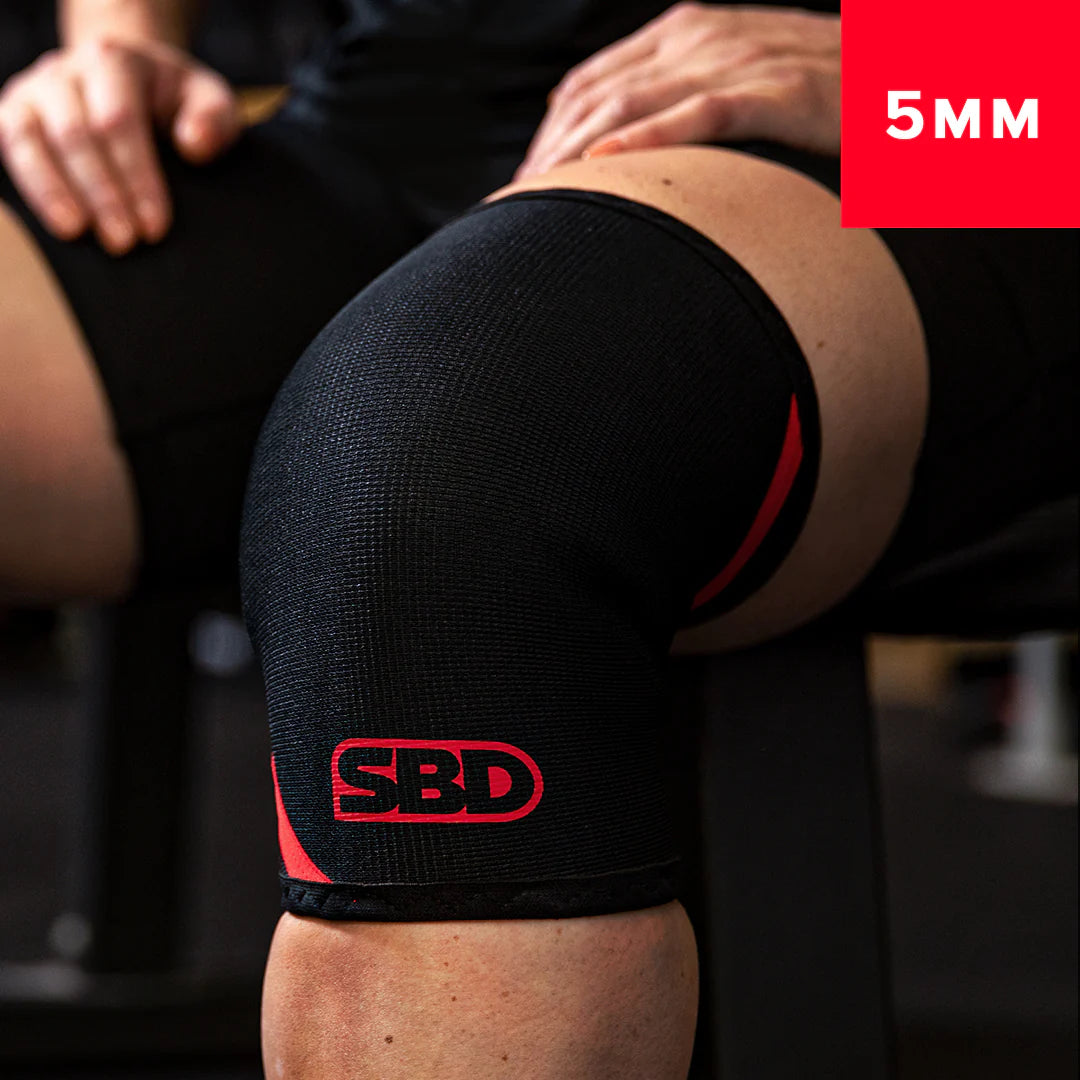
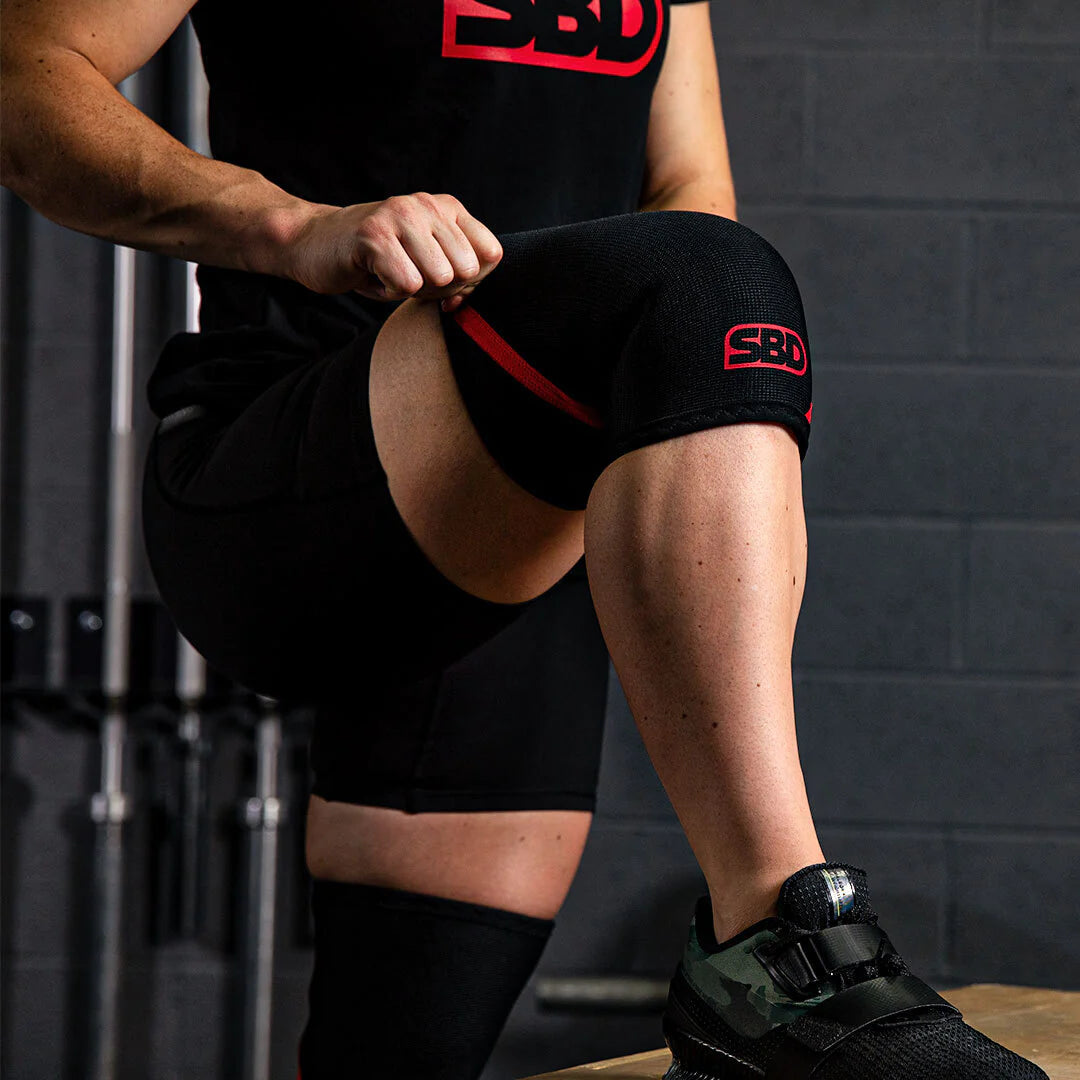
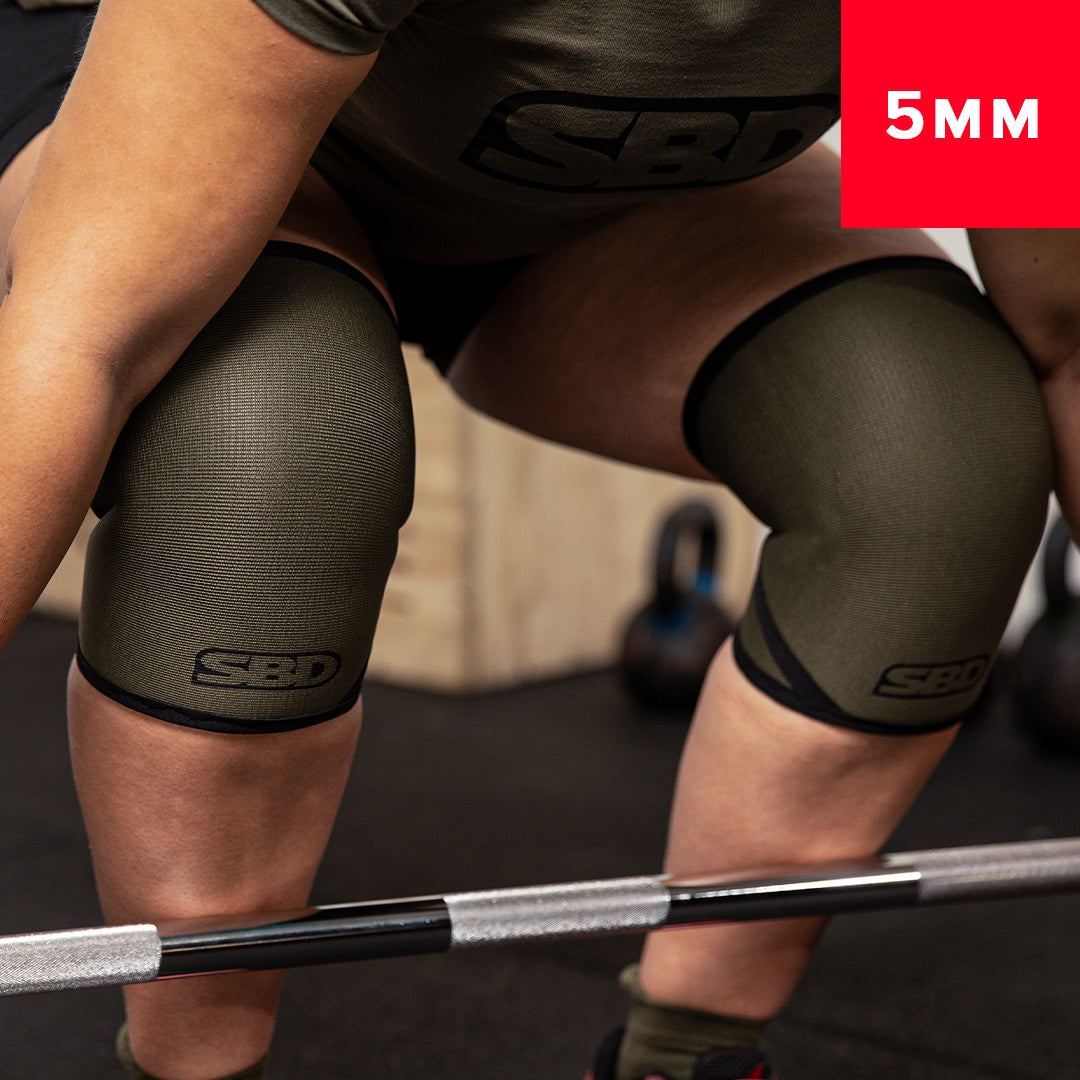
5mm Knee Sleeves
For squats, cleans, pulls and dynamic lower body work, SBD 5mm Knee Sleeves are a practical choice. They provide warmth, compression and support while still allowing freedom of movement, which is useful for Olympic lifting and general strength training.
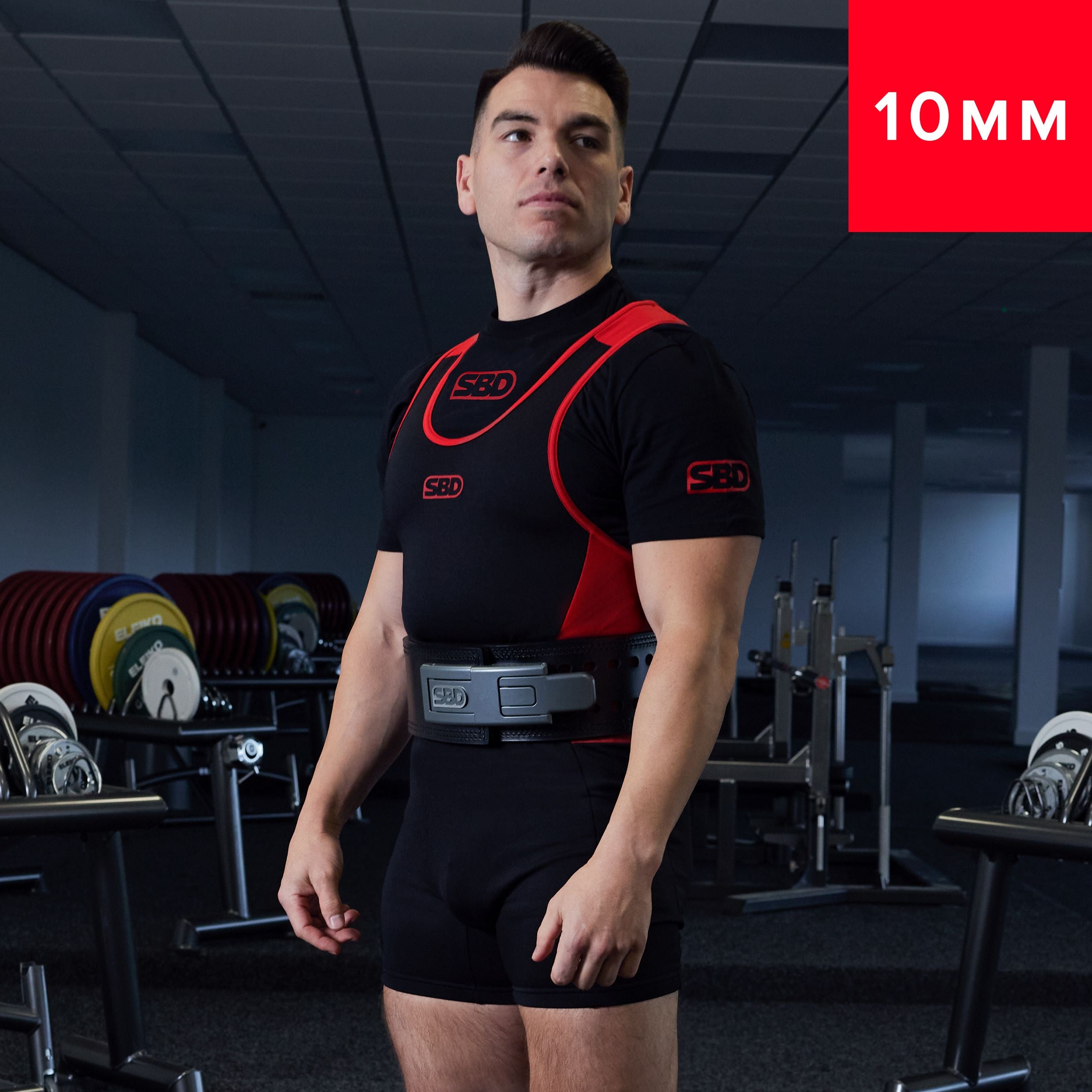
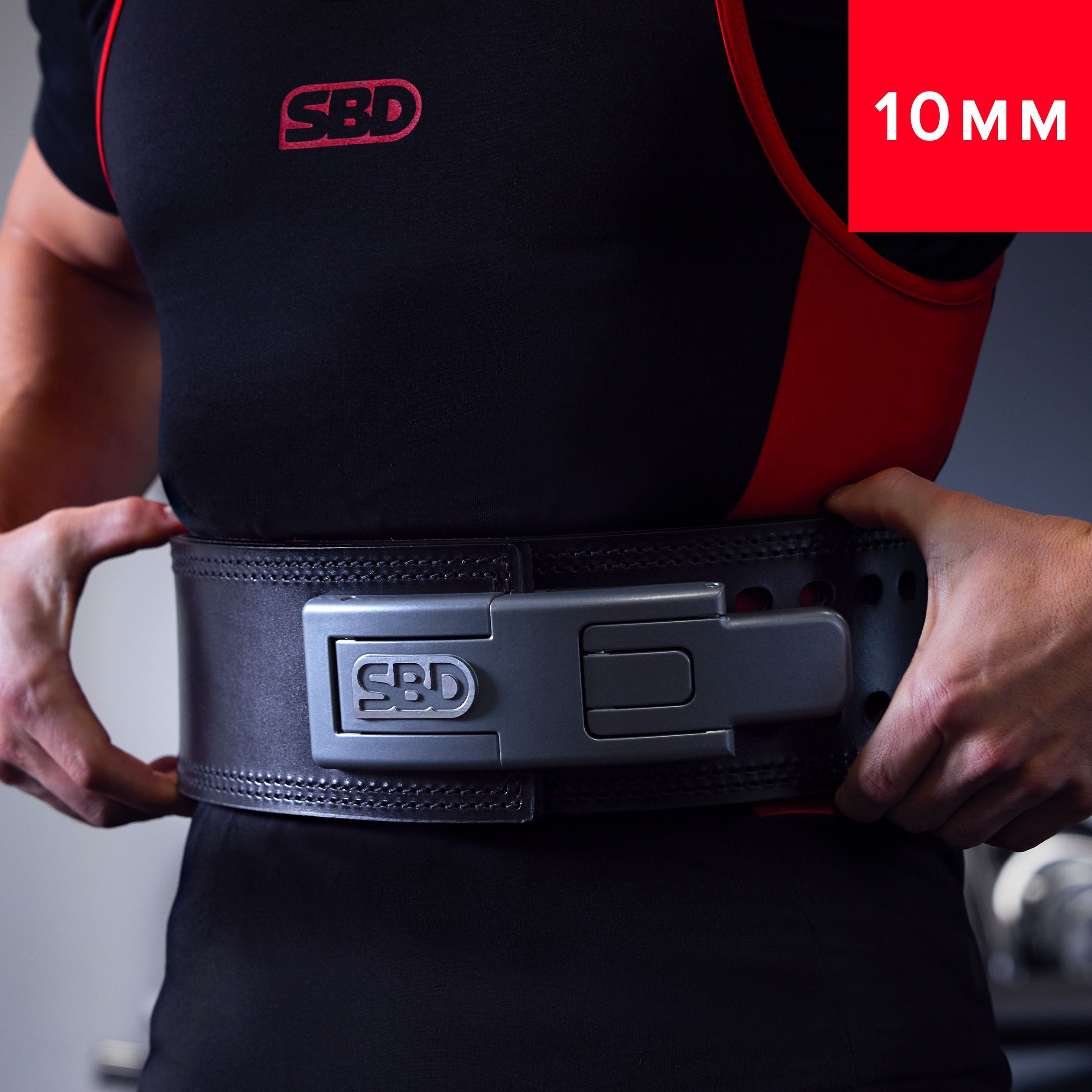
SBD Belt 10mm
As your squats and pulls get heavier, a belt can help you brace more effectively. The SBD Belt 10mm is a strong option for lifters who want support, comfort and versatility across lower body strength work and weightlifting-focused training.
SBD Weightlifting Costume
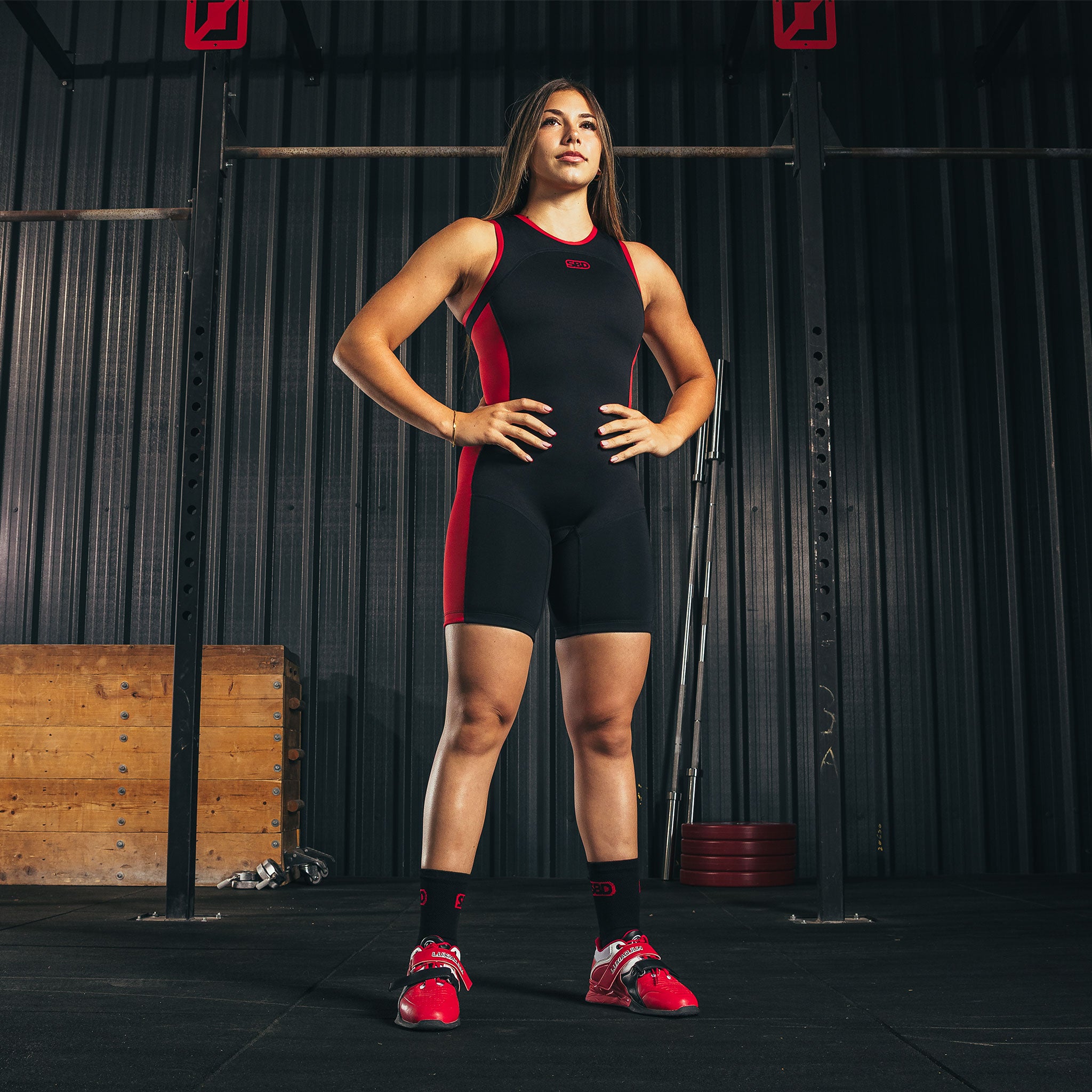
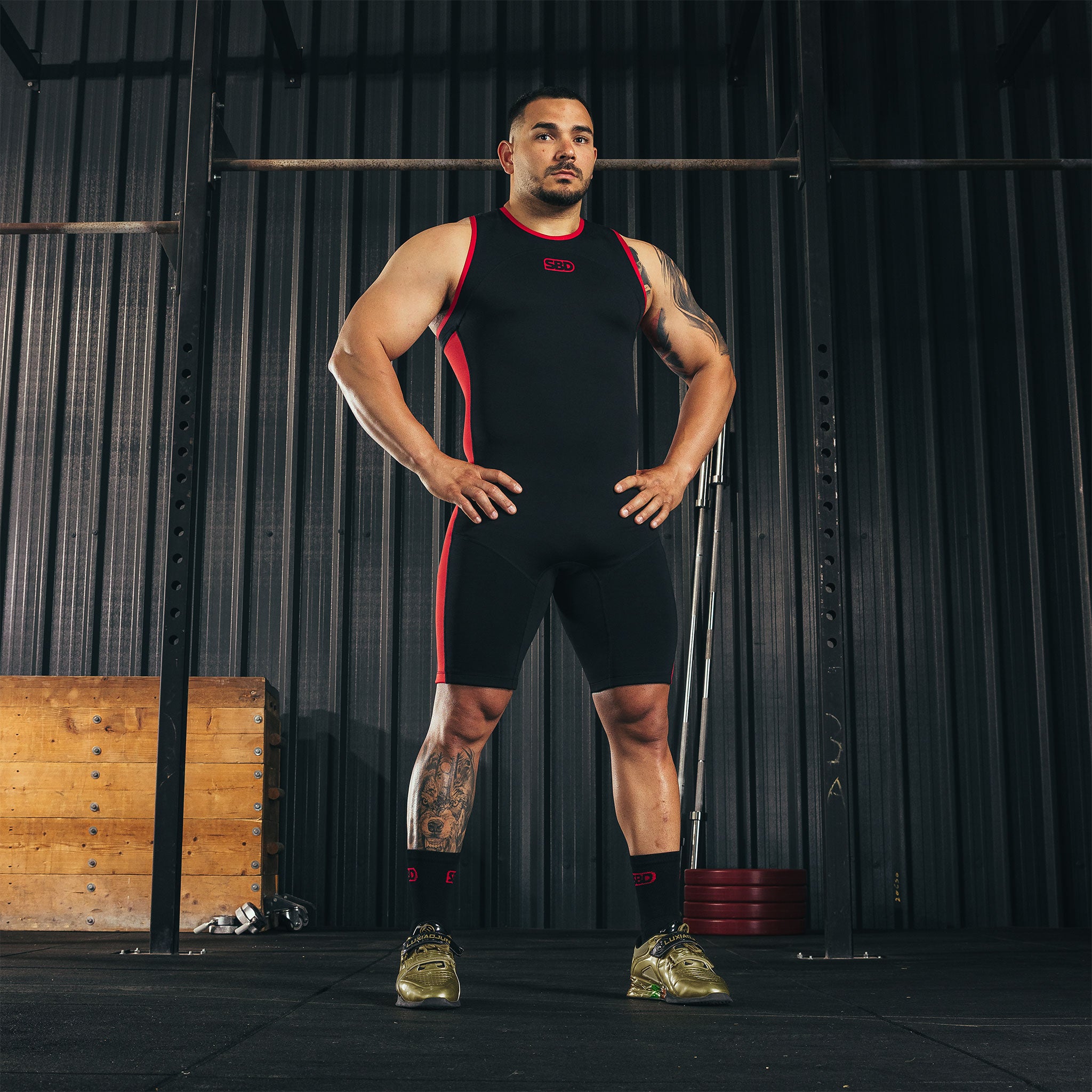
If you train Olympic lifts or plan to compete, the SBD Weightlifting Costume is designed for platform performance. It is built to support freedom of movement through squats, pulls, cleans, jerks and snatches.
Beginner Weightlifting Gear
If you are still deciding what equipment you need, the Beginner’s Buying Guide to Weightlifting Gear is a helpful starting point. It explains the role of key pieces of kit so you can build your setup gradually.
How Often Should You Train Legs for Weightlifting?
Most weightlifting programmes include lower body work several times per week because squats, pulls and Olympic lifts all rely heavily on the legs. However, not every session needs to be maximal or high volume.
A beginner might train lower body strength two to three times per week, while a more experienced weightlifter may squat, pull or perform Olympic lifts more frequently. The key is to balance hard training with recovery.
| Experience Level | Lower Body Training Frequency | Example Focus |
|---|---|---|
| Beginner | 2 days per week | Basic squats, hinges, lunges and technique work |
| Intermediate | 3 days per week | Squats, pulls, Olympic lift variations and accessories |
| Advanced | 3 to 5 days per week | Specific squat, pull and competition lift programming |
Common Mistakes With Weightlifting Leg Exercises
Going too heavy too soon
Heavy weights are useful, but only when you can control them. Build technique, positions and consistency before pushing load aggressively.
Skipping single-leg work
Squats and pulls are important, but single-leg exercises help build balance and stability. Split squats, lunges and step-ups can support more complete lower body development.
Ignoring mobility
Weightlifting requires good positions. If your ankles, hips or thoracic spine are restricted, your squats and receiving positions may suffer. Include warm-ups and mobility work that support the positions you need.
Using equipment as a shortcut
Belts and knee sleeves can be very useful, but they should not replace proper technique. Use gear to support good movement, not cover up poor positions.
Doing too many hard leg sessions
More is not always better. If your legs are constantly fatigued, your technique, speed and recovery can suffer. Plan hard sessions carefully and give your body time to adapt.
Weightlifting Leg Exercise Tips for Better Results
- Prioritise quality reps: Every rep should reinforce good positions.
- Use full range where appropriate: Weightlifting rewards strong, controlled deep positions.
- Train both strength and speed: Heavy squats build strength, while pulls and power variations build explosiveness.
- Track your progress: Record your sets, reps and weights so you can progress gradually.
- Recover properly: Sleep, food, hydration and rest days all affect lower body performance.
FAQ: Weightlifting Leg Exercises
What are the best leg exercises for weightlifting?
The best leg exercises for weightlifting include back squats, front squats, clean pulls, snatch pulls, Romanian deadlifts, split squats, lunges and paused squats. These movements build strength, power, stability and control.
Are squats enough for weightlifting legs?
Squats are essential, but they are not the only exercise you need. Pulls, hinges, single-leg work and accessory movements can help build a stronger and more balanced lower body.
How often should weightlifters squat?
Many weightlifters squat multiple times per week, but the right frequency depends on experience, recovery and programme structure. Beginners may start with two squat-focused sessions per week.
Do knee sleeves help with weightlifting leg exercises?
Yes, knee sleeves can help provide warmth, compression and support during lower body training. SBD 5mm Knee Sleeves are a useful choice for lifters who want support while maintaining freedom of movement.
Should I wear a belt for leg exercises?
A belt can be helpful for heavier squats, pulls and strength work. The SBD Belt 10mm can support bracing during demanding lower body sessions, but beginners should still learn to brace properly without relying on a belt for every set.
What weightlifting gear should beginners buy first?
Beginners should start with the basics and build their kit gradually. Knee sleeves are often useful for regular squat and leg work, while a belt becomes more valuable as training gets heavier. The Beginner’s Buying Guide to Weightlifting Gear can help you decide what to buy first.
Final Thoughts
Weightlifting leg exercises are the foundation of stronger squats, better pulls and more powerful Olympic lifts. By combining squats, pulls, hinges, single-leg work and explosive movements, you can build the strength and control needed for better performance.
Train with good technique, progress gradually and use equipment that supports your goals. To build your setup, explore the SBD Ireland Weightlifting range, including the SBD Belt 10mm, 5mm Knee Sleeves and SBD Weightlifting Costume.