

When it comes to supporting your knees during workouts or recovery, the debate between knee wraps and knee sleeves is a common dilemma. Each has its unique benefits, and choosing the right one depends on various factors. In this article, we'll delve into the differences between knee wraps and knee sleeves, helping you make an informed decision that suits your needs.
Quick Summary: Knee Wraps vs Knee Sleeves
If you want a fast answer, here is the general rule. Knee wraps are mainly for maximising support and performance on heavy squats, while knee sleeves are a more versatile option for training, joint warmth, and everyday support.
- Best for max squat performance: Knee wraps
- Best for general training and versatility: Knee sleeves
- Best for warmth and consistent compression: Knee sleeves
- Best for competitive style heavy squats: Knee wraps
Understanding Knee Wraps
What Are Knee Wraps?
The primary purpose of knee wraps is to enhance stability and reduce stress on the knee joint during heavy lifting exercises. Weightlifters often use knee wraps to create external support, preventing the knee from moving beyond its natural range of motion. This added stability can be crucial, especially when performing squats, deadlifts, or other compound movements that place significant stress on the knees.
How Knee Wraps Work
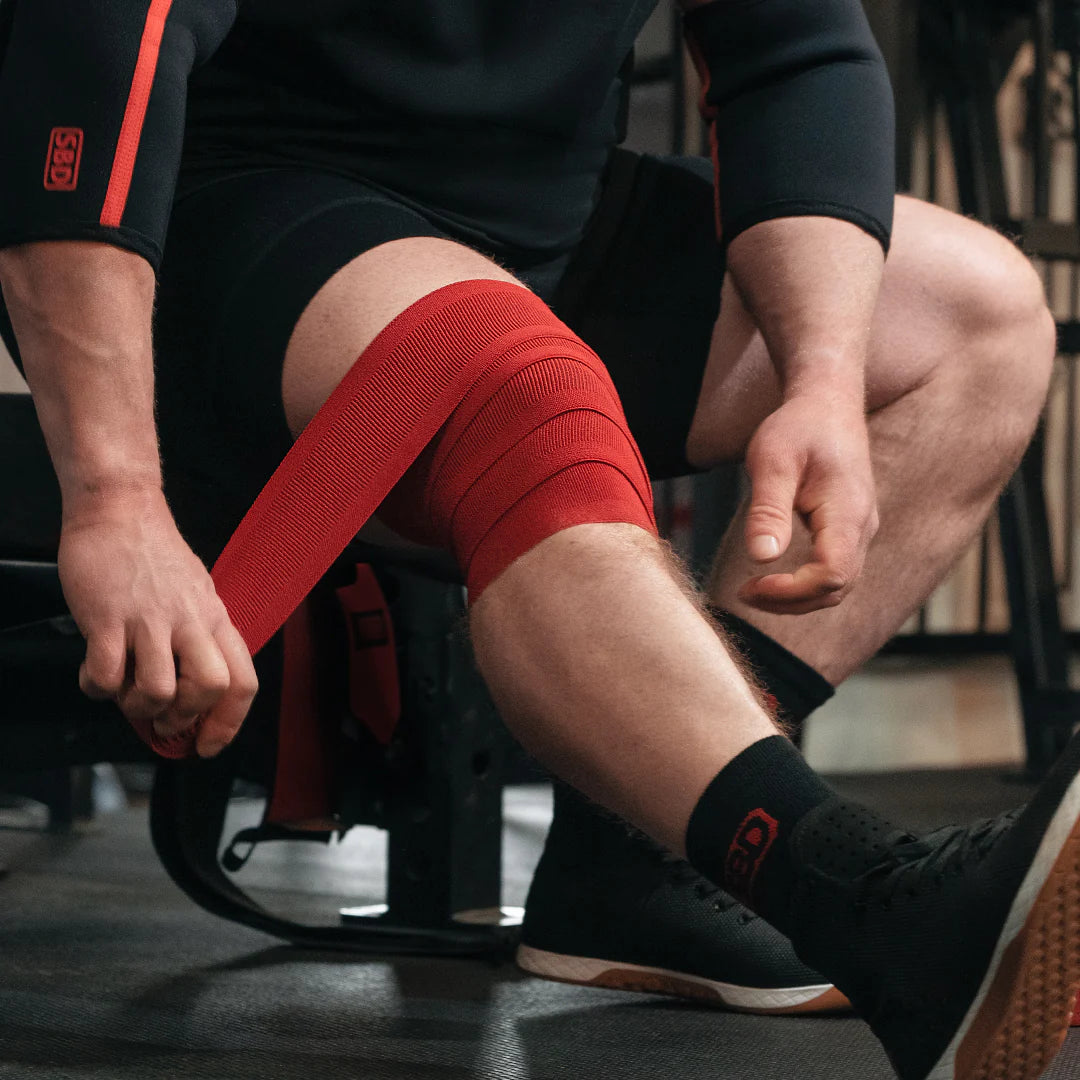
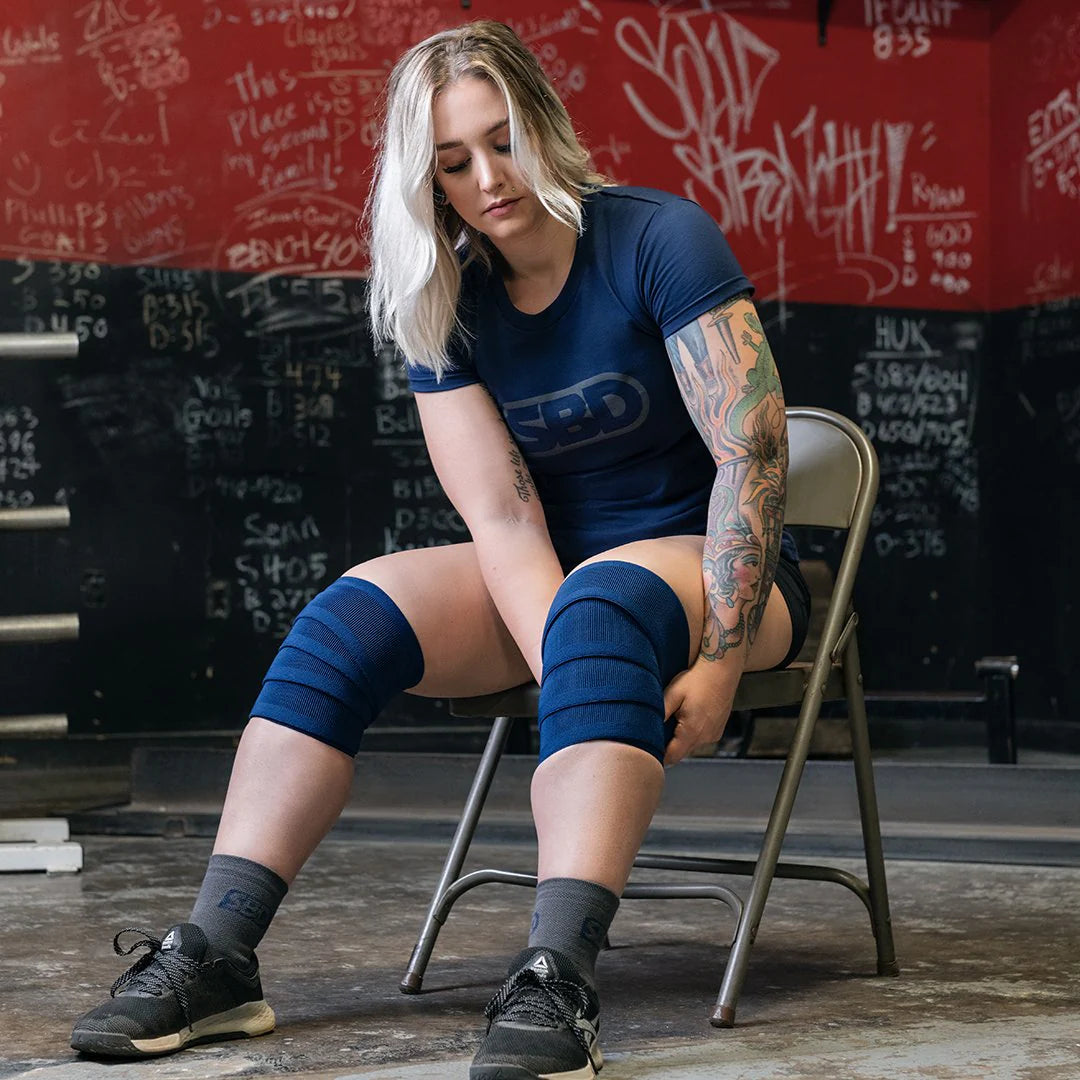
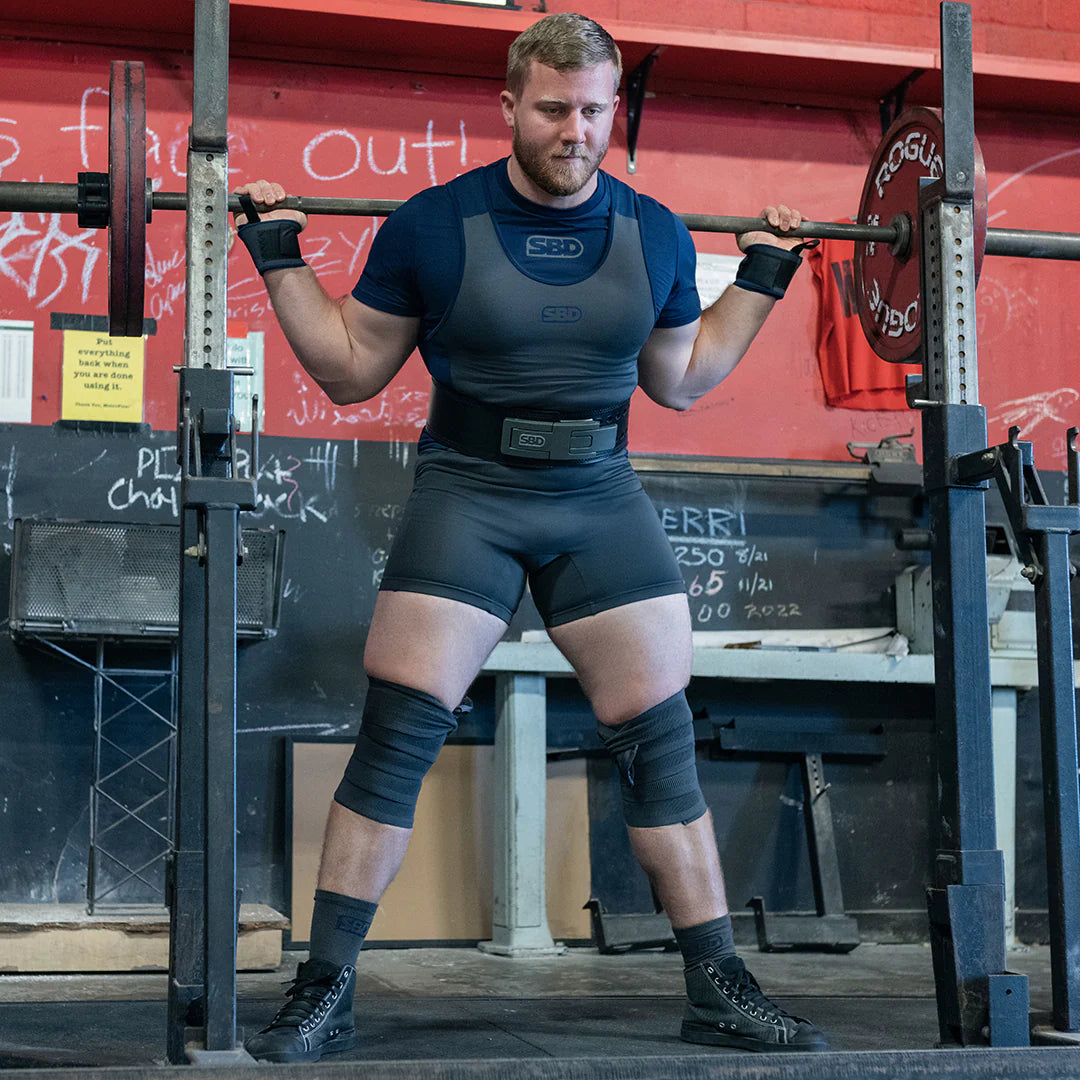
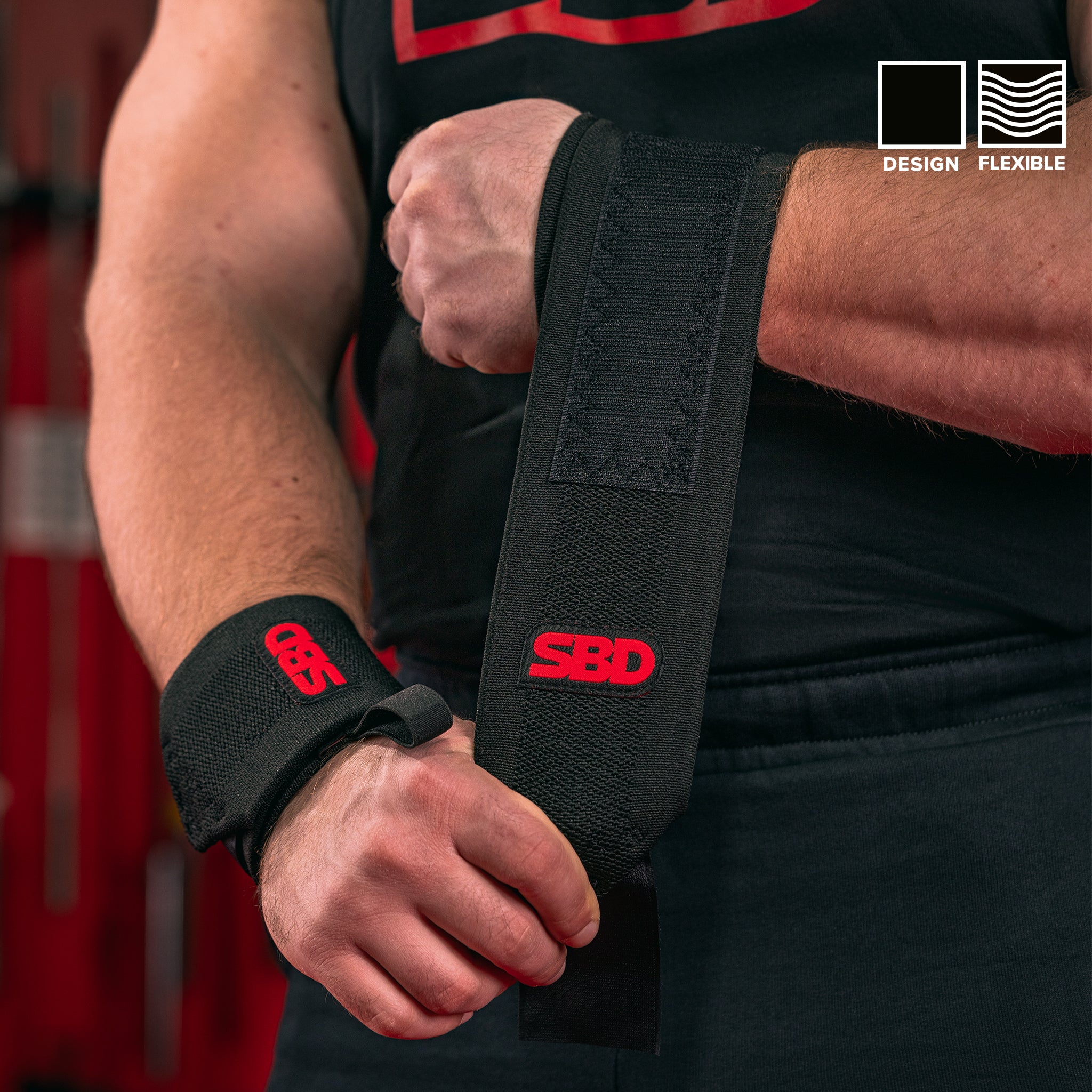
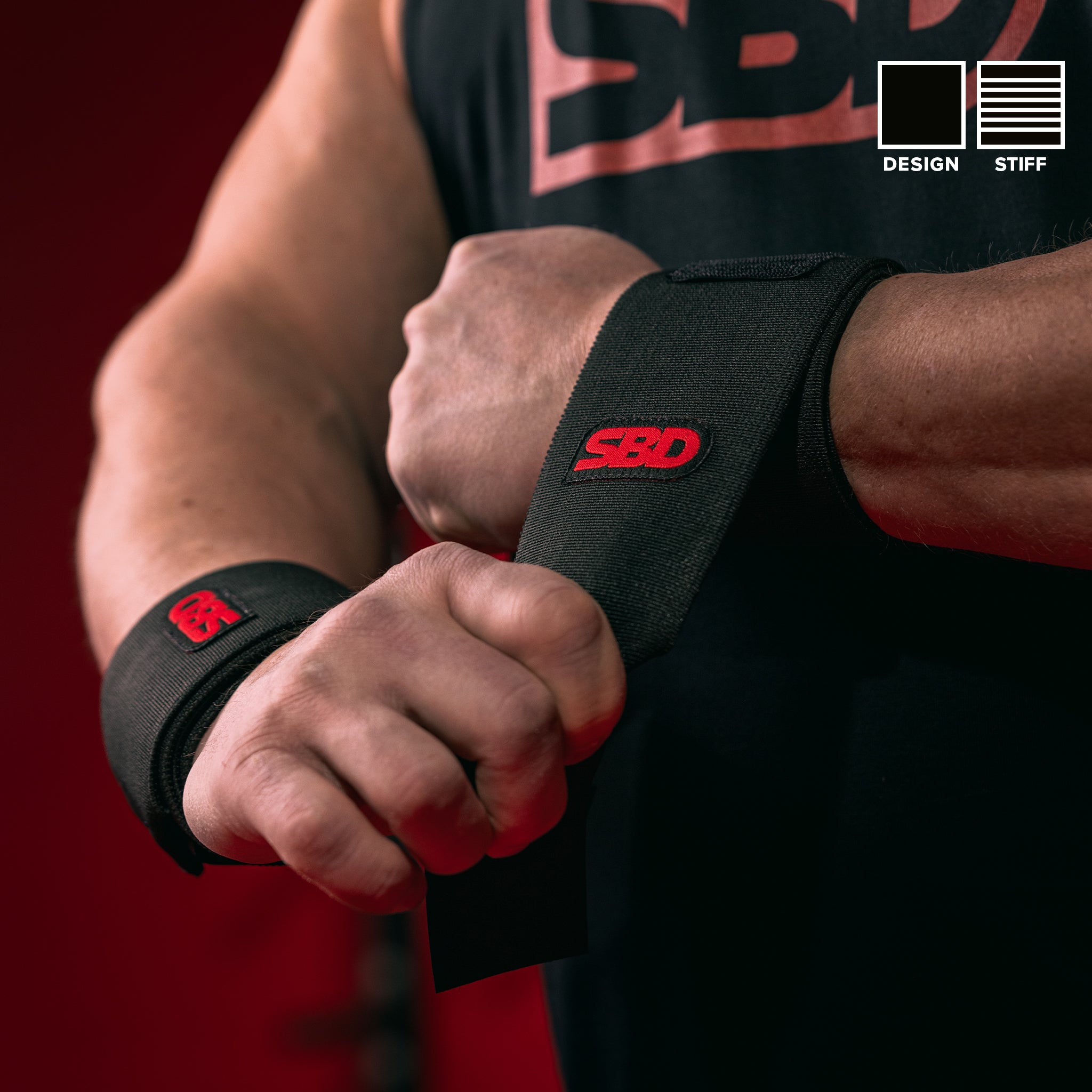
Knee wraps are elastic strips wrapped tightly around the knee joint. As you bend into a squat, the wrap stretches and creates tension, helping you rebound out of the bottom position. This is why wraps are most commonly used for squats rather than for general training movements.
Benefits of Knee Wraps
-
Enhanced Stability: Knee wraps offer unparalleled stability, reducing the risk of injury during intense weightlifting sessions.
-
Power Boost: By supporting the knee joint, wraps help lifters generate more power, improving performance.
-
Adjustable Support: You can control the tightness and support level by changing how you wrap, making them more customisable for heavy squat sessions.
The Downside of Knee Wraps
Potential Disadvantages
-
Dependency: Over-reliance on knee wraps may lead to weakened natural knee support, causing issues when not using them.
-
Learning Curve: Proper wrapping technique requires practice; improper use may lead to discomfort or ineffective support.
-
Not Ideal for Mixed Sessions: If your training includes a lot of volume, accessories, or conditioning, wraps can be impractical as they take time to apply and can feel overly restrictive.

The Appeal of Knee Sleeves
What Are Knee Sleeves?
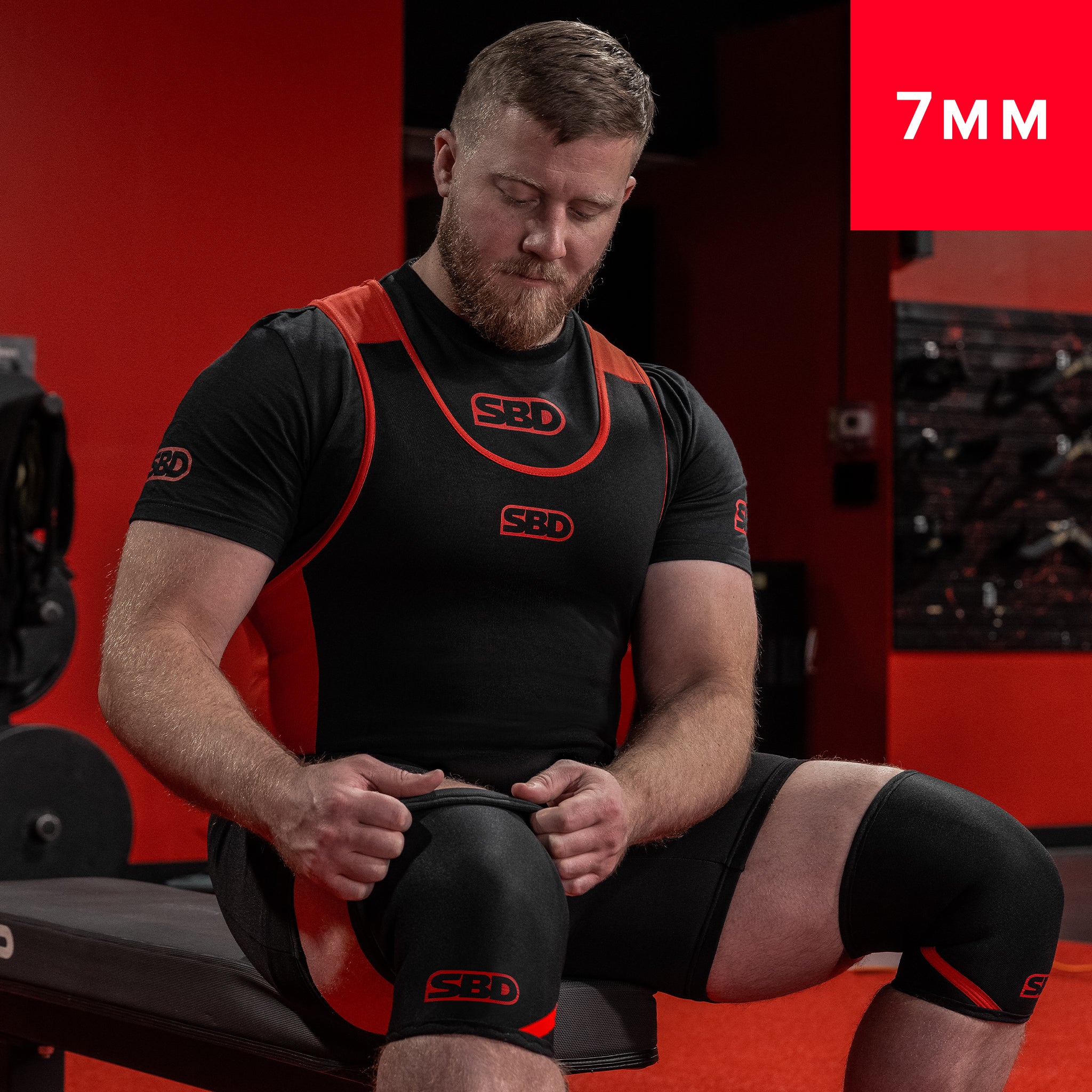
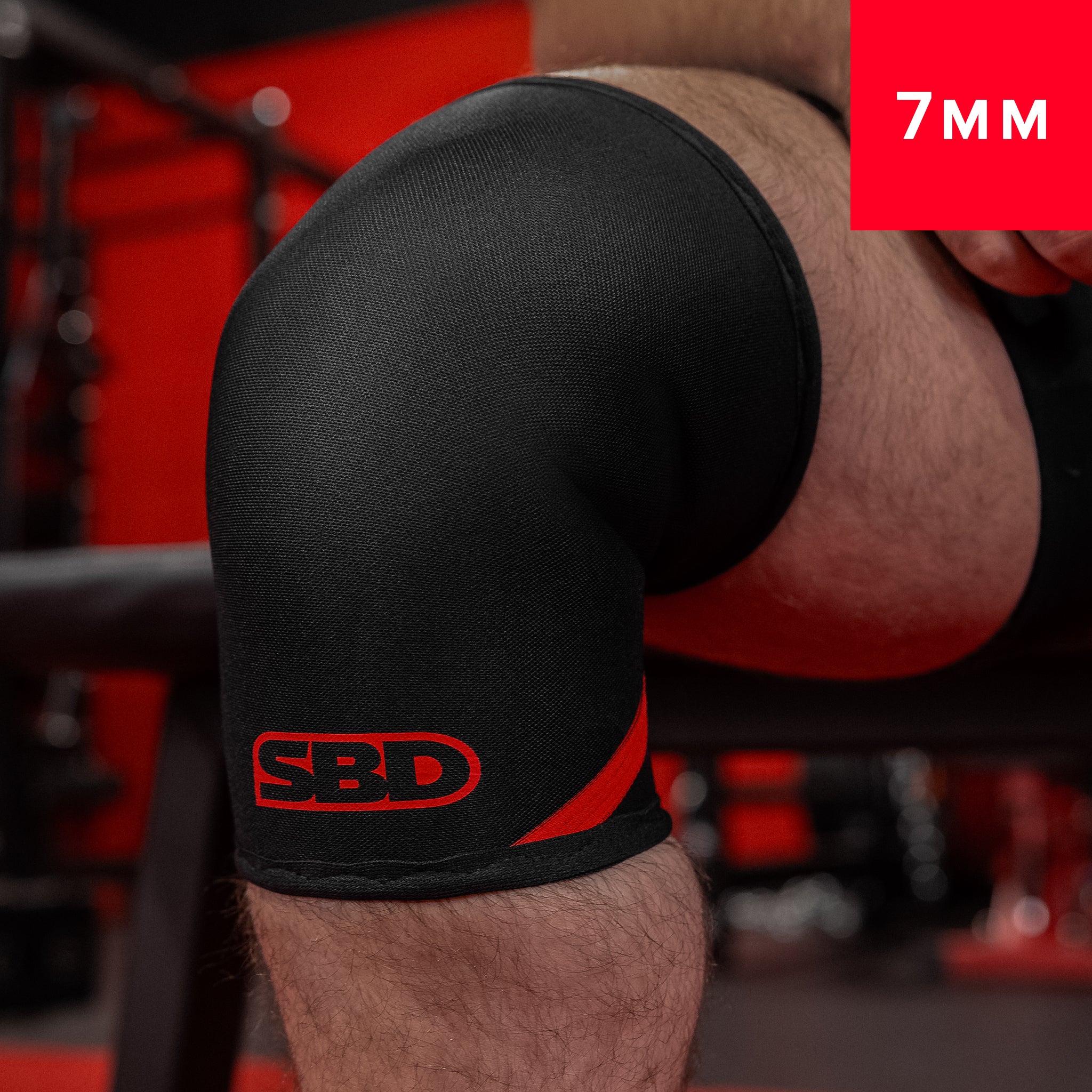
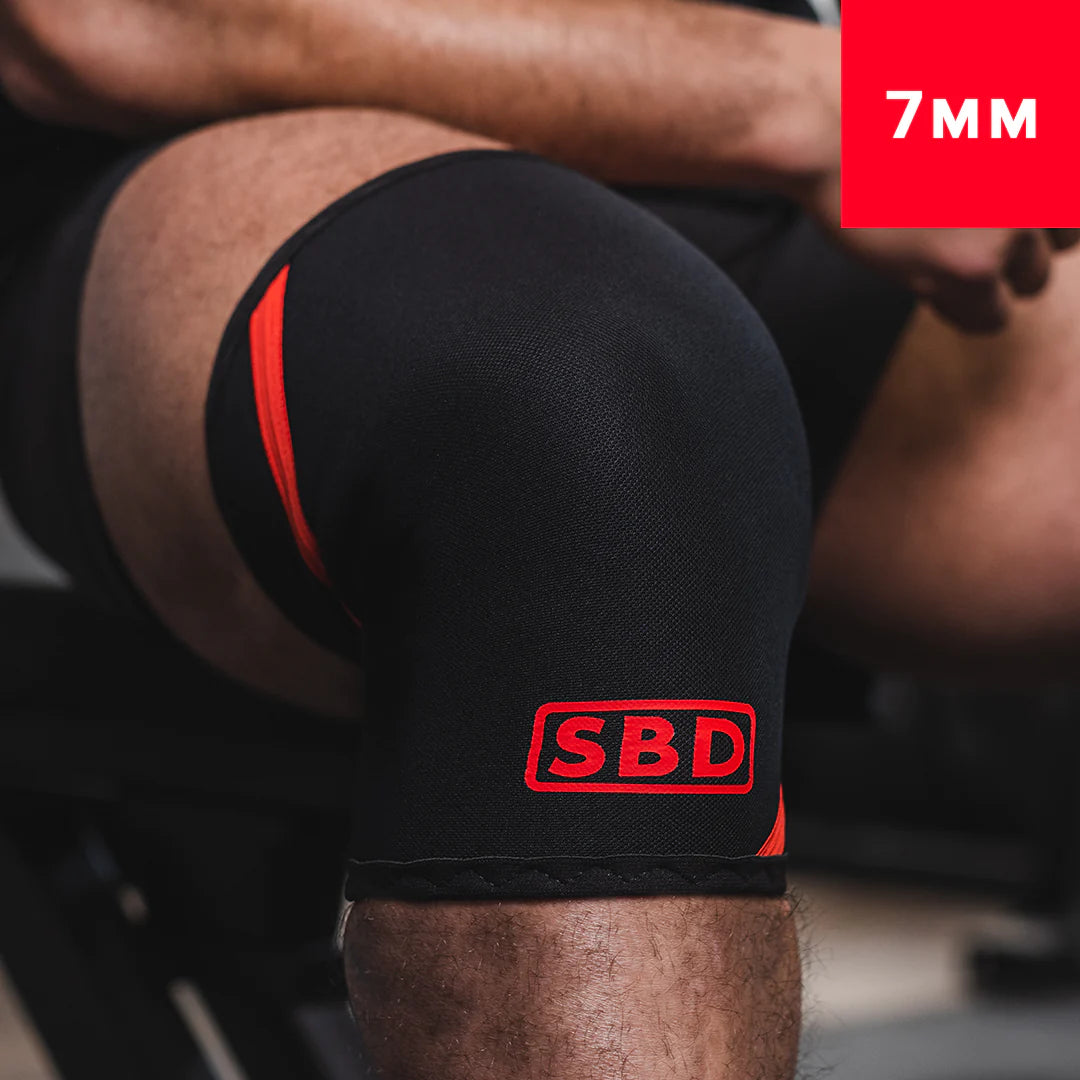
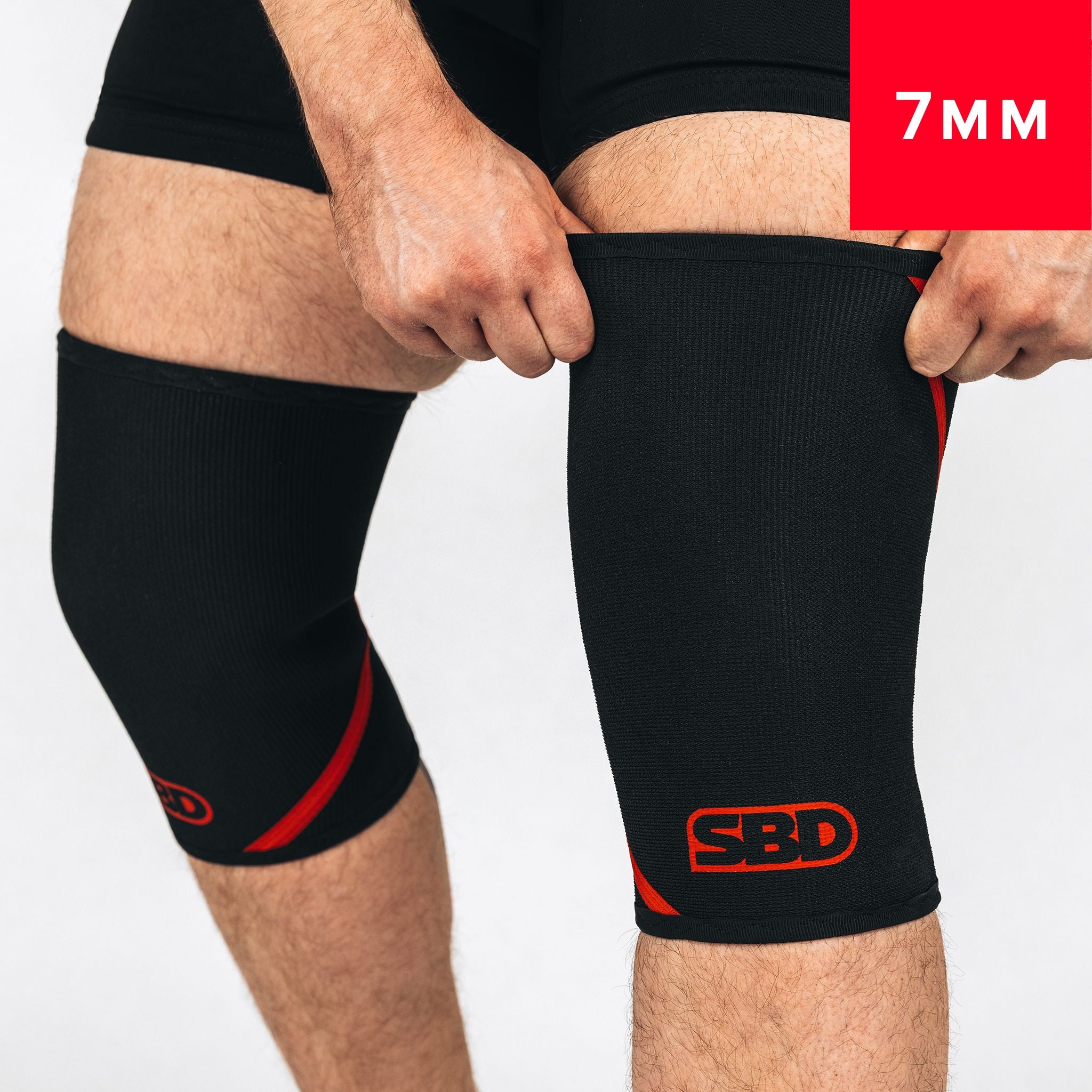
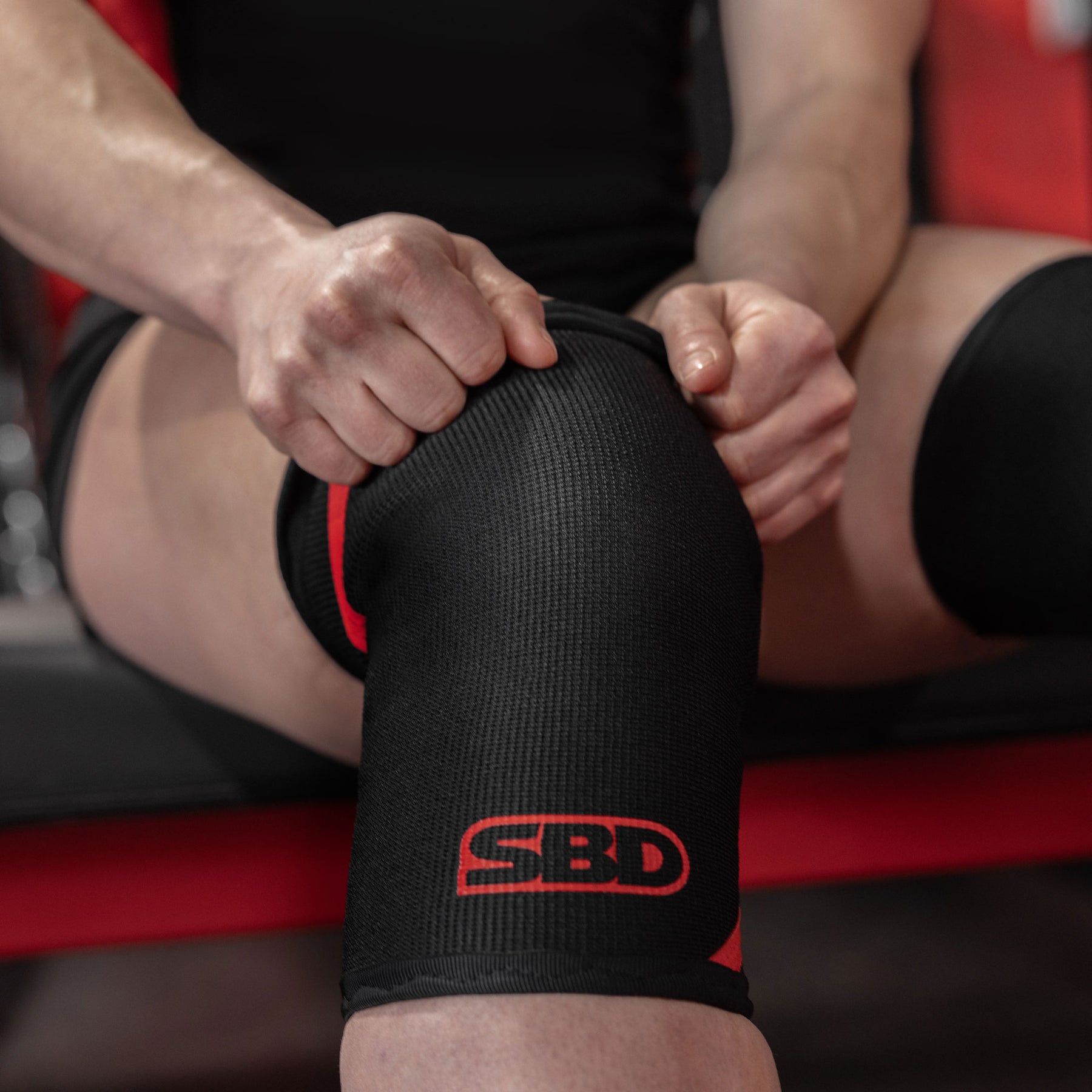
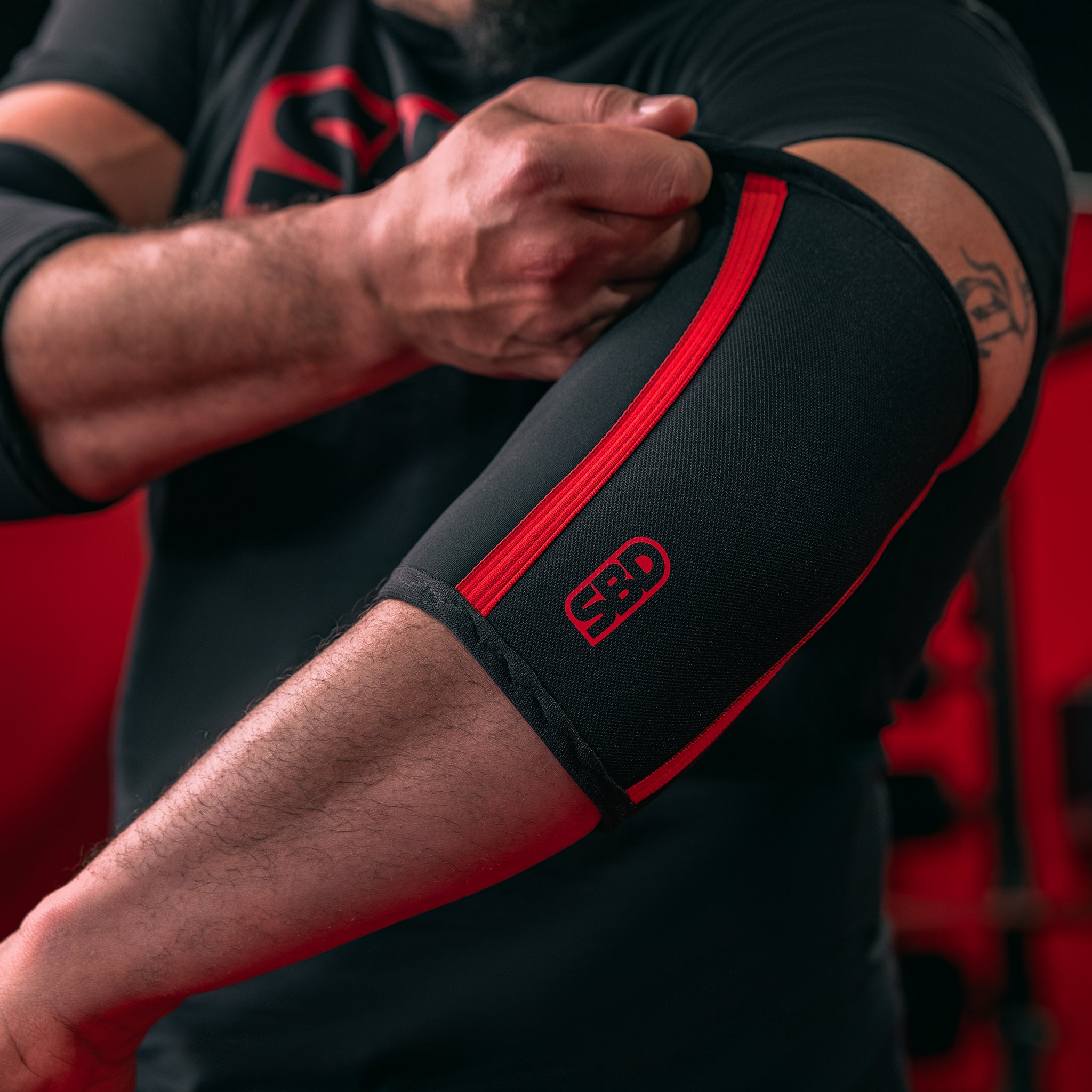
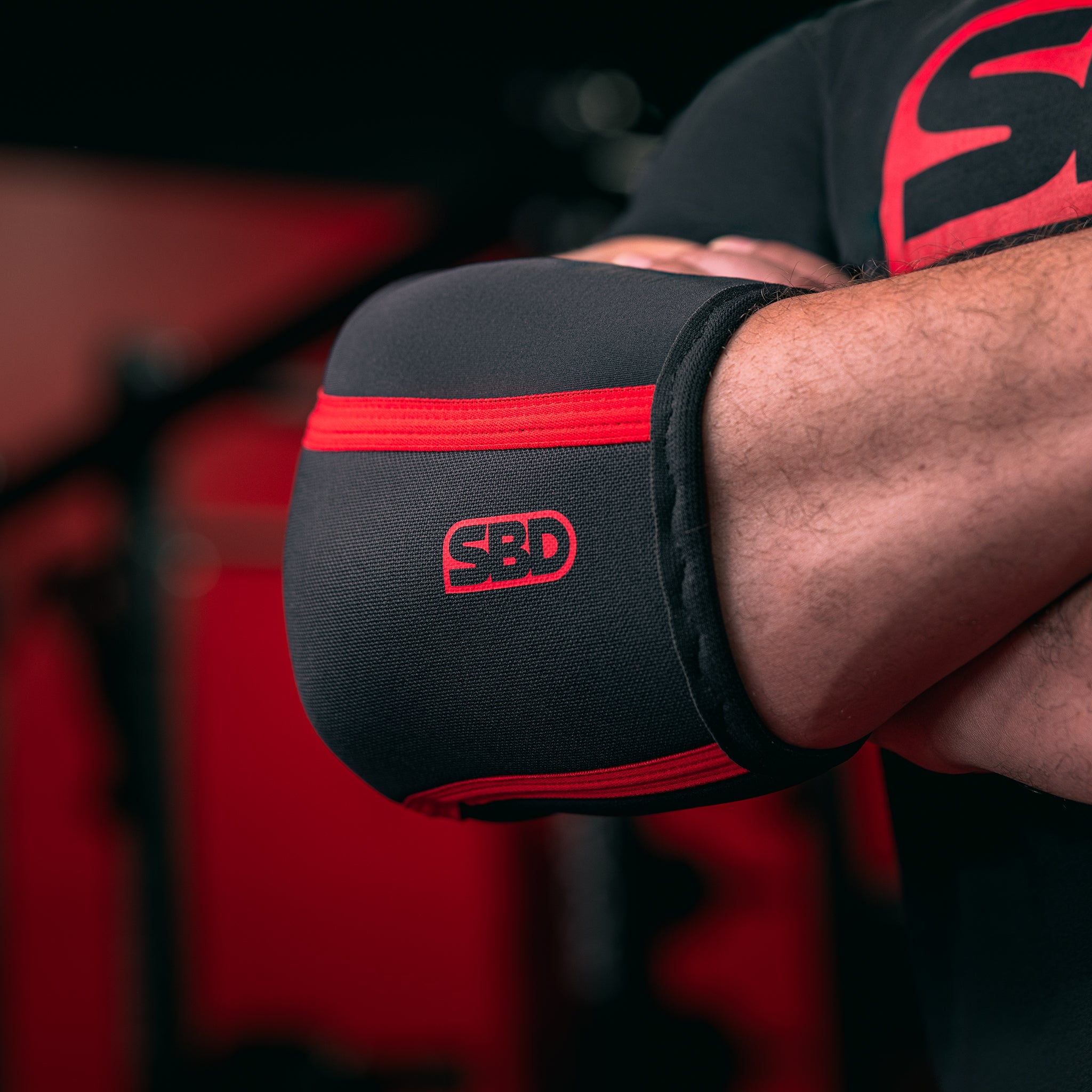
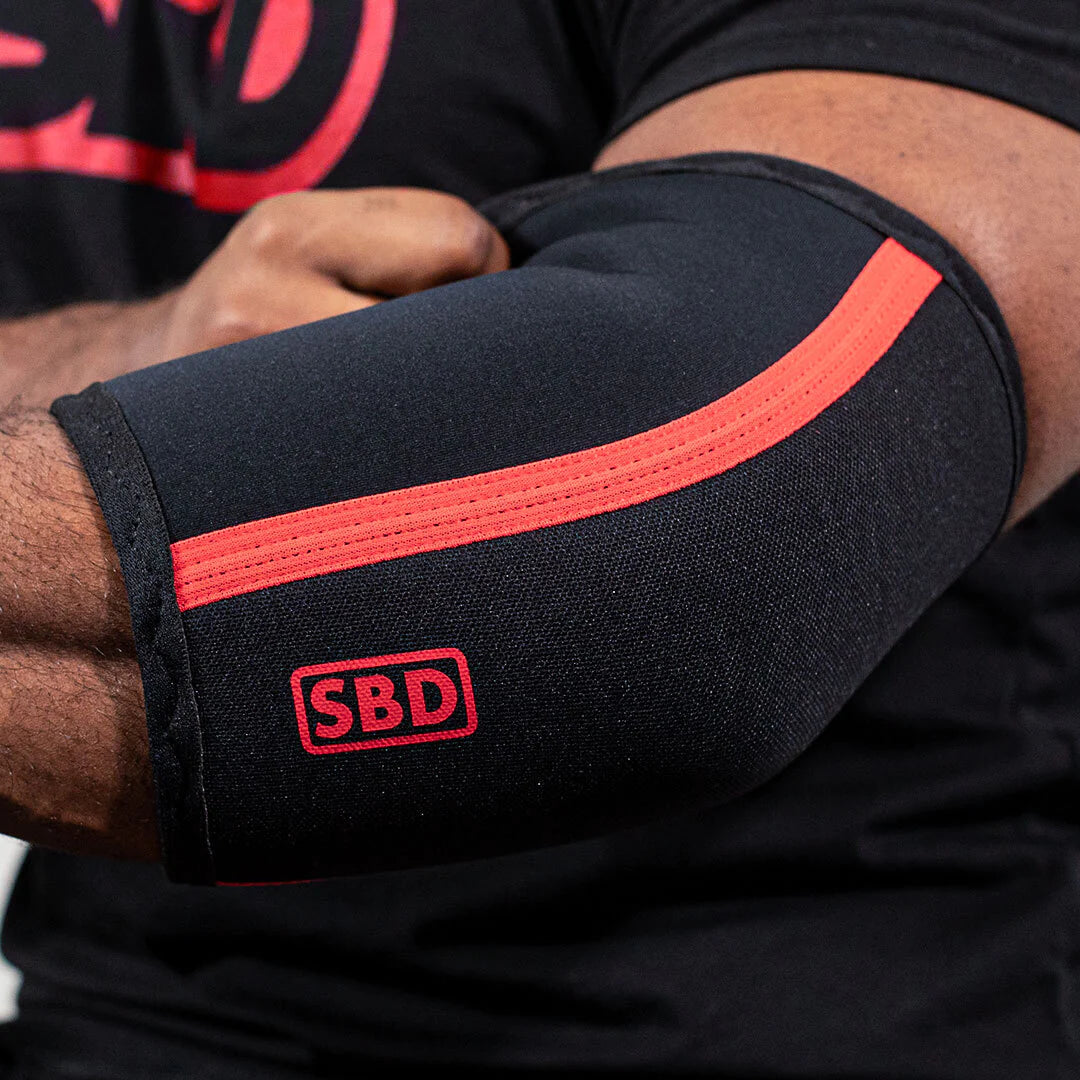
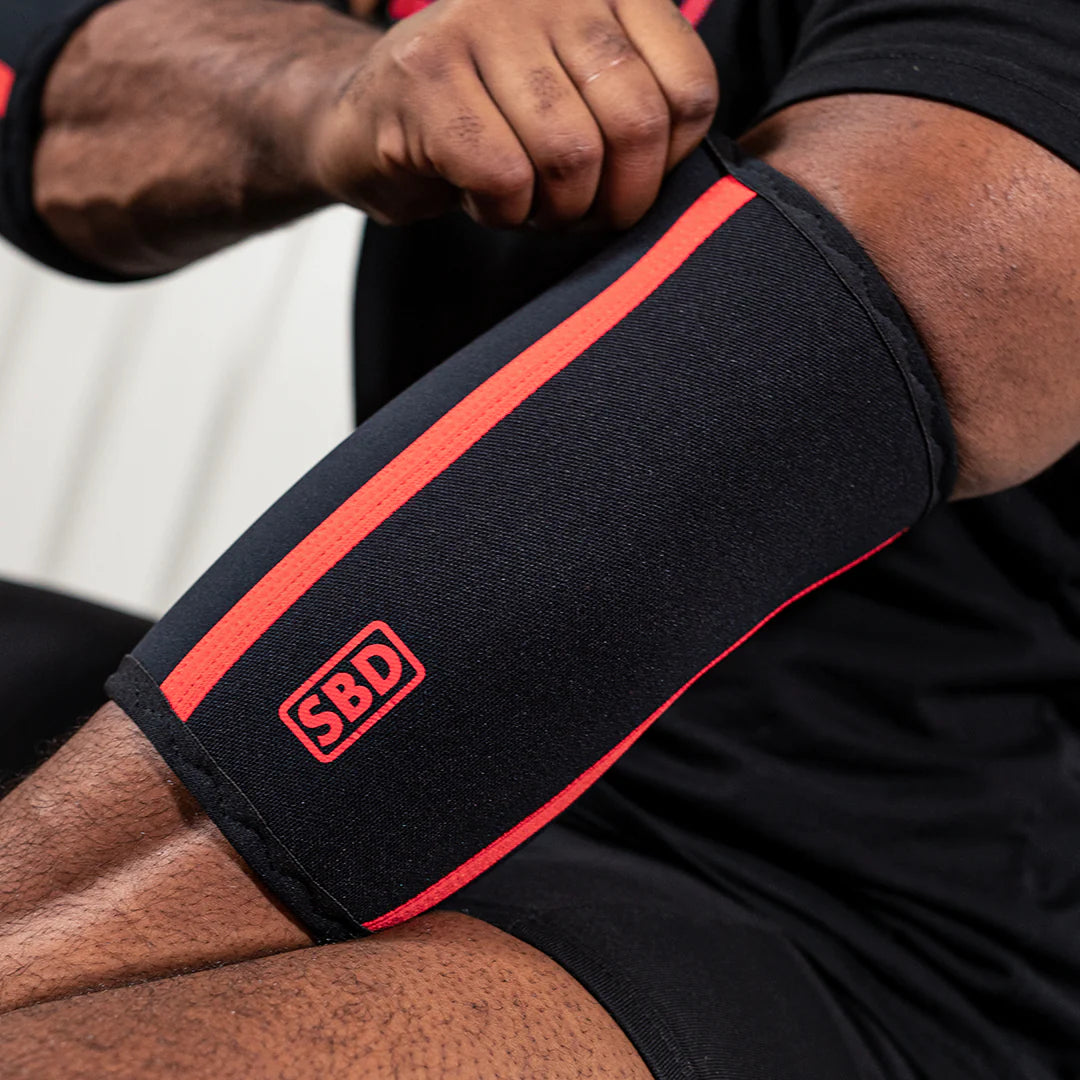
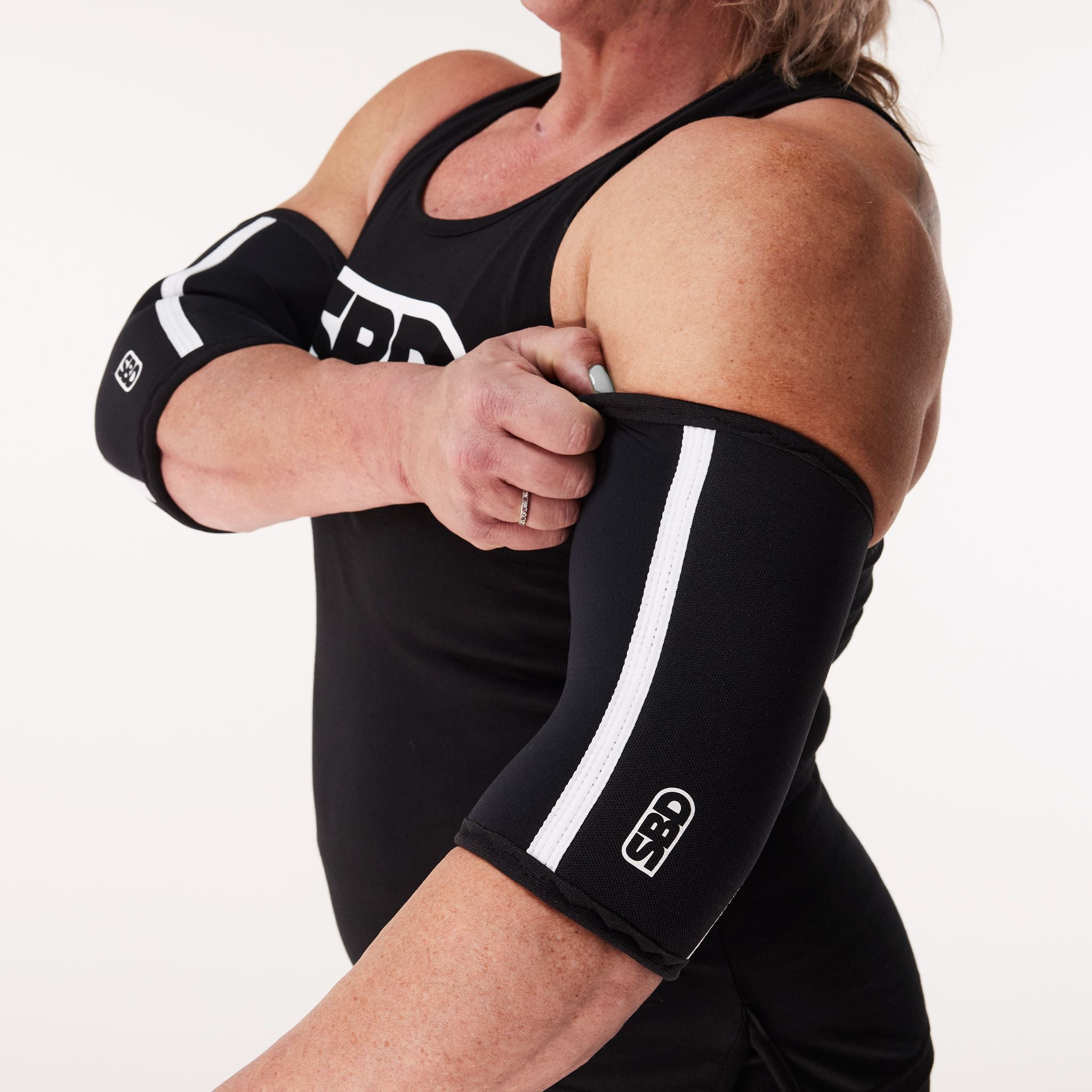
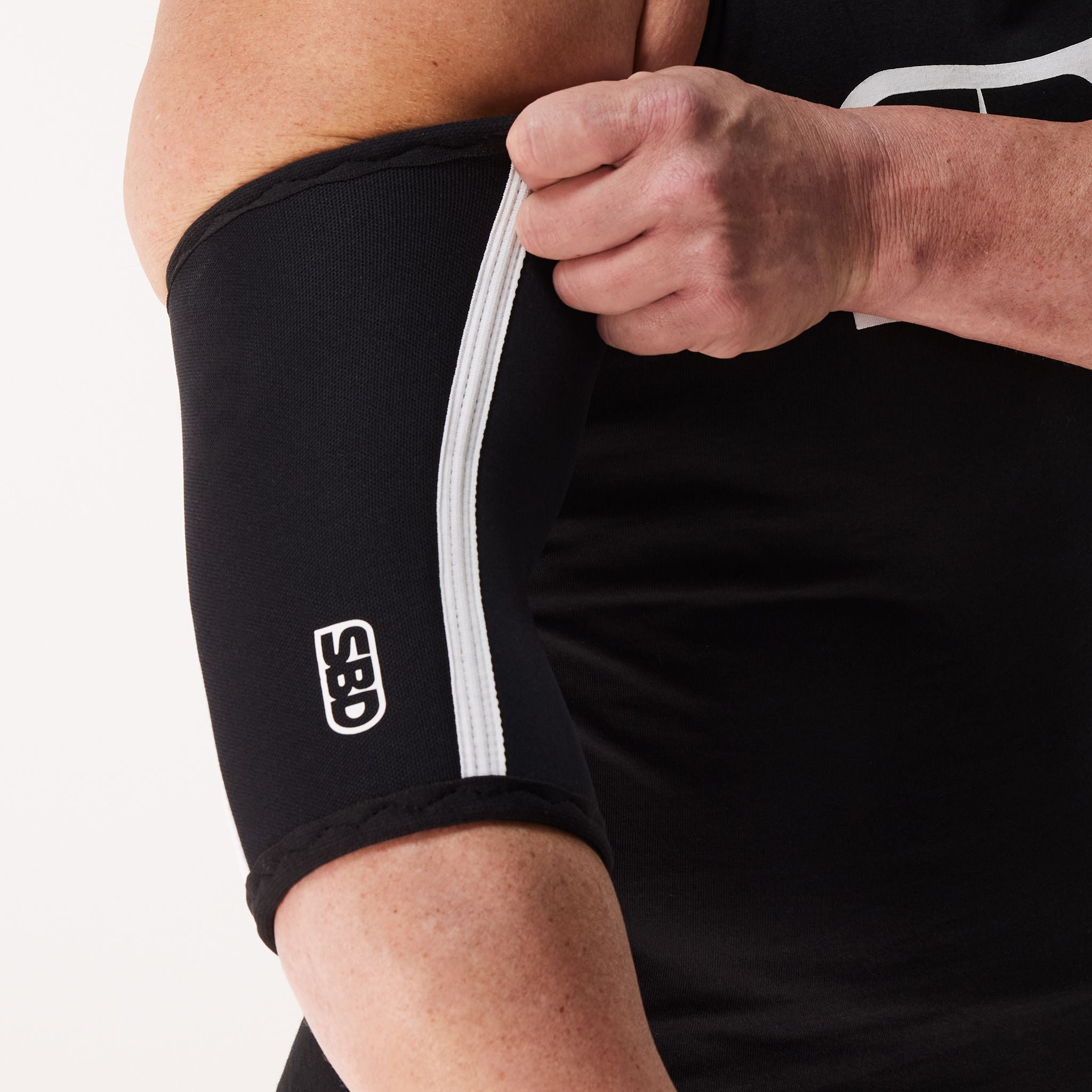
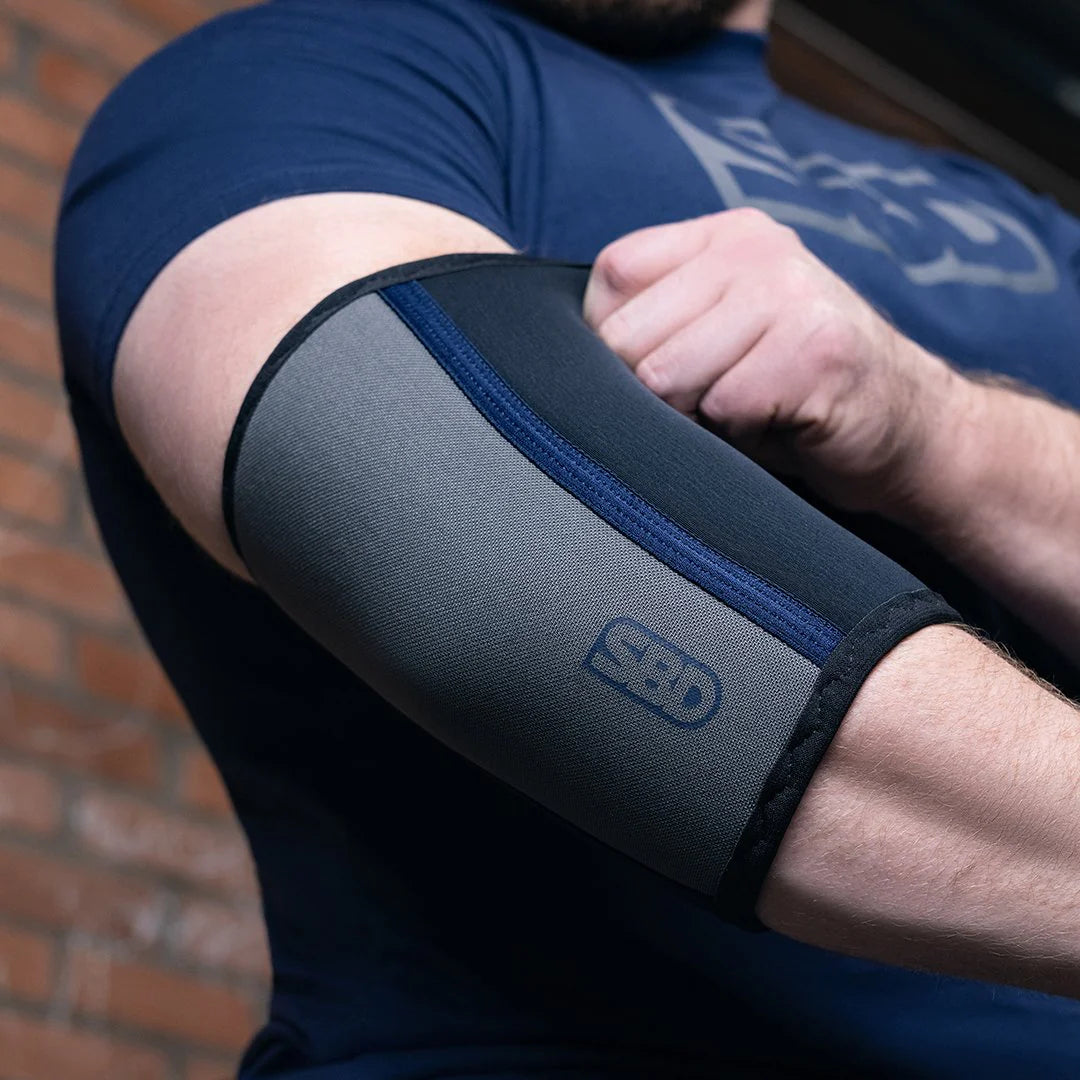
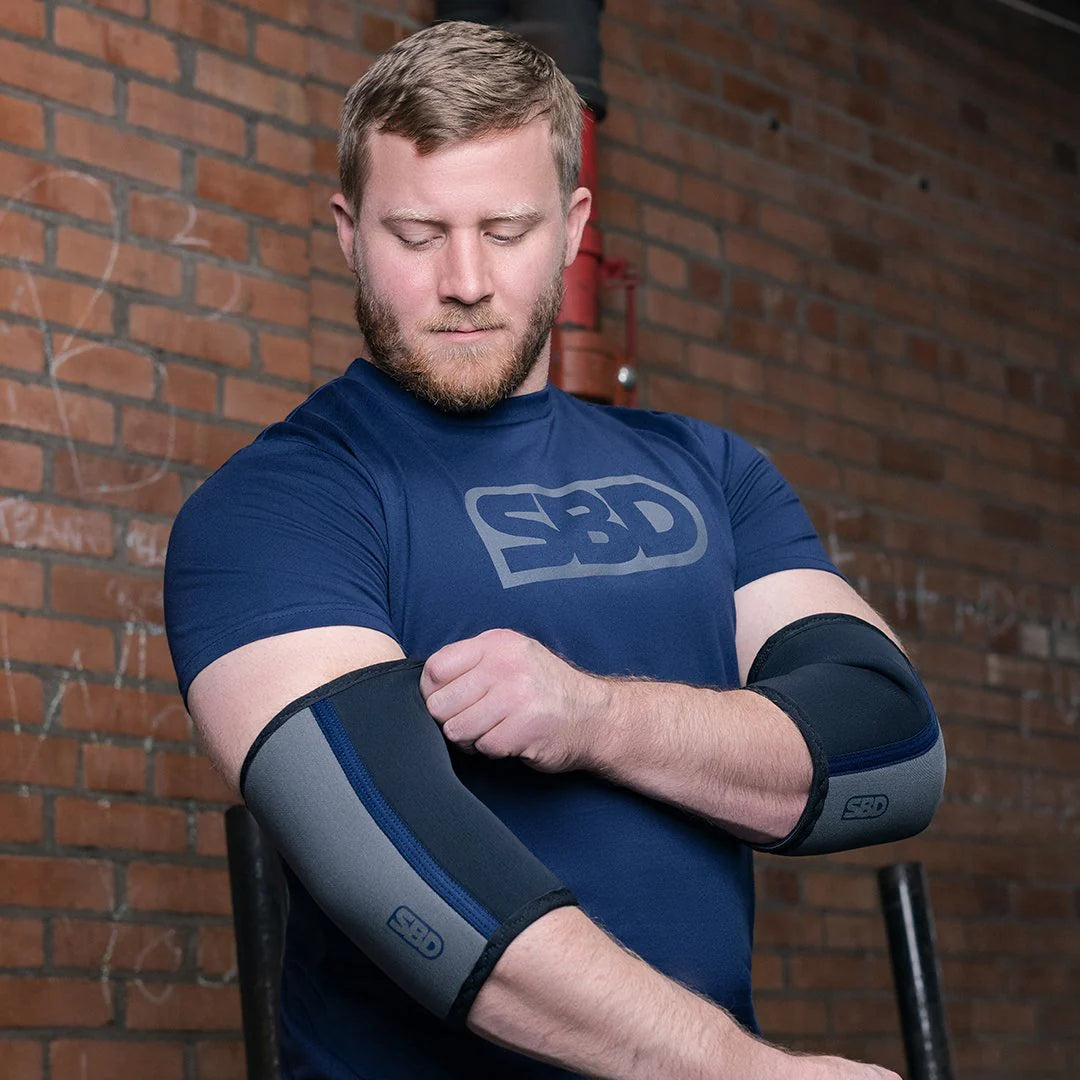
Knee sleeves are specialized, cylindrical-shaped garments designed to provide support and compression to the knee joint during various physical activities, ranging from weightlifting to running. Unlike knee wraps, knee sleeves are typically made from neoprene, a synthetic rubber material known for its flexibility, durability, and thermal properties.
How Knee Sleeves Work
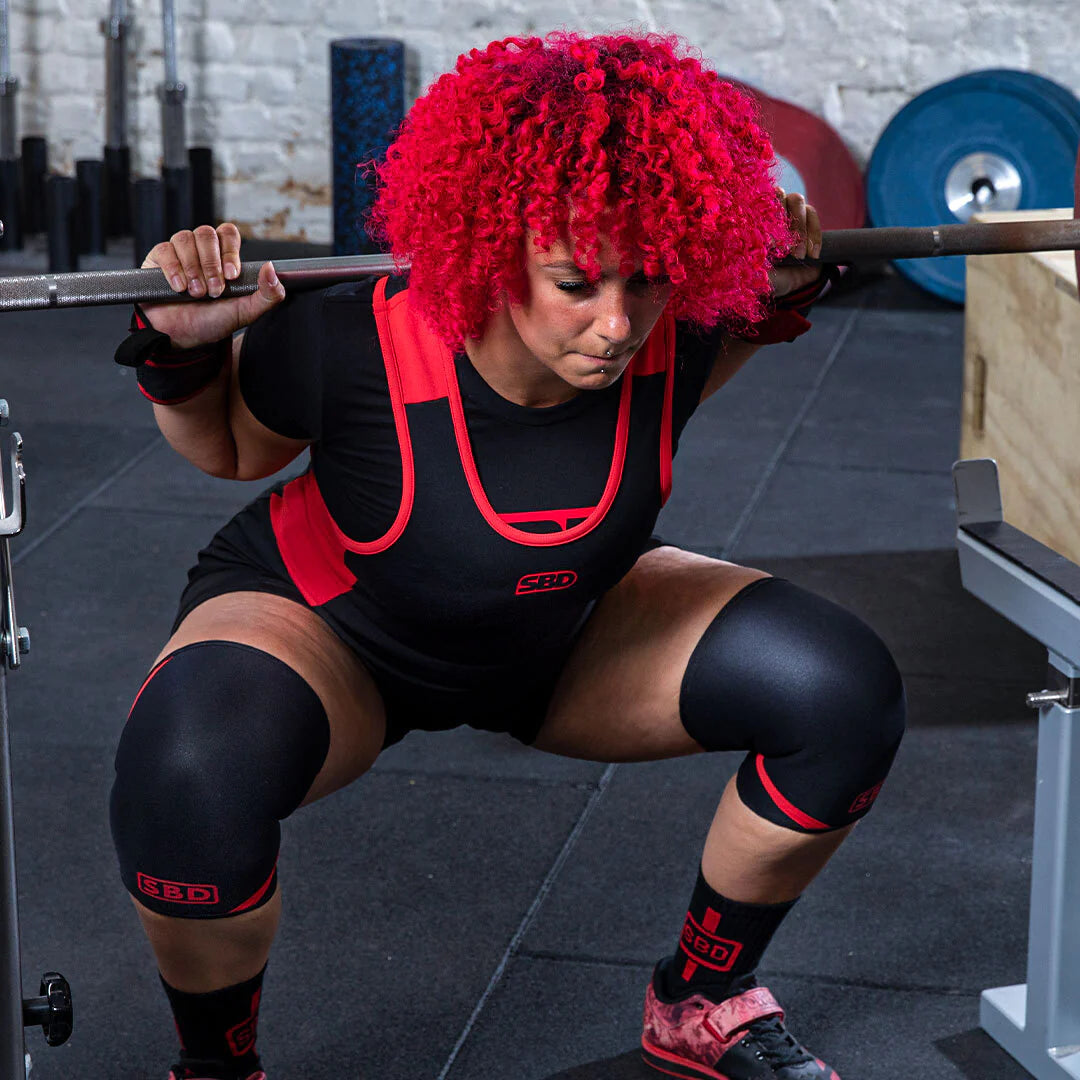
Knee sleeves provide consistent compression and warmth around the knee joint. This can improve comfort, give you a more secure feeling during movement, and help you stay warm during training, especially in colder gyms or during longer sessions.
Benefits of Knee Sleeves
-
Joint Warmth: Sleeves offer warmth and support to the knee, making them ideal for injury prevention and rehabilitation.
-
Mild Support: While not as rigid as knee wraps, knee sleeves offer a level of support that can be beneficial for preventing injuries and providing stability during various physical activities.
-
Versatility: Suitable for various activities, knee sleeves are not limited to weightlifting and can be used during running or other sports.
-
Easier to Use: Knee sleeves are quick to put on and remove, making them a convenient option for training sessions that include multiple exercises and movement types.
The Downside of Knee Sleeves
Potential Disadvantages
-
Limited Support: While beneficial for mild to moderate support, knee sleeves may not provide enough stability for heavy lifting.
-
Size Matters: Finding the right size is crucial; sleeves that are too tight can restrict movement, while loose ones may not offer adequate support.
-
Can Feel Warm: Neoprene retains heat by design. This is great for joint warmth, but some athletes may prefer removing sleeves between sets during longer sessions.
Knee Wraps vs Knee Sleeves: Which Should You Choose?
If you are still unsure, think about how you train most often:
- If you mainly squat heavy and want maximum performance: wraps may be the better choice.
- If you train multiple lifts, do accessories, or want something you can wear across sessions: sleeves are usually the better fit.
- If you are returning from a minor knee issue: sleeves are often preferred for warmth and ongoing support.
Making the Right Choice for You
Factors to Consider
-
Type of Exercise: Consider the nature of your workouts; heavy powerlifting might require the extra support of knee wraps.
-
Injury History: If you have a history of knee injuries, knee sleeves might be the safer option for ongoing joint care.
-
Competition Rules: If you compete, check your federation rules. Some competitions allow sleeves, some allow wraps, and some specify how and when each can be used.
Recommended 7mm Knee Sleeves
The Classic SBD Knee Sleeves
Manufactured with high grade 7mm neoprene, the SBD Knee Sleeves is designed to minimise the risk of injury and to aid performance. Relied on by strength athletes around the world, these 7mm knee sleeves are ideal for heavy training.

The SBD Powerlifting Knee Sleeves
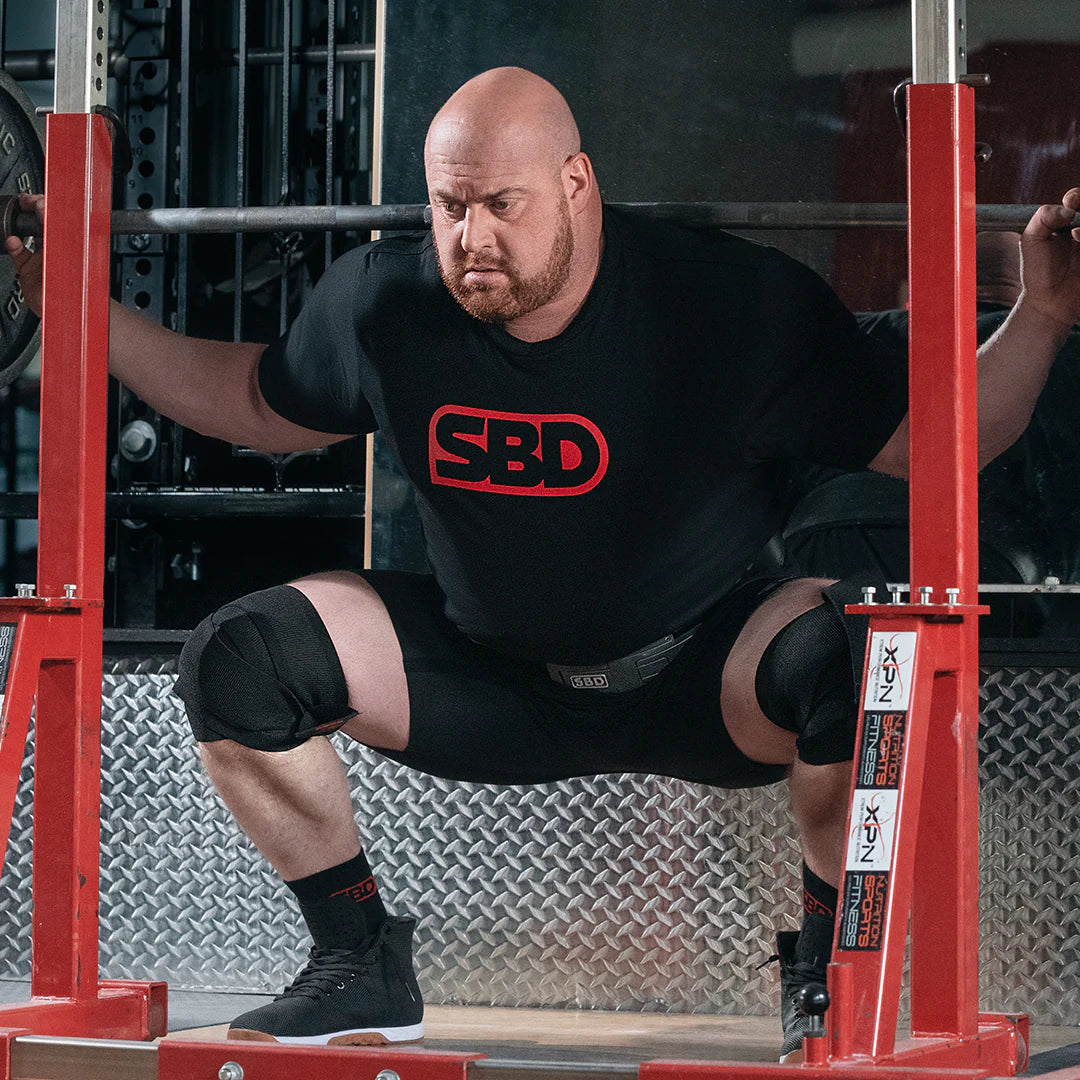
The SBD Powerlifting Knee Sleeves are designed for competitive powerlifters looking for the maximum support from their sleeves. They allow for significantly greater compression throughout knee flexion to maximise support and confidence during maximal attempts, increasing top end performance.

Recommended 5mm Knee Sleeves
The SBD Weightlifting Knee Sleeves
SBD Weightlifting Knee Sleeves feature 5mm of neoprene and stretch fabric. Designed to provide compression and support through a greater range of motion.
Ideal when doing dynamic moves like weightlifting, or any other type sport where you need extra protection against injuries in your knee.

Recommended Knee Wraps
SBD Knee Wraps
The SBD Knee Wraps are manufactured with proprietary elastics designed specifically for maximal squatting. Featuring a track design woven into the wrap for secure and tight wrapping. Comes in two different styles
Training – A very supportive wrap designed for self-wrapping during training, for repetitions and competition use.
Competition – An extremely strong wrap, intended for intermediate to elite athletes, who will be wrapped by their coach.

Tip: Choosing the Right Knee Sleeve Thickness
If you are leaning towards sleeves, thickness matters. 7mm knee sleeves are typically chosen for heavier strength training and powerlifting style squats, while 5mm knee sleeves are popular for Olympic lifting and training that needs more mobility.
If you want a more detailed breakdown, check out our full collection pages for 7mm knee sleeves and 5mm knee sleeves.
Conclusion
In the knee wraps vs. knee sleeves debate, there's no one-size-fits-all answer. It boils down to personal preference, fitness goals, and individual needs. Whether you opt for the robust support of knee wraps or the versatile comfort of knee sleeves, the key is to listen to your body.
If you are unsure where to start, many lifters choose knee sleeves first for general support and ease of use, then add knee wraps later if their training becomes more squat specific or competition focused.
Frequently Asked Questions (FAQs)
Below are some of the most common questions athletes ask when deciding between knee wraps and knee sleeves.
-
Can I use knee wraps and knee sleeves together? While it's possible, it might be excessive and uncomfortable. Assess your specific needs before combining both.
-
How tight should knee wraps be for optimal support? Knee wraps should be snug but not overly tight. You want support, not restriction.
-
Are knee sleeves suitable for running? Absolutely! Knee sleeves provide joint warmth and support, making them great for various activities, including running.
-
Do knee wraps hinder natural knee strength over time? Over-dependency might lead to weakened natural knee support. It's crucial to balance usage.
-
Can I wear knee sleeves all day for ongoing knee support? While it's possible, it's generally recommended to give your knees some time without compression to maintain natural strength.
-
Which is better for squats: wraps or sleeves? If your goal is maximum top end squat performance, wraps generally provide more support and rebound. For general squatting, sleeves are often preferred for comfort, warmth, and convenience.
-
How do I choose between training wraps and competition wraps? Training wraps are designed to be supportive and easier to self-wrap for reps. Competition wraps are much stronger and are typically used by intermediate to elite athletes who are wrapped by a coach for maximal attempts.