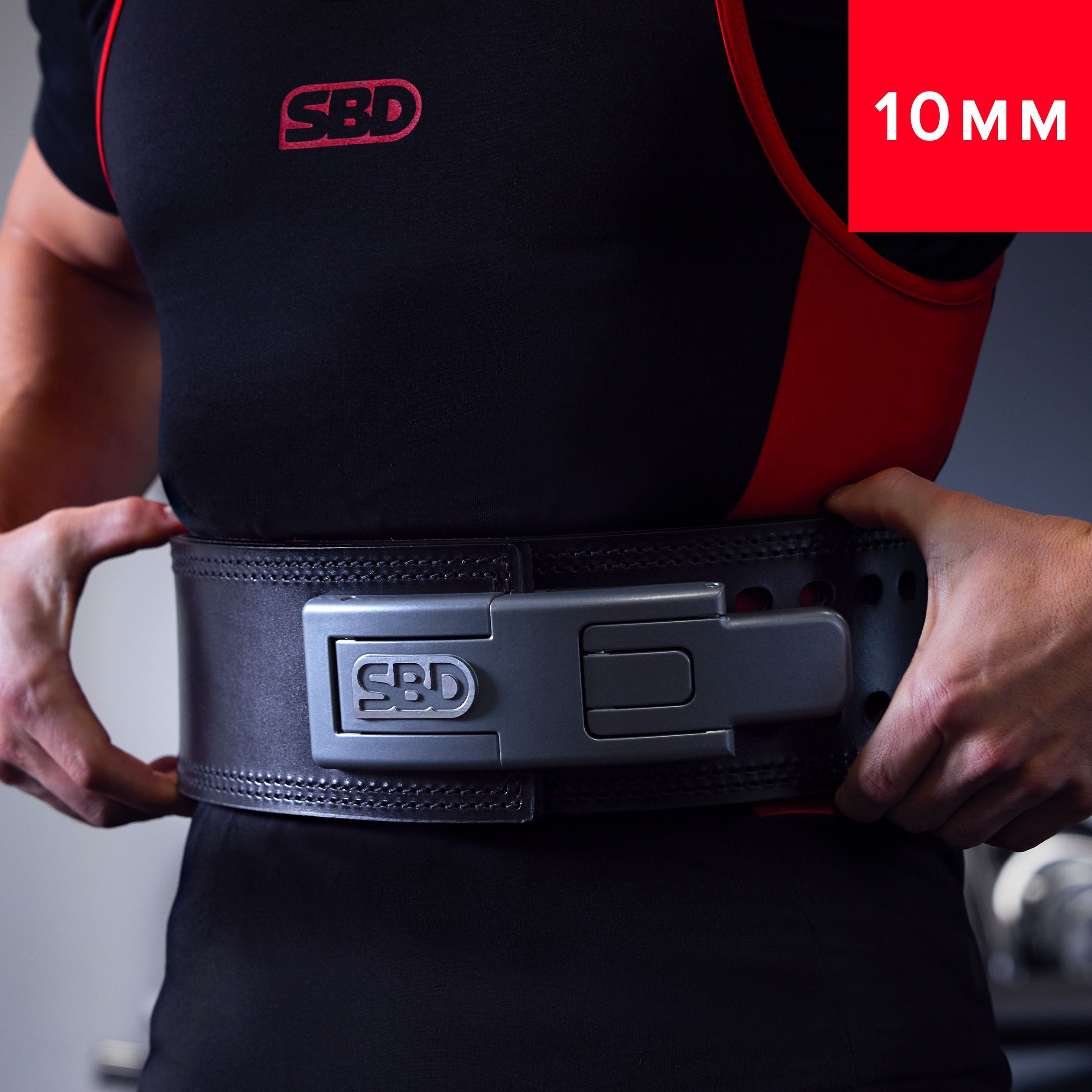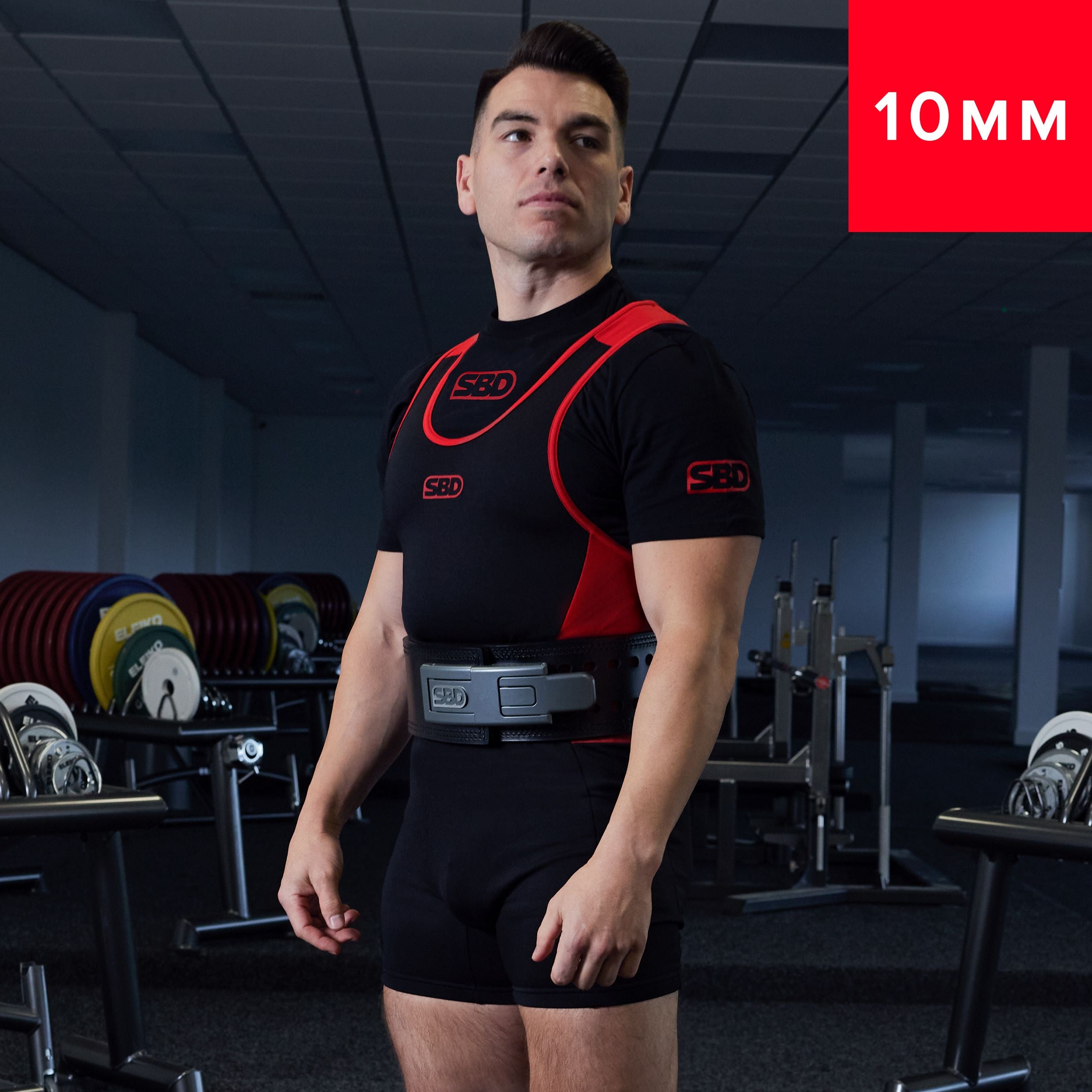


Choosing the right weight lifting belt size is essential if you want your belt to feel supportive, comfortable, and useful during training. A belt that fits properly should give your torso something firm to brace against, without restricting your breathing, movement, or lifting technique.
Whether you are using a belt for squats, deadlifts, Olympic-style lifting, functional fitness, bodybuilding, or general strength training, correct sizing starts with one thing: measuring your waist properly. Your lifting belt size is not the same as your trouser size, jeans size, or casual belt size.
This guide explains how to measure for a weight lifting belt, how tight it should feel, what to do if you are between sizes, and how to choose the right fit for your style of training.
Why Weight Lifting Belt Sizing Matters
A weight lifting belt is designed to support your brace. When you breathe into your abdomen and create tension through your core, the belt gives your torso a firm surface to press against. This can help you feel more stable during heavy or demanding lifts.
If your belt is too loose, it may move around, feel unsupportive, or fail to give you enough pressure to brace against. If your belt is too tight, it may make it difficult to breathe properly, get into position, or move naturally through your lift.
The right size should give you a secure fit with enough adjustment room to tighten or loosen the belt depending on your bodyweight, clothing, exercise selection, and preferred level of compression.
Weight Lifting Belt Sizing Summary
| Step | What to Do | Why It Matters |
|---|---|---|
| 1. Measure your waist | Measure around the area where the belt will sit during training. | This gives a more accurate result than using trouser or jeans size. |
| 2. Stay relaxed | Stand naturally and keep your stomach relaxed while measuring. | Your belt should fit your normal torso position before you brace into it. |
| 3. Use a soft tape measure | Wrap the tape measure level around your waist without pulling it too tight. | This helps avoid choosing a belt that is too small. |
| 4. Check the size chart | Compare your measurement with the specific size chart for the belt you are buying. | Sizing can vary between belt styles, brands, and fastening systems. |
| 5. Allow adjustment room | Choose a size that gives you room to tighten and loosen the belt. | This helps if your bodyweight changes or you prefer different tightness for different lifts. |
| 6. Test the fit | The belt should feel firm, but you should still be able to breathe and brace. | A correct fit supports your lift without restricting your setup or movement. |
How to Measure for a Weight Lifting Belt
The most important step is measuring the part of your torso where the belt will actually sit. Do not guess based on clothing size, bodyweight, or the size of a previous belt from another brand.
What You Need
Use a soft, flexible tape measure. A sewing-style tape measure works best because it can wrap evenly around your body. Avoid using a rigid ruler or metal tape measure, as these are harder to position accurately around your waist.
Measure over a thin top or directly against the skin. Avoid measuring over thick hoodies, sweatshirts, or multiple layers unless you specifically plan to wear your belt over those layers during training.
Step 1: Find Where the Belt Will Sit
Place the tape measure around the area where you plan to wear the belt. For many lifters, this is around the navel or slightly above it, but belt position can vary depending on your build, training style, and the exercises you perform.
Some lifters wear their belt slightly higher for pulling movements, while others prefer it lower for squats or general gym training. The key is to measure the position where the belt will actually sit, not where your trousers sit.
Step 2: Stand Naturally
Stand upright in a relaxed position. Do not suck your stomach in. Do not push your stomach out. Do not brace as if you are about to lift.
Your measurement should reflect your normal torso size before you take air in and brace against the belt.
Step 3: Keep the Tape Level
Wrap the tape measure around your waist and keep it level all the way around your body. The tape should sit flat against your torso without twisting, sagging, or digging into your skin.
Pull the tape close enough to get an accurate measurement, but not so tight that it compresses your waist.
Step 4: Measure More Than Once
Take your measurement at least twice to make sure it is consistent. If you get slightly different numbers, use the larger measurement when checking the size chart.
It is better to have a belt with enough adjustment room than one that only just fits on the loosest setting.
Do Not Use Trouser Size
One of the most common mistakes when buying a weight lifting belt is using trouser size as the belt size. Trouser size is not the same as your lifting belt measurement.
Trousers often sit lower on the body than a lifting belt. They may also use vanity sizing, stretch fabrics, or cuts that do not reflect your true torso circumference.
Always measure your waist where the belt will sit, then compare that measurement with the size chart for the specific belt you are buying.
Where Should a Weight Lifting Belt Sit?
Belt position is personal. The right position is the one that allows you to brace effectively and move well through your lifts.
For squats, many lifters wear the belt around the middle of the torso, close to the navel. This can help create pressure around the trunk during the descent and ascent.
For deadlifts, some lifters prefer the belt slightly higher or at a slight angle so it does not interfere with their start position.
For Olympic-style lifts, functional fitness, or movements that require more speed and mobility, some lifters prefer a belt that allows more movement through the torso.
The belt should not dig aggressively into your ribs or hips. It should feel firm and supportive, but it should not force you into an awkward position.
Choosing the Right Fit
The right fit depends on how you train, how much support you want, and how much movement your exercises require. A belt used for heavy squats may be worn tighter than a belt used for Olympic lifting, accessory work, or higher-rep training.
| Fit Type | Best For | What It Should Feel Like |
|---|---|---|
| Regular Training Fit | General gym training, squats, deadlifts, bodybuilding, and mixed strength work. | Firm and supportive, but comfortable enough to wear across multiple sets. |
| Mobility-Focused Fit | Olympic-style lifting, functional fitness, cleans, snatches, and dynamic movements. | Secure around the waist, but not so tight that it restricts speed, movement, or position. |
| Tighter Strength Fit | Heavy squats, heavy pulls, lower-rep strength work, and lifters who prefer more compression. | Very firm when bracing, but still allows you to breathe and set up correctly. |
| Comfort Fit | Beginners, higher-rep training, lighter strength work, and lifters who dislike excessive tightness. | Supportive without feeling restrictive or difficult to wear. |
A good belt should feel tight enough to support your brace, but not so tight that it stops you from taking a full breath or moving into the right position.
How Tight Should a Weight Lifting Belt Be?
A weight lifting belt should be tight, but not painfully tight. You should feel the belt around your torso before you start the lift. When you breathe in and brace, your abdomen should press into the belt and create a strong feeling of support.
If you cannot take a proper breath, the belt is probably too tight. If you can breathe easily but feel no pressure when bracing, it may be too loose.
Some lifters use different tightness levels for different exercises. For example, they may wear the belt tighter for heavy squats and slightly looser for deadlifts, cleans, or higher-rep accessory work.
Between Sizes? Here’s How to Decide
If your waist measurement falls between two belt sizes, your choice should depend on your bodyweight goals, training style, and preferred fit.
Choose the Larger Size If:
- You are at the top end of the smaller size range.
- You are gaining weight or building muscle.
- You prefer comfort over maximum tightness.
- You plan to wear the belt over thicker clothing.
- You want more room to adjust the belt looser.
- You are new to wearing lifting belts.
Choose the Smaller Size If:
- You are at the lower end of the larger size range.
- You are losing weight or cutting bodyweight.
- You prefer a tighter, more compressed fit.
- You mainly use the belt for heavier strength work.
- You have experience wearing tighter belts.
Avoid choosing a size that leaves you only on the tightest or loosest setting. The best option is usually the size that gives you adjustment room in both directions.
Why Adjustment Room Matters
Your waist measurement can change over time. This may happen because of weight gain, weight loss, muscle gain, bloating, hydration, clothing, or different training phases.
A properly sized belt should give you room to adjust tighter or looser when needed. This is especially useful if you train different movements with different levels of tightness.
If you use a prong belt, aim to have usable holes on either side of your normal setting. If you use a lever belt, make sure your size gives you enough range to reposition the lever if your waist measurement changes.
Different Belt Types and Sizing Considerations
Weight lifting belts come in different styles, and each style can feel slightly different even when the waist size is the same.
| Belt Type | Common Use | Sizing Consideration |
|---|---|---|
| Leather Prong Belt | General strength training, squats, deadlifts, and heavier gym work. | Choose a size that lets you fasten the prong near the middle holes where possible. |
| Lever Belt | Heavy strength training and lifters who like consistent tightness. | Make sure your waist measurement sits comfortably within the size range, as lever adjustments usually require repositioning the lever. |
| Nylon or Velcro Belt | Functional fitness, Olympic-style lifting, general gym training, and dynamic movements. | These often allow faster adjustment, but the belt should still feel secure when bracing. |
| Tapered Belt | Weightlifting, mixed training, and movements requiring more mobility. | The narrower front can feel less restrictive, but the waist measurement should still match the product size chart. |
| Straight Belt | Squats, deadlifts, and strength-focused lifting. | The same width around the belt may feel more supportive but can be more restrictive for some lifters. |
Does Belt Width Affect Fit?
Belt width can affect how comfortable the belt feels, especially depending on your torso length and the movements you perform.
A wider belt can provide more surface area to brace against, but it may also feel more restrictive for shorter lifters or for movements that require a deep setup position.
A tapered or narrower belt may feel more comfortable for Olympic-style lifting, functional fitness, and mixed training because it can allow more freedom of movement around the front of the torso.
The correct size is still based on your waist measurement, but belt width can affect comfort, positioning, and how easy it is to move while wearing the belt.
Does Belt Thickness Affect Fit?
Belt thickness can also affect how a belt feels. Thicker belts are usually more rigid and supportive, while thinner belts may feel more flexible and easier to break in.
A thicker leather belt may feel firm and secure for heavy lifting, but it can also feel uncomfortable if you are new to belts or if your training requires more movement.
A thinner or more flexible belt may be easier to wear for higher-rep training, Olympic-style lifting, or mixed gym sessions.
Sizing is still based on your waist measurement, but thickness can affect how tight, stiff, or comfortable the belt feels once fastened.
What Should a Correctly Sized Weight Lifting Belt Feel Like?
A correctly sized weight lifting belt should feel firm, supportive, and stable. It should help you brace without distracting you from the lift.
A good fit should feel:
- Firm around your waist before you lift.
- Supportive when you breathe and brace into it.
- Secure enough that it does not move around during setup.
- Tight enough to create pressure, but not so tight that breathing is difficult.
- Comfortable enough for the type of training you are doing.
It should not:
- Slide around your torso.
- Feel loose when you brace.
- Pinch sharply into your ribs, hips, or stomach.
- Stop you getting into position.
- Make it impossible to take a full breath.
- Force you to use only the tightest or loosest setting.
Common Weight Lifting Belt Sizing Mistakes
Using Trouser or Jeans Size
Trouser size is not the same as lifting belt size. Always measure your waist where the belt will actually sit.
Measuring Too Low
If you measure around your trouser waistband, you may get the wrong size. A lifting belt often sits higher on the torso.
Sucking In While Measuring
Do not pull your stomach in when measuring. This can make your measurement smaller than it really is.
Bracing While Measuring
Do not brace or push your abdomen out while measuring. Stand naturally and relaxed.
Pulling the Tape Too Tight
The tape measure should sit close to your body, but it should not dig in or compress your waist.
Choosing the Smallest Size Possible
A tighter belt is not always better. If the belt is too tight, it can restrict breathing, movement, and proper technique.
Ignoring Training Style
A belt for heavy squats may not need to feel the same as a belt for Olympic lifting, functional fitness, or higher-rep gym training. Choose a fit that suits how you train.
Forgetting About Bodyweight Changes
If your bodyweight is changing, choose a belt size with enough adjustment room. This helps keep the belt usable across different training phases.
Troubleshooting Your Belt Fit
The Belt Feels Too Loose
If the belt moves around, shifts during setup, or gives you nothing to brace against, it may be too large or fastened too loosely.
The Belt Feels Too Tight
If you cannot breathe properly, cannot brace, or feel sharp discomfort before lifting, the belt may be too tight or too small.
The Belt Digs Into Your Ribs
Try adjusting the belt slightly lower, changing the angle, or using a slightly different tightness. Lifters with shorter torsos may need to experiment with belt position.
The Belt Digs Into Your Hips
Try wearing the belt slightly higher or adjusting the angle. The belt should feel firm, but it should not force you out of position.
The Belt Feels Good for Squats but Bad for Deadlifts
This is common. You may need to wear the belt slightly higher, slightly looser, or at a different angle for deadlifts.
The Belt Feels Restrictive During Olympic Lifts
The belt may be too tight, too wide, too stiff, or positioned too low. Olympic-style lifts often require more movement through the torso than slow strength lifts.
You Are on the Last Hole or Last Setting
If you are already using the tightest or loosest setting, you may not have enough adjustment room. A different size may be more practical.
Final Checklist Before Choosing Your Belt Size
- Measure your waist where the belt will actually sit.
- Do not use trouser, jeans, or casual belt size.
- Measure while standing relaxed.
- Keep the tape measure level around your waist.
- Measure over a thin layer or directly against the body.
- Compare your measurement with the product size chart.
- Choose a size with room to adjust tighter and looser.
- Consider whether your bodyweight is changing.
- Think about your training style and preferred belt tightness.
- Choose a fit that supports your brace without restricting your movement.
Final Thoughts
The right weight lifting belt size should help you feel more stable, supported, and confident during training. It should fit securely around your waist, give you something firm to brace against, and allow you to move properly through your lifts.
For most lifters, the best size is the one that places their waist measurement comfortably within the belt’s adjustment range. This gives you enough room to tighten or loosen the belt depending on the exercise, your bodyweight, and how much support you want.
Take the time to measure properly before buying. A few minutes with a tape measure can make the difference between a belt that supports your training and one that never feels quite right.