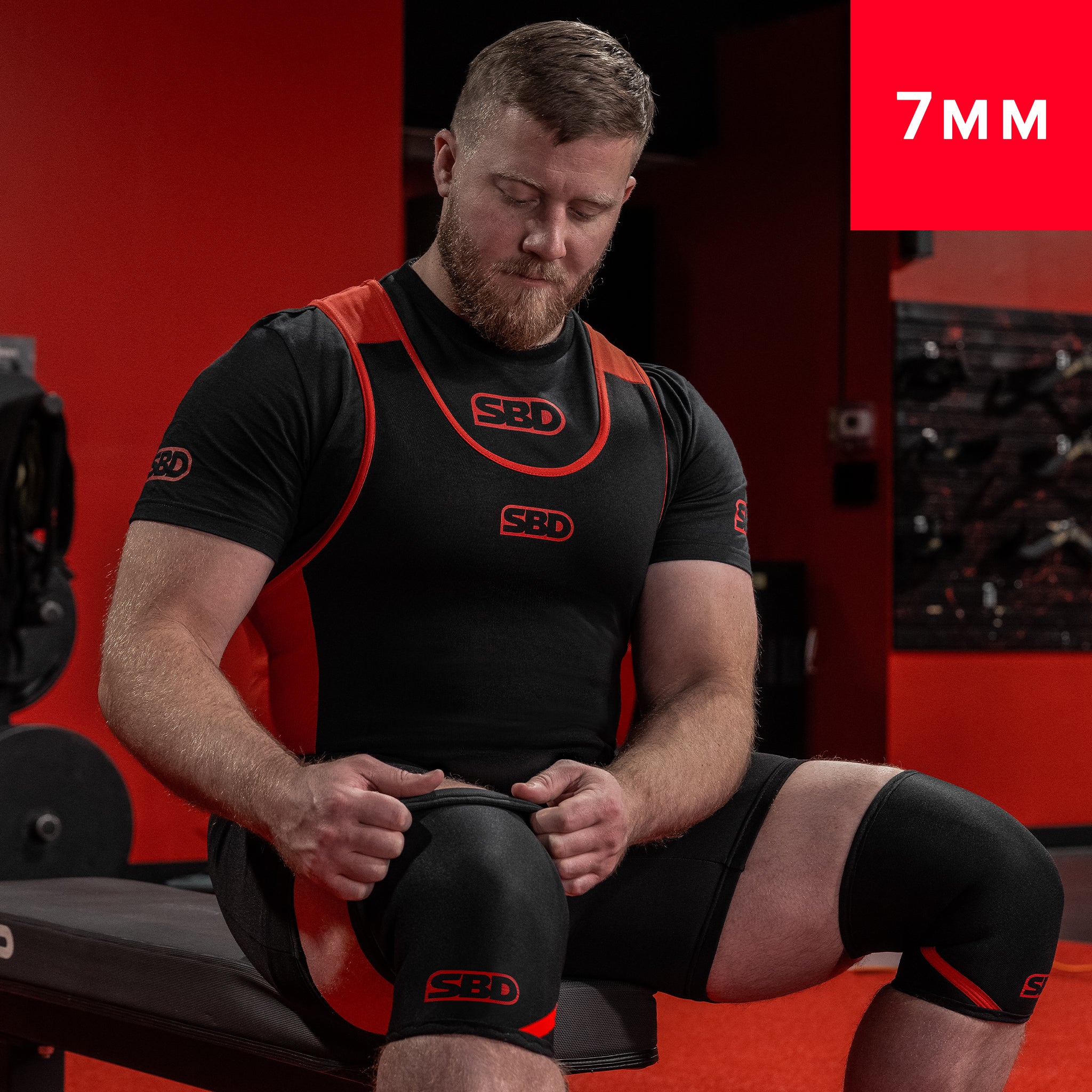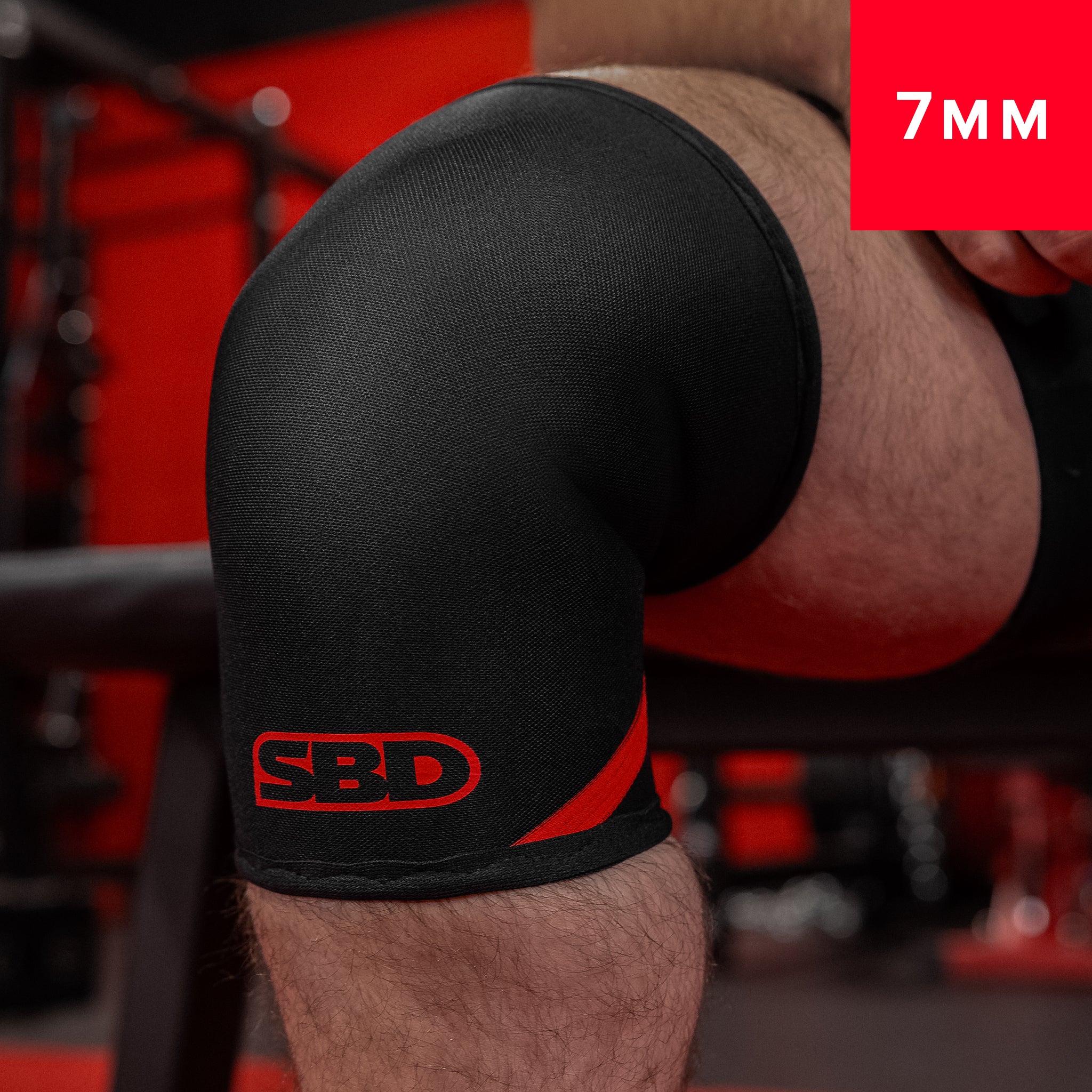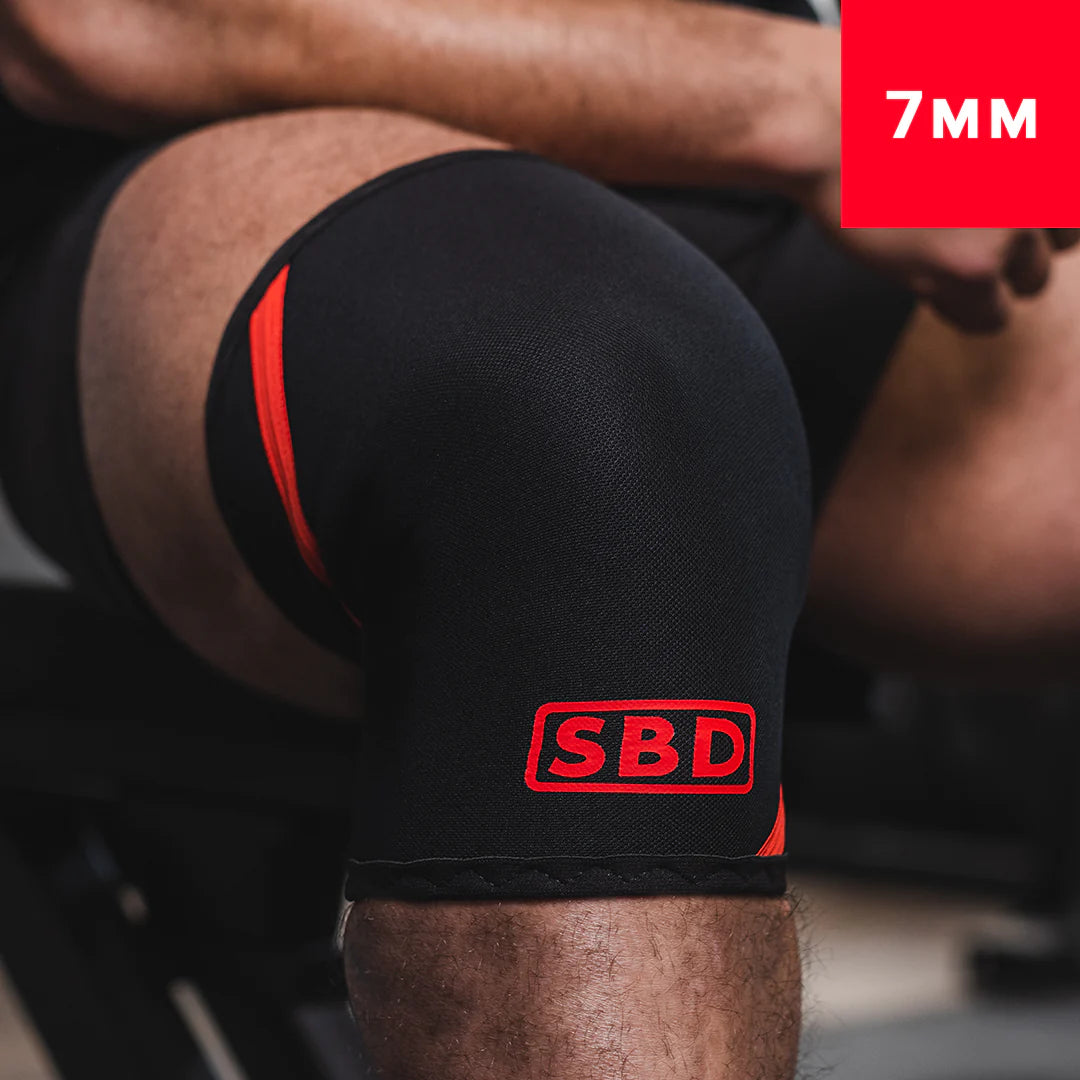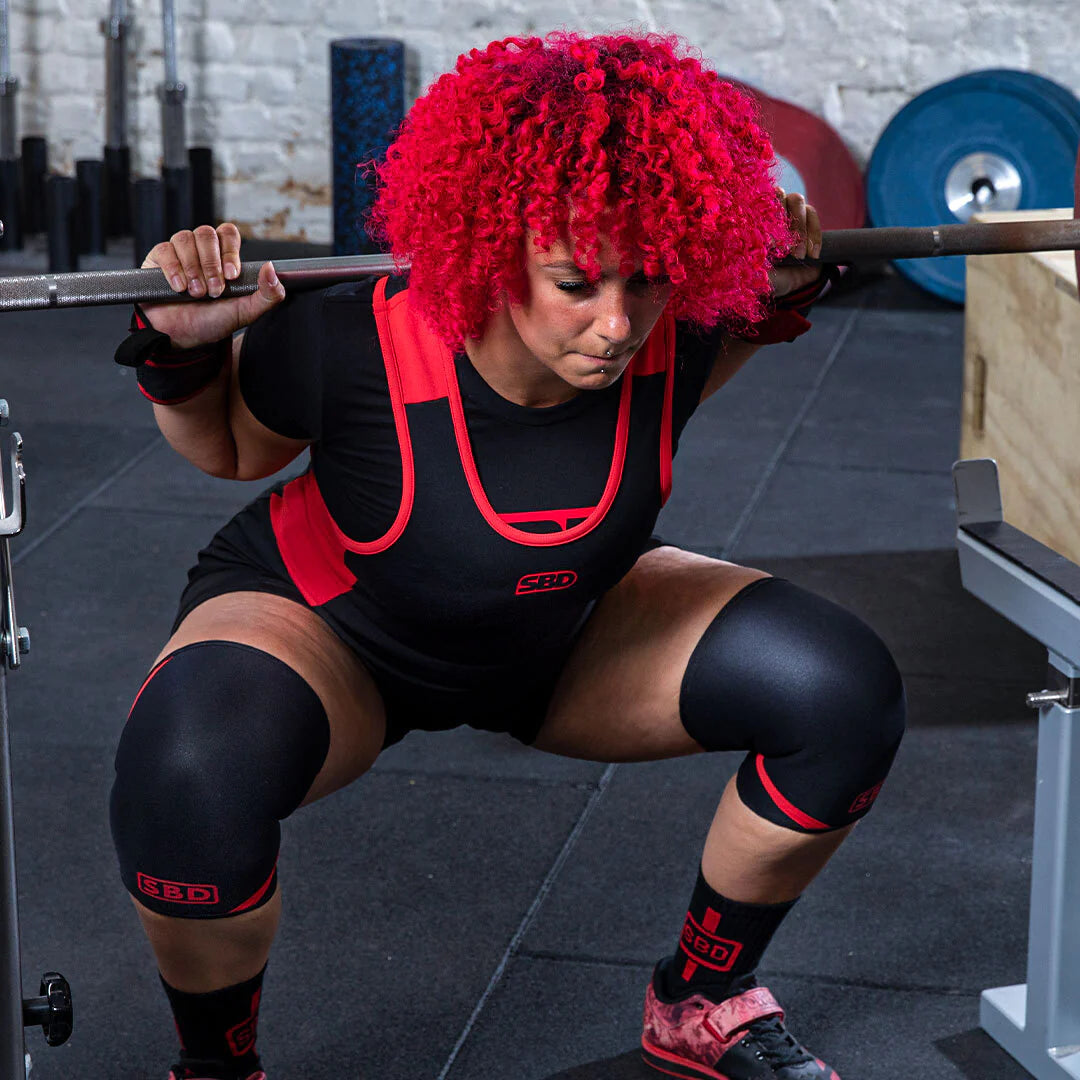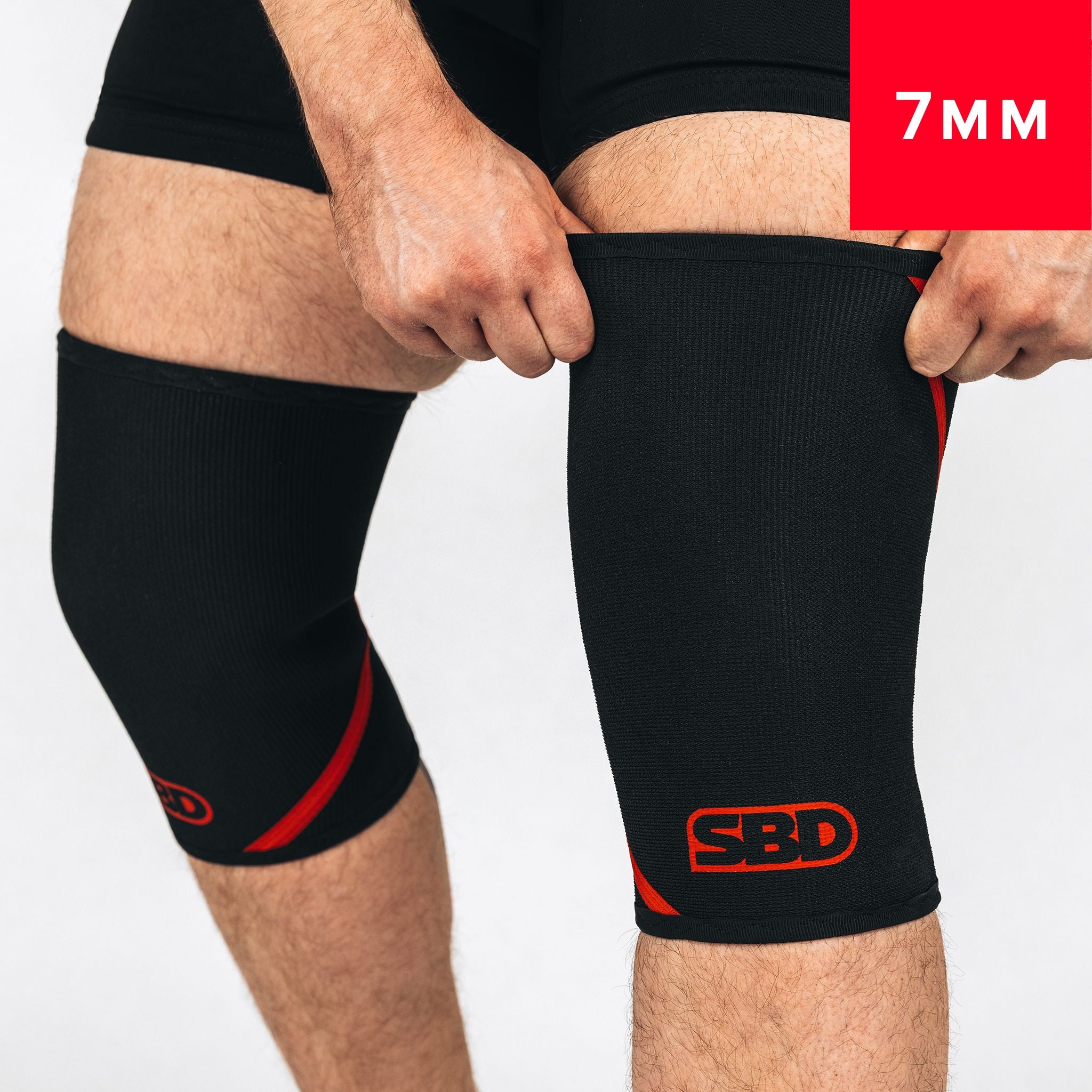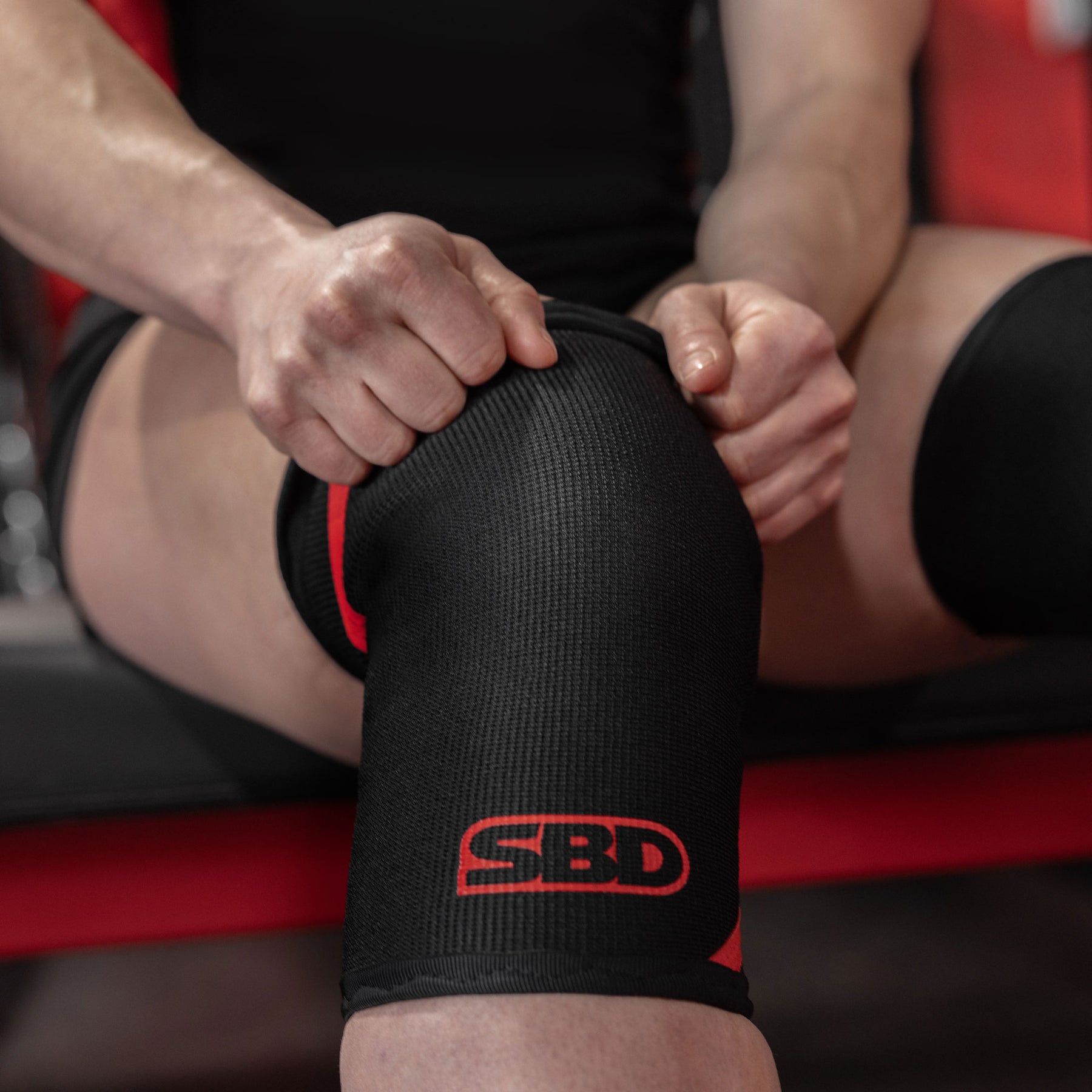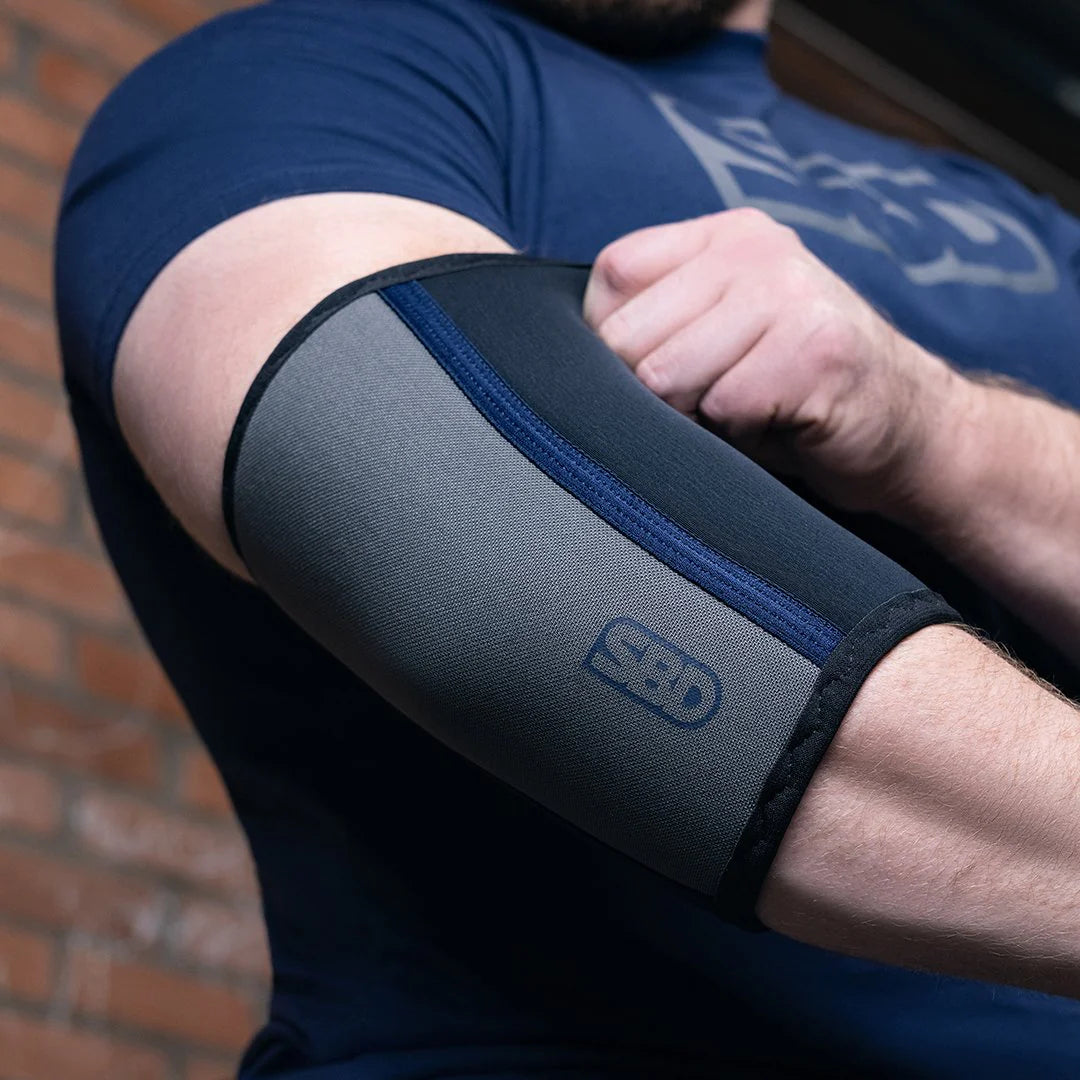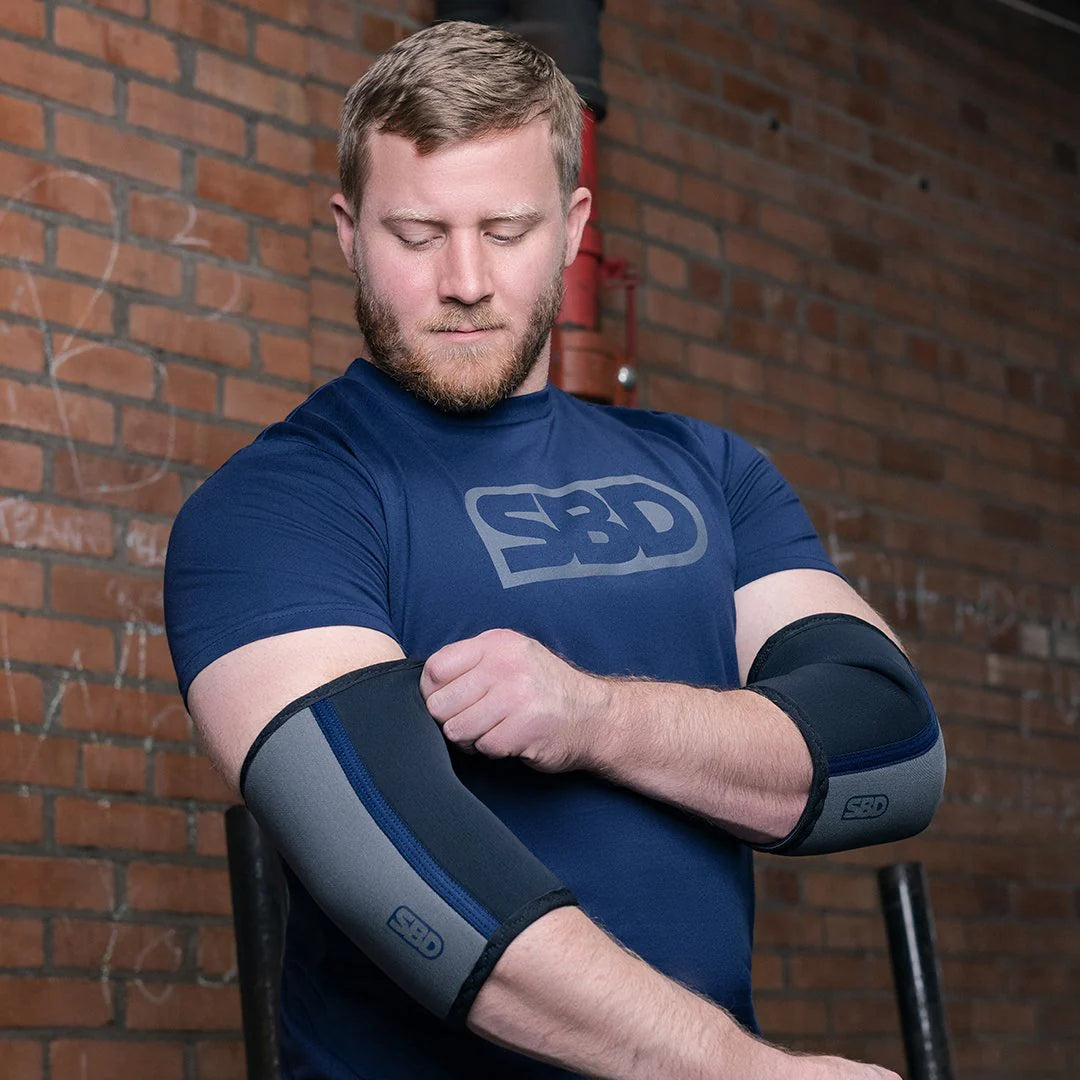


Finding the right knee sleeve size makes a big difference to how your sleeves feel, perform, and support you in training. A well-fitted knee sleeve should feel snug and secure around the knee joint without causing pain, numbness, or restricting normal movement.
Whether you are buying your first pair of knee sleeves or replacing a well-used set, the best place to start is with accurate measurements. This guide explains how to measure properly, how to use a knee sleeve size chart, and how to choose between a regular fit and a tighter fit depending on how you train.
Why Knee Sleeve Sizing Matters
Knee sleeves are designed to provide compression, warmth, and support around the knee joint. If they are too loose, they may slide down, bunch behind the knee, or fail to provide the level of support you expect. If they are too tight, they can be difficult to put on, uncomfortable during training, or restrictive around the calf and knee.
The goal is not simply to choose the smallest size possible. The goal is to choose the size that gives you the right balance of compression, comfort, mobility, and ease of use for your training.
For most lifters, the recommended size will provide the best balance. More experienced lifters may prefer a tighter fit for heavy squats or powerlifting-style training, while those prioritising comfort, easier fitting, or general training may prefer to stay with the standard recommended fit.

Quick Fit Guide
| Choose This Fit | Best For | What It Should Feel Like |
|---|---|---|
| Regular Fit | Beginners, general strength training, comfort, mixed gym sessions, and easier fitting. | Snug, secure, supportive, and comfortable through your normal range of motion. |
| Tight Fit | Experienced lifters, heavy squats, powerlifting-style training, and those who prefer firmer compression. | Very firm and supportive, but not painful or restrictive. |
| Size Up | Larger calves, comfort-focused training, easier fitting, or if your calf is more than 4 cm / 1.6 in larger than your knee. | More comfortable around the calf and easier to pull into position. |
| Size Down | Experienced lifters who deliberately want a tighter, competition-style feel. | More compressed around the knee, but still safe, wearable, and usable during training. |
How to Measure Properly
Accurate sizing starts with accurate measuring. Take your time, measure both legs, and avoid guessing your size based on clothing size or previous sleeves from another brand.
What You Need
Use a soft, flexible tape measure. A sewing tape measure works best because it can wrap evenly around the leg. Avoid using a rigid ruler or metal tape measure, as these are harder to position accurately around the knee.
For the most accurate result, measure directly against the skin rather than over leggings, tracksuit bottoms, or thick clothing. Stand or sit with your leg straight, relaxed, and not flexed.
Step 1: Measure Around the Centre of the Kneecap
Start by locating the centre of your kneecap, also called the patella. With your leg straight and relaxed, wrap the tape measure around the knee joint so it passes directly over the middle of the kneecap.
Keep the tape level all the way around the knee. It should sit flat against the skin without twisting, sagging, or digging in. Pull it close enough to get a true measurement, but do not pull it so tight that it compresses the skin.
Step 2: Measure Around the Thickest Part of the Calf
Next, measure around the widest point of your calf. This matters because the sleeve has to pass over the calf before it sits correctly around the knee.
Keep the tape flat, level, and close to the skin without pulling it tight. Record this measurement separately.
If your calf measurement is more than 4 cm / 1.6 in larger than your knee measurement, sizing up may give you a better and more practical fit.
Step 3: Measure Both Legs
It is common for one leg to be slightly larger than the other. Measure both knees and both calves. If there is a difference, use the larger knee measurement when choosing your size.
This helps avoid buying sleeves that fit one side well but feel too tight or difficult to put on the other side.
Choosing the Right Fit
Once you know your measurement, the next step is deciding what kind of fit you want. This depends on your experience level, training style, and how much compression you prefer.
Regular Fit
A regular fit should feel snug, secure, and supportive without being uncomfortable. You should be able to pull the sleeves on without excessive difficulty, bend your knees through your normal range of motion, and complete your training without numbness or pinching.
A regular fit is usually the best choice if:
- You are new to knee sleeves.
- You want sleeves for general strength training.
- You prefer comfort and ease of use.
- You train with a mix of squats, leg presses, lunges, and accessory work.
- You are between sizes and do not want a very tight fit.
Tight Fit
A tight fit gives a more compressed feel around the knee joint. Some lifters prefer this for heavy squats, maximal attempts, or powerlifting-focused training because the sleeve feels more locked in and supportive.
A tight fit may be suitable if:
- You already have experience wearing knee sleeves.
- You are comfortable with a firmer, more restrictive feel.
- You mainly use sleeves for squats or powerlifting-style training.
- You are willing to spend more time putting the sleeves on and taking them off.
A tighter fit should still not cause numbness, tingling, sharp discomfort, or a loss of circulation. If the sleeve feels painful, cannot be pulled into position, or leaves you unable to train normally, it is likely too small.
When to Size Up
Sizing up can make sense when your calf measurement is much larger than your knee measurement. This is because the sleeve has to pass over the calf before it reaches the knee joint.
You may want to size up if:
- Your calf is more than 4 cm / 1.6 in larger than your knee.
- You are between sizes and prefer comfort.
- You want easier fitting and removal.
- You use sleeves for general training rather than maximal lifting.
- You have previously struggled to pull sleeves over your calves.
When to Size Down
Sizing down is generally for lifters who deliberately want a tighter, more competition-style feel. This is more common among experienced powerlifters or athletes who use knee sleeves primarily for heavy squats.
You may want to size down if:
- You are experienced with tight knee sleeves.
- You want maximum compression for heavy squats.
- You are using the sleeves mainly for powerlifting-style training.
- You are between sizes and prefer a firm fit.
- Your calves are not significantly larger than your knees.
Do not size down just because you think tighter always means better. A sleeve that is too tight can become distracting, uncomfortable, and difficult to use consistently.
What Should Knee Sleeves Feel Like?
A correctly fitted knee sleeve should feel:
- Snug around the knee joint.
- Secure when walking, warming up, and lifting.
- Evenly compressed without sharp pressure points.
- Stable through squats and knee flexion.
- Comfortable enough to wear during your working sets.
It should not:
- Slide down repeatedly.
- Bunch heavily behind the knee.
- Cut into the skin.
- Cause numbness or tingling.
- Feel painful before you begin lifting.
- Prevent you from bending your knee normally.
Between Sizes? Here’s How to Decide
If your measurement falls on the edge between two sizes, use your training goal to guide the decision.
Choose the larger size if you want a more comfortable fit, easier fitting, or more mobility. This is usually the better option for general gym training, higher-rep sessions, or anyone new to knee sleeves.
Choose the smaller size if you are experienced with knee sleeves, want a tighter fit, and mainly use them for heavy squats or powerlifting-style training.
Also check your calf measurement. If your calf is significantly larger than your knee, the larger size may be more practical even if your knee measurement sits between two sizes.
Knee Measurement vs Calf Measurement: Which Matters More?
Your knee measurement is the main number used to choose your size. However, the calf measurement is important because it affects how the sleeve fits in real use.
For example, two athletes may have the same knee measurement, but one may have much larger calves. In that case, the same sleeve size may feel very different for each person. The athlete with larger calves may find the sleeve harder to pull into place or more restrictive around the lower opening.
That is why measuring both areas gives a better picture than measuring the knee alone.
5mm vs 7mm Knee Sleeves: Does Thickness Affect Fit?
Knee sleeve thickness can affect how the sleeve feels in training. A thicker sleeve will generally feel more supportive and compressed, while a thinner sleeve may feel more flexible and easier to move in.
As a general guide, 5mm knee sleeves are often preferred for weightlifting, functional fitness, and training that requires more knee mobility. 7mm knee sleeves are often preferred for squats, powerlifting, and heavier strength training where support and compression are the priority.
The sizing process is still based on measuring your knee joint and checking the relevant product size guide.
Common Sizing Mistakes
Measuring With a Bent Knee
Always measure with the leg straight and relaxed. Measuring with the knee bent can change the circumference and lead to an inaccurate size.
Pulling the Tape Too Tight
The tape should sit against the skin, but it should not compress the leg. Pulling the tape too tight can make your measurement smaller than it really is.
Ignoring Calf Size
If your calves are significantly larger than your knees, the sleeve may be difficult to pull into position even if the knee measurement appears correct.
Choosing the Smallest Possible Size
A very tight sleeve may sound appealing, but smaller is not always better. The best size is the one that supports your training without causing unnecessary discomfort.
Measuring Over Clothing
Thick clothing can add extra circumference and lead to choosing a sleeve that is too large. Measure directly against the skin where possible.
Troubleshooting Your Fit
The Sleeve Slides Down
This usually means the sleeve is too loose, not positioned correctly, or being worn over clothing that reduces grip. Re-check your knee measurement and compare it to the size chart.
The Sleeve Bunches Behind the Knee
Some folding can happen during deep knee flexion, but heavy bunching may mean the sleeve is too loose, sitting too low, or not pulled evenly into position.
The Sleeve Is Painful or Causes Numbness
This is a sign the sleeve may be too tight. A sleeve should feel firm, but it should not cause numbness, tingling, or sharp pain.
The Sleeve Will Not Pass Over the Calf
Check your calf measurement. If your calf is more than 4 cm / 1.6 in larger than your knee, sizing up may be more comfortable and practical.
One Sleeve Feels Tighter Than the Other
Measure both legs again. Small differences between left and right legs are normal. If one knee or calf is larger, use the larger measurement when choosing your size.
Final Checklist Before Choosing Your Size
- Your leg was straight and relaxed when measuring.
- You measured around the centre of the kneecap.
- You measured the thickest part of the calf.
- You measured both legs.
- You checked the size chart in centimetres.
- You considered whether you want a regular or tight fit.
- You considered sizing up if your calf is more than 4 cm / 1.6 in larger than your knee.
- You chose based on how you train, not just the smallest size you can fit into.
Final Thoughts
The right knee sleeve size should give you confidence in training. It should feel supportive around the knee, stay in place during your lifts, and match the way you train.
For most lifters, the recommended size will provide the best balance of compression and comfort. Experienced lifters who want a tighter feel for heavy squats or powerlifting may prefer to size down, while lifters with larger calves or those prioritising comfort may prefer to size up.
Take a few minutes to measure properly before buying. It is the simplest way to get the fit right from the start.