

A strong core is essential for powerlifting. While many people think of ab training as a way to build visible abs, powerlifters need their midsection for something more specific: creating stiffness, maintaining position, and transferring force through the body during heavy squats, bench presses, and deadlifts.
A good powerlifting abs workout should not just include endless crunches. It should build the ability to brace hard, resist movement, stay tight under load, and maintain good positions when the bar gets heavy.
This guide explains why abs matter for powerlifting, which core exercises are most useful, how often to train them, and how to build simple ab workouts that support your main lifts without interfering with recovery.
Why Abs Matter for Powerlifting
In powerlifting, your abs and core muscles help stabilise your torso while you lift heavy weights. When you squat, bench, or deadlift, your trunk needs to stay rigid enough to transfer force from your lower body into the bar.
If your core cannot stay tight, you may lose position. In a squat, this can show up as folding forward or losing tightness out of the bottom. In a deadlift, it can show up as the back position changing as the bar leaves the floor. In the bench press, strong bracing helps you keep your upper back, rib cage, and lower body position more stable.
Powerlifting ab training should therefore focus on strength, control, and bracing rather than simply chasing a burn.
Powerlifting Abs Workout Summary
| Goal | Best Exercise Types | Why It Helps Powerlifting |
|---|---|---|
| Better bracing | Weighted planks, dead bugs, breathing drills, loaded carries | Teaches you to create pressure and keep your torso tight under load. |
| Anti-extension strength | Ab wheel rollouts, planks, body saws, dead bugs | Helps stop the lower back from overextending during heavy lifts. |
| Anti-rotation strength | Pallof presses, suitcase carries, side planks | Helps keep your torso stable and balanced under uneven or shifting load. |
| Heavy ab strength | Cable crunches, weighted sit-ups, machine crunches | Builds direct abdominal strength that can support heavy bracing. |
| Positional control | Bird dogs, dead bugs, tempo planks, hollow holds | Improves control of the rib cage, pelvis, and spine during lifting. |
What Makes an Abs Workout Good for Powerlifting?
A powerlifting-focused abs workout should be different from a general fitness or bodybuilding ab routine. The goal is not just to feel your abs working. The goal is to build a stronger brace and a more stable trunk for heavy lifting.
A good routine should include:
- Exercises that teach you to brace hard.
- Exercises that resist spinal extension, rotation, and side bending.
- Some loaded ab work that can be progressively overloaded.
- Enough volume to build strength without making your main lifts suffer.
- Movements that support your squat, bench, and deadlift technique.
Powerlifters should usually avoid doing so much ab work that it creates excessive soreness before heavy squats or deadlifts. Your core training should support your main lifts, not reduce performance on them.
The Best Ab Exercises for Powerlifters
Powerlifters can benefit from a mix of heavy ab exercises, bracing drills, and stability-focused movements. The best choices are usually simple, progressive, and easy to recover from.
1. Ab Wheel Rollout
The ab wheel rollout is one of the most useful core exercises for powerlifters because it trains anti-extension strength. This means your abs have to work hard to stop your lower back from arching as your body moves forward.
Start with kneeling rollouts and only move as far as you can while keeping control. Do not let your hips drop or your lower back sag.
Recommended sets and reps: 3–4 sets of 6–12 reps.
2. Weighted Plank
A weighted plank helps build the ability to create full-body tension. This can carry over well to heavy squats and deadlifts because you need to stay tight while resisting movement.
Keep your ribs down, glutes tight, and body in a straight line. Add weight only when you can hold a normal plank with good control.
Recommended sets and time: 3–4 sets of 20–45 seconds.
3. Cable Crunch
Cable crunches are useful because they allow progressive overload. You can add weight over time and train the abs through a controlled range of motion.
Focus on curling the rib cage down towards the pelvis rather than just pulling with your arms. Keep the movement controlled and avoid turning it into a hip hinge.
Recommended sets and reps: 3–4 sets of 8–15 reps.
4. Dead Bug
Dead bugs are simple but effective for teaching rib cage and pelvis control. They are especially useful for lifters who struggle with overextending their lower back when they brace.
Keep your lower back controlled against the floor, move slowly, and breathe with control. The goal is precision rather than speed.
Recommended sets and reps: 2–4 sets of 6–10 reps per side.
5. Pallof Press
The Pallof press trains anti-rotation strength. This is useful because heavy lifting requires the torso to resist unwanted movement and stay stable.
Use a cable or band, stand side-on to the resistance, and press your hands straight out without letting your torso twist.
Recommended sets and reps: 2–4 sets of 8–12 reps per side.
6. Side Plank
Side planks train the obliques and lateral core muscles. These muscles help keep your torso stable and can support better control during squats and deadlifts.
Keep your body in a straight line and avoid letting your hips drop. You can progress by adding time, raising the top leg, or adding load.
Recommended sets and time: 2–4 sets of 20–45 seconds per side.
7. Suitcase Carry
The suitcase carry is a loaded carry performed with weight in one hand. Your core has to work to stop your body from leaning to one side.
Walk slowly, keep your shoulders level, and avoid leaning away from the weight. This is a useful exercise for building real-world trunk stiffness.
Recommended sets and distance: 3–4 carries of 10–30 metres per side.
8. Hanging Knee Raise
Hanging knee raises can be useful for building the lower abs and hip flexor control. They should be performed with control rather than momentum.
Avoid swinging. Bring the knees up smoothly, control the lowering phase, and keep your torso stable.
Recommended sets and reps: 3–4 sets of 8–15 reps.
Powerlifter Abs Workout
The following workout is designed for powerlifters who want to build a stronger core without adding unnecessary fatigue. It includes heavy ab work, anti-extension training, and anti-rotation work.
| Exercise | Sets | Reps / Time | Focus |
|---|---|---|---|
| Ab Wheel Rollout | 3–4 | 6–12 reps | Anti-extension strength |
| Cable Crunch | 3–4 | 8–15 reps | Loaded ab strength |
| Weighted Plank | 3 | 20–45 seconds | Bracing and trunk stiffness |
| Pallof Press | 2–3 | 8–12 reps per side | Anti-rotation control |
This workout can be performed 1–3 times per week depending on your training experience, recovery, and total workload. For most powerlifters, twice per week is a good starting point.
Beginner Powerlifter Abs Workout
If you are new to direct core training, start with simple movements that teach control and bracing. The goal is to build a foundation before adding heavier or more advanced exercises.
| Exercise | Sets | Reps / Time |
|---|---|---|
| Dead Bug | 3 | 6–10 reps per side |
| Front Plank | 3 | 20–40 seconds |
| Side Plank | 2–3 | 20–30 seconds per side |
| Cable Crunch | 3 | 10–15 reps |
Perform this workout 2 times per week after your main lifting. Keep every rep controlled and avoid training to failure.
Intermediate Powerlifter Abs Workout
Intermediate lifters can use more loading and slightly harder variations. At this stage, the goal is to build strength while keeping the work specific enough to support the main lifts.
| Exercise | Sets | Reps / Time |
|---|---|---|
| Ab Wheel Rollout | 3–4 | 6–10 reps |
| Weighted Plank | 3 | 20–45 seconds |
| Pallof Press | 3 | 8–12 reps per side |
| Suitcase Carry | 3 | 10–30 metres per side |
Perform this workout 2 times per week. You can place it after squat or deadlift sessions, but avoid doing too much heavy ab work the day before your hardest lower-body training.
Advanced Powerlifter Abs Workout
Advanced lifters usually need ab training that is hard enough to create adaptation but controlled enough that it does not disrupt squat and deadlift recovery.
| Exercise | Sets | Reps / Time |
|---|---|---|
| Standing Ab Wheel Rollout or Long-Lever Rollout | 3–5 | 4–8 reps |
| Heavy Cable Crunch | 4 | 6–12 reps |
| Heavy Suitcase Carry | 3–4 | 10–20 metres per side |
| Weighted Side Plank | 3 | 20–40 seconds per side |
Advanced lifters should monitor fatigue carefully. If your ab training is making your squats or deadlifts feel worse, reduce the volume or move the workout further away from your heaviest sessions.
How Often Should Powerlifters Train Abs?
Most powerlifters can train abs 2–3 times per week. The exact frequency depends on your training split, recovery, and how much direct core work you are already getting from heavy compound lifts.
A good starting point is:
- Beginners: 2 times per week.
- Intermediate lifters: 2–3 times per week.
- Advanced lifters: 1–3 times per week depending on recovery and training phase.
You do not need to destroy your abs every session. Consistent, progressive work performed with good control is usually more useful than high-volume circuits that leave you sore for days.
When Should Powerlifters Train Abs?
For most powerlifters, ab work is best performed after the main lifts. This keeps your core fresh for squats, bench press, and deadlifts.
Avoid doing hard ab training immediately before heavy squats or deadlifts. If your trunk is already fatigued, it may be harder to brace properly during your main work.
Good times to train abs include:
- After squat sessions.
- After deadlift sessions.
- After lighter upper-body sessions.
- On accessory days.
- At the end of general strength sessions.
If you train abs the day before heavy squats or deadlifts, keep the session lighter and avoid exercises that create excessive soreness.
How to Progress Your Ab Training
Powerlifters should progress ab training the same way they progress other accessory work: gradually and with purpose.
You can progress your ab workouts by:
- Adding weight.
- Adding reps.
- Adding sets.
- Increasing time under tension.
- Using a harder variation.
- Improving control and range of motion.
- Reducing rest periods slightly while maintaining quality.
For example, if you can perform 3 sets of 10 ab wheel rollouts with perfect control, you could progress to 3 sets of 12, add a pause, increase the range of motion, or move towards a harder variation.
Do not rush progression. Core exercises are only useful if you can maintain good position. If you lose control, reduce the difficulty.
Powerlifting Core Training: What to Focus On
Powerlifters need more than just strong abs. They need a strong trunk that can resist movement and maintain position under heavy load.
Anti-Extension
Anti-extension exercises train your core to stop your lower back from arching excessively. This is useful for keeping the rib cage and pelvis controlled during heavy lifts.
Good options include ab wheel rollouts, planks, dead bugs, body saws, and hollow holds.
Anti-Rotation
Anti-rotation exercises train your torso to resist twisting. This can help build control and balance, especially during heavy lifts where one side may want to shift or rotate.
Good options include Pallof presses, cable holds, suitcase carries, and bird dogs.
Anti-Lateral Flexion
Anti-lateral flexion exercises train your core to resist bending sideways. This is useful for keeping the torso stacked and stable.
Good options include side planks, suitcase carries, offset carries, and single-arm farmer’s carries.
Loaded Flexion
Loaded flexion exercises directly train the abdominal muscles through a range of motion. These can be useful when performed with control and appropriate loading.
Good options include cable crunches, machine crunches, and weighted sit-ups.
Sample Weekly Abs Plan for Powerlifters
Here is a simple way to add ab training to a powerlifting programme without overcomplicating it.
| Training Day | Main Lift Focus | Core Work |
|---|---|---|
| Day 1 | Squat Focus | Weighted plank and cable crunch |
| Day 2 | Bench Focus | Pallof press and dead bug |
| Day 3 | Deadlift Focus | Ab wheel rollout and suitcase carry |
| Day 4 | Bench or Accessory Focus | Optional light side planks or breathing drills |
You do not need to do every exercise in one session. Spreading ab work across the week can make it easier to recover while still building a stronger core.
Core Training for the Squat
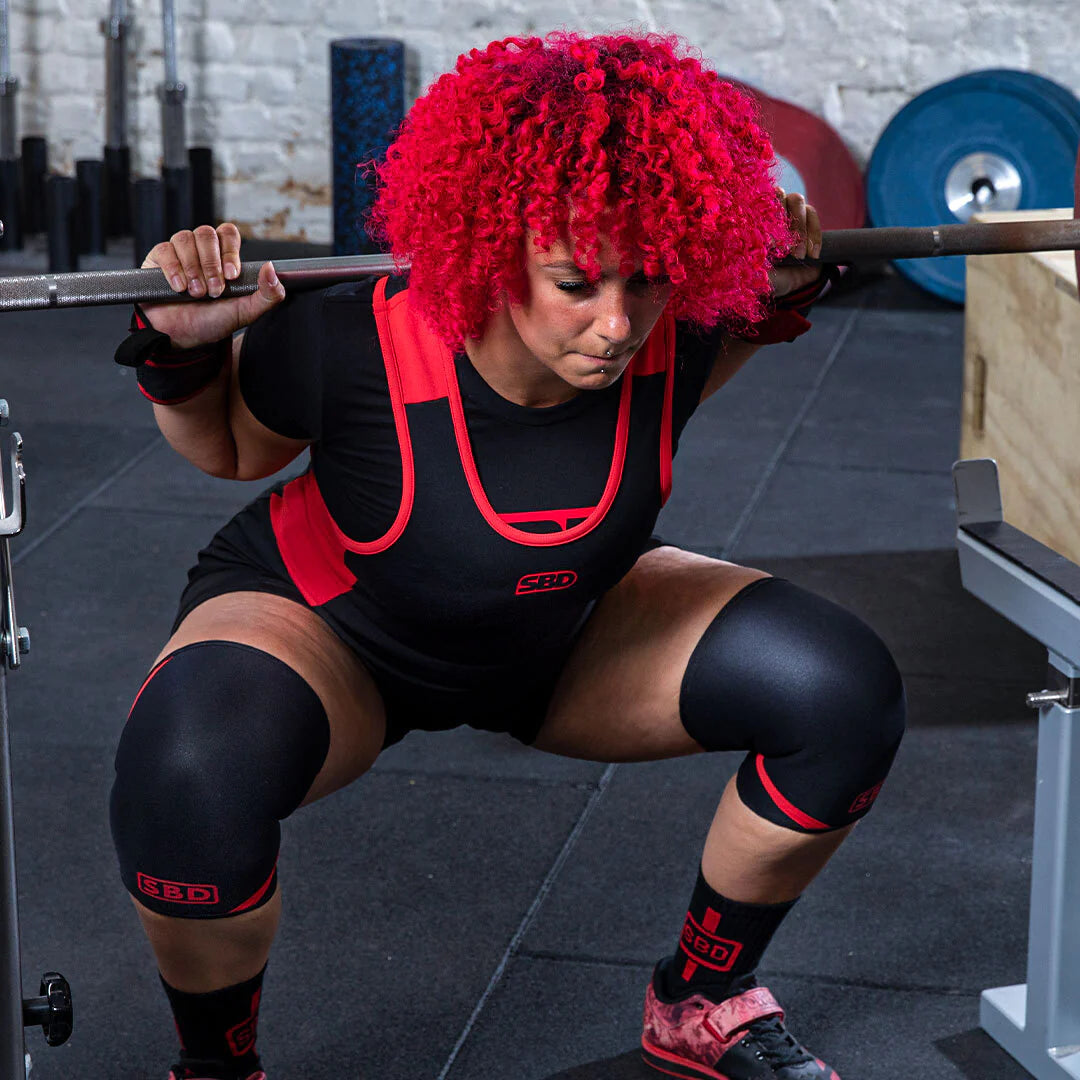
During the squat, your core helps keep your torso rigid as you descend and stand back up. If you lose tightness, your chest may collapse, your hips may shoot back, or your bar path may become less efficient.
Good ab exercises for the squat include:
- Weighted planks
- Ab wheel rollouts
- Cable crunches
- Dead bugs
- Suitcase carries
The goal is to build a brace that helps you stay tight from unrack to lockout.
Core Training for the Deadlift
During the deadlift, your core helps maintain your trunk position as you break the bar from the floor. A strong brace can help you keep tension through the body and reduce unnecessary movement as the lift starts.
Good ab exercises for the deadlift include:
- Ab wheel rollouts
- Pallof presses
- Suitcase carries
- Side planks
- Dead bugs
Deadlift-focused core training should build stiffness and control without creating so much soreness that your pulling sessions suffer.
Core Training for the Bench Press
The bench press may not seem like an ab-heavy lift, but a strong brace still matters. Your core helps you stay tight on the bench, maintain your arch, transfer leg drive, and keep your body stable throughout the press.
Good ab exercises for the bench press include:
- Dead bugs
- Pallof presses
- Weighted planks
- Side planks
- Breathing and bracing drills
For bench press, the goal is not to fatigue your abs heavily. The goal is to improve control, tightness, and full-body stability.
Bracing: The Missing Link in Ab Training
Training your abs is useful, but powerlifters also need to know how to brace. Bracing means creating tension through your torso before and during a lift.
A simple way to think about bracing is:
- Stand or set up in your lifting position.
- Take a breath into your abdomen and sides.
- Create tension as if preparing to take contact around your midsection.
- Hold that pressure as you begin the lift.
- Reset your breath and brace between reps when needed.
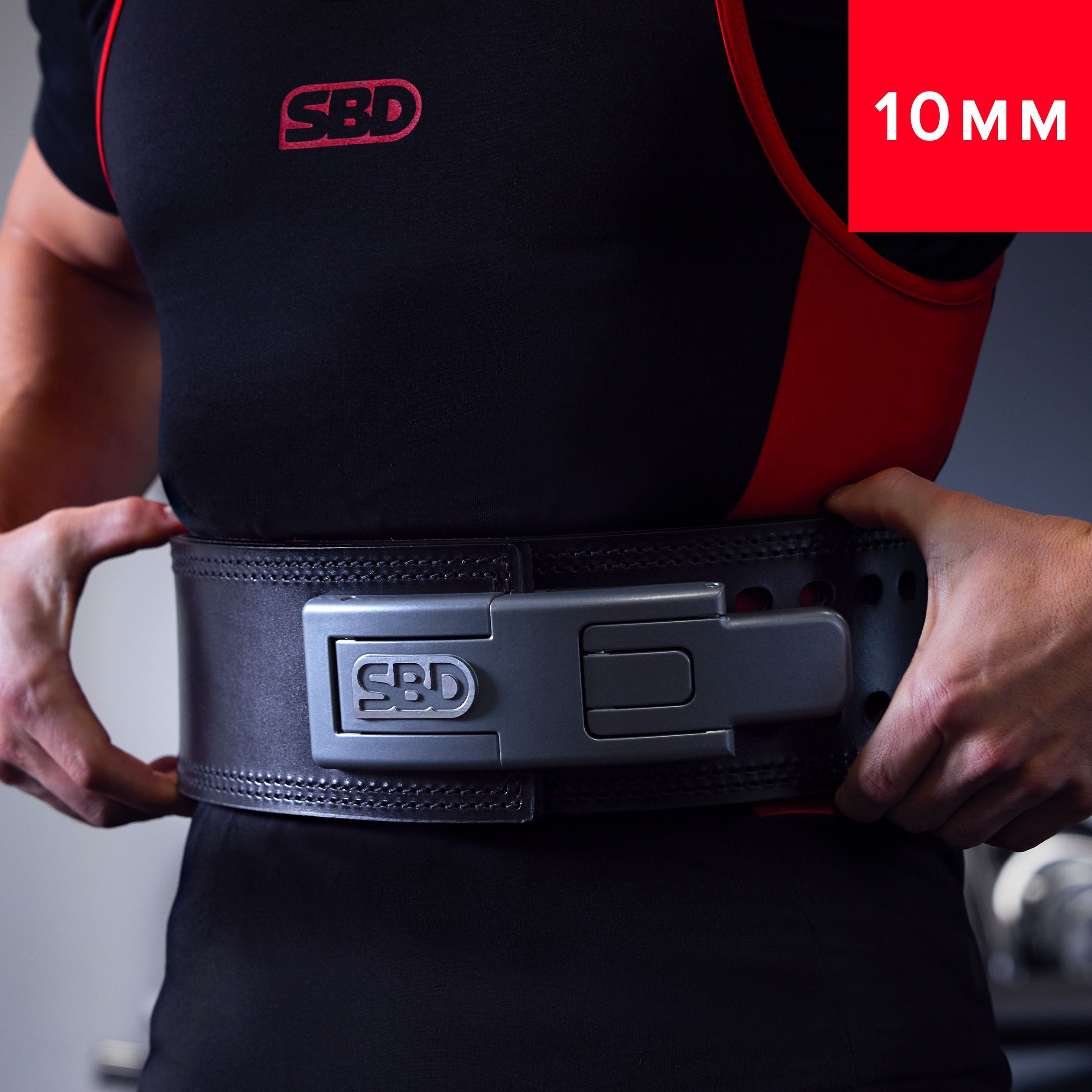
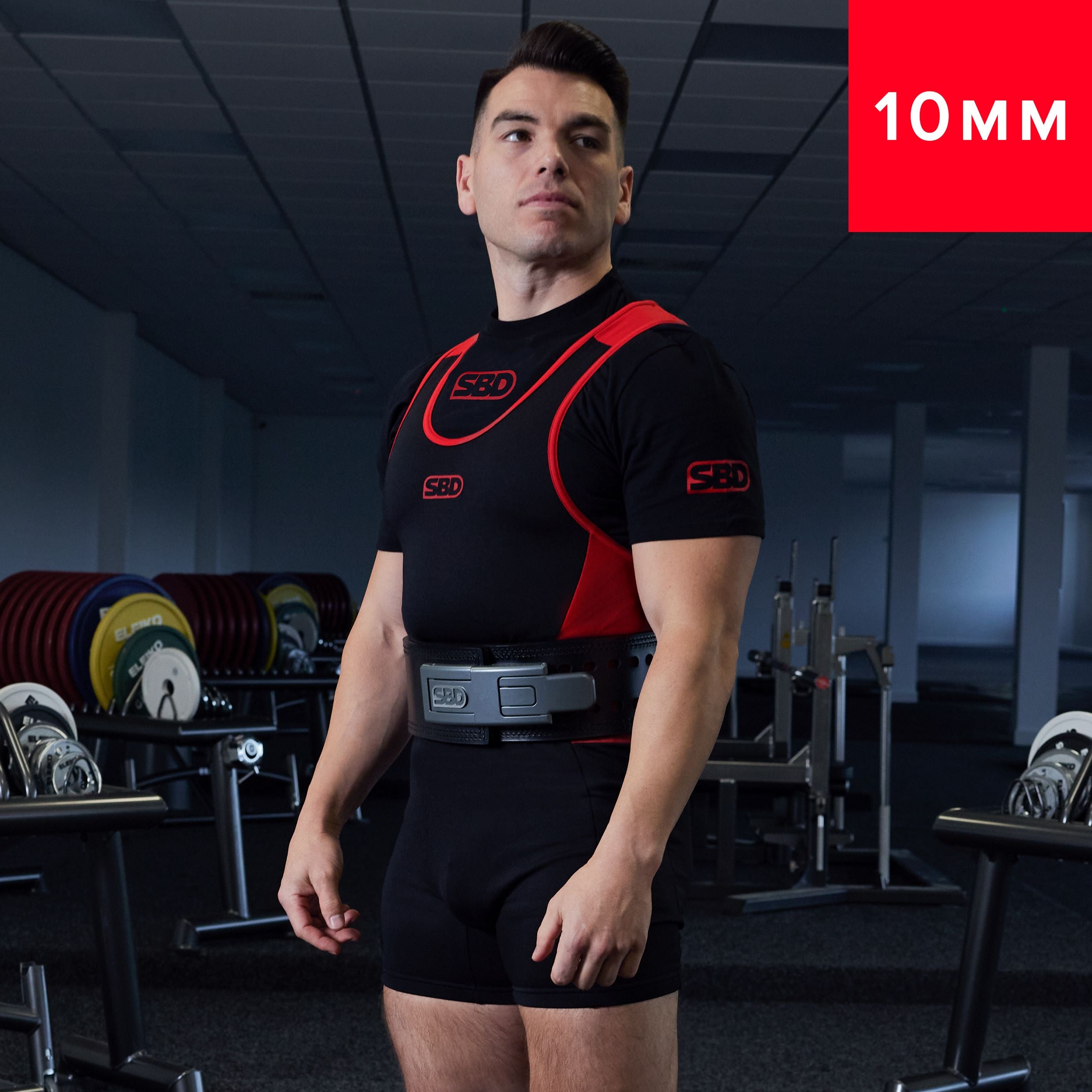
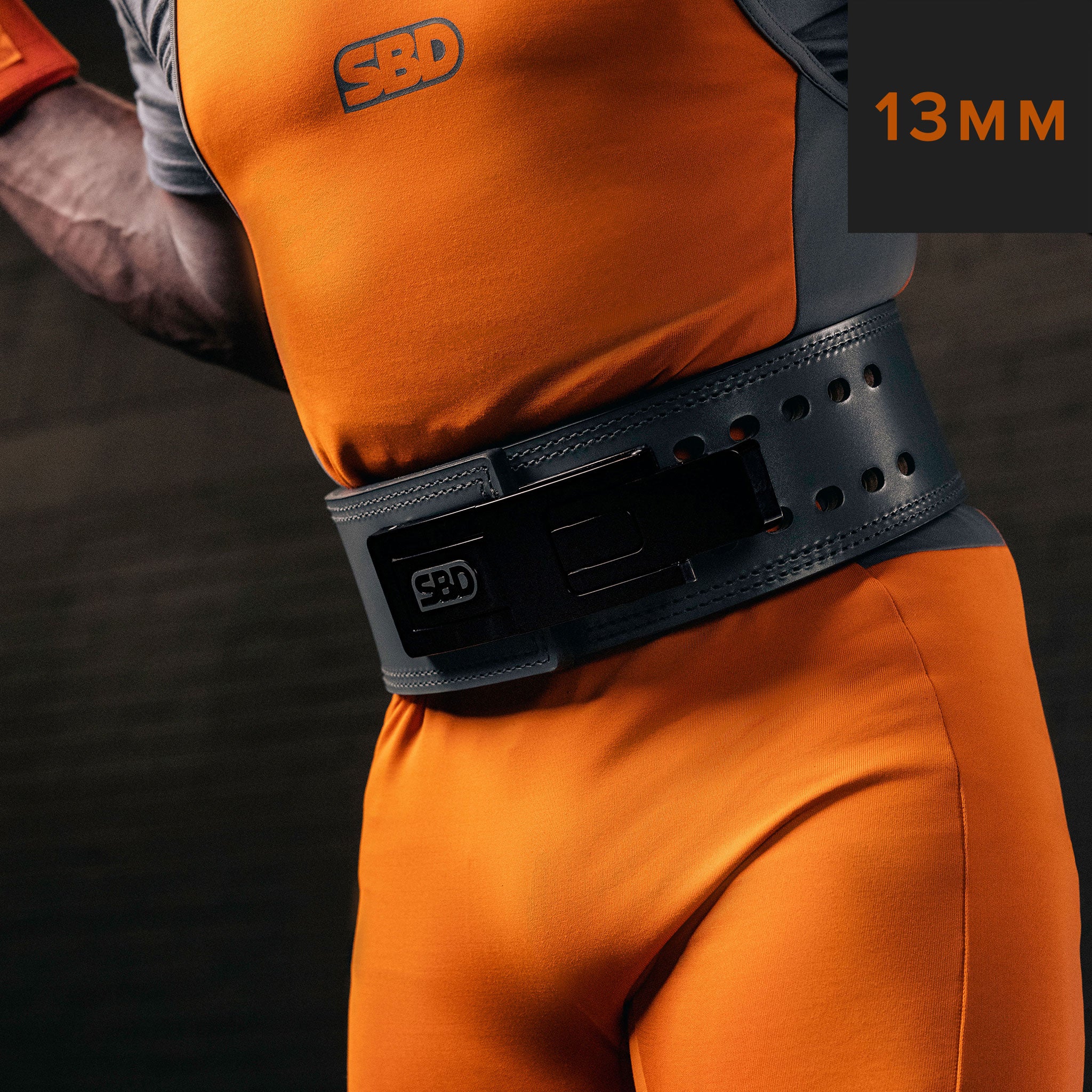
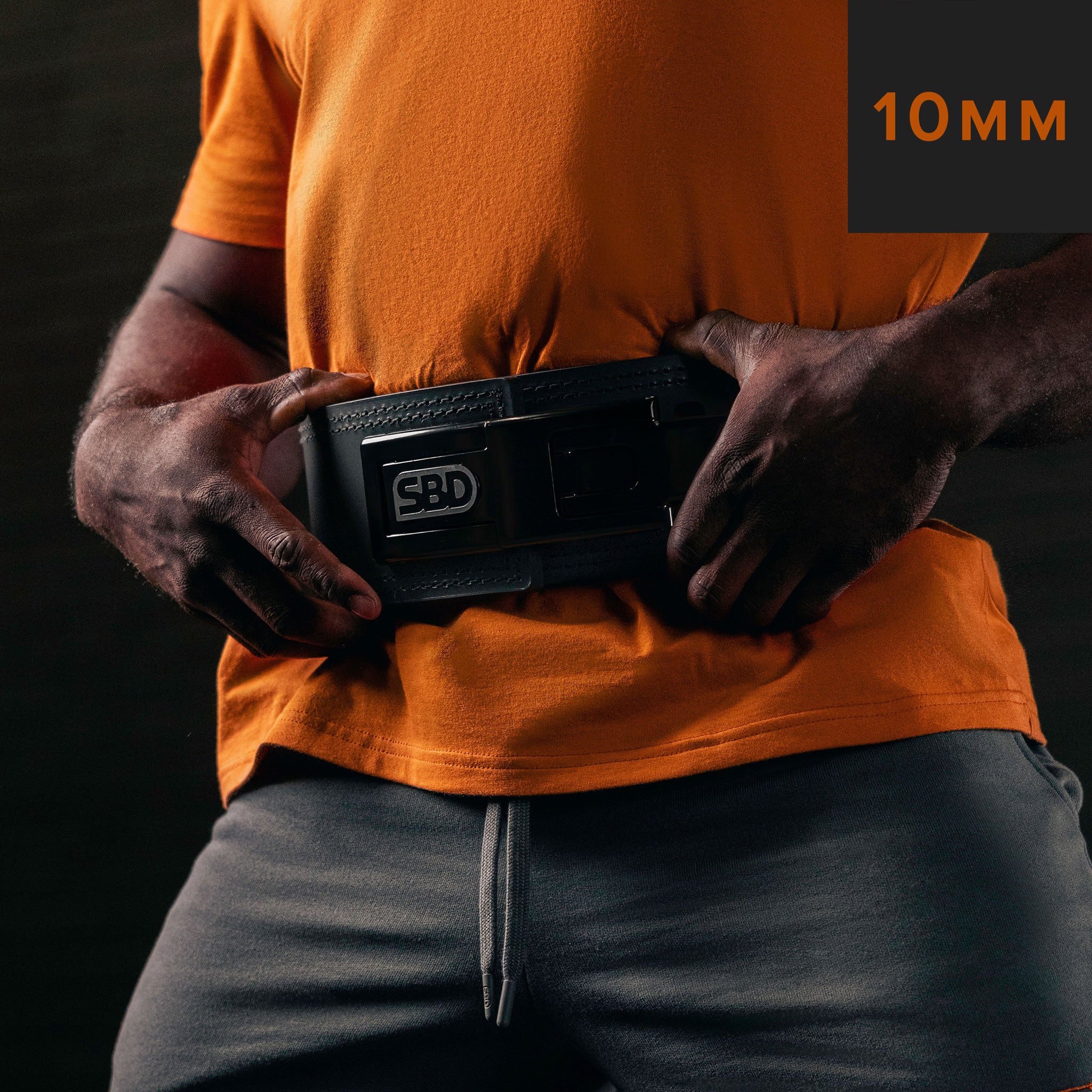
A lifting belt can help you feel this brace because it gives your torso something to push against. However, you should still learn how to brace without relying entirely on the belt.
Common Powerlifter Ab Training Mistakes
Doing Too Much Before Heavy Lifts
Hard ab training before heavy squats or deadlifts can reduce your ability to brace. Keep direct ab work until after your main lifts.
Only Doing Crunches
Crunches can be useful, but powerlifters also need anti-extension, anti-rotation, and anti-lateral flexion work.
Training Abs Only for Appearance
Visible abs depend heavily on body composition, but powerlifting core training should focus on performance, bracing, and stability.
Ignoring Progressive Overload
Your abs need progression just like other muscles. Add reps, load, time, or harder variations gradually.
Letting Technique Break Down
If your lower back sags during rollouts or your hips drop during planks, the exercise is too hard or the set has gone too long.
Creating Too Much Soreness
Excessive soreness can interfere with bracing and heavy training. Add volume gradually and avoid sudden jumps in workload.
Forgetting to Train the Obliques
The obliques play an important role in trunk stability. Side planks, Pallof presses, and suitcase carries are useful additions.
How Hard Should Ab Training Be?
Powerlifting ab training should be challenging, but it does not need to be taken to complete failure. Most sets should finish with good technique and a small amount of effort still left in reserve.
For loaded exercises like cable crunches, use a weight that allows controlled reps. For planks and carries, stop before your position breaks down.
Quality matters more than simply holding a plank for as long as possible or rushing through high-rep ab circuits.
Should Powerlifters Train Abs With Heavy Weight?
Heavy ab work can be useful for powerlifters, especially when it is controlled and progressed sensibly. Exercises like cable crunches, weighted planks, weighted side planks, and loaded carries can help build stronger bracing muscles.
However, heavy is not always better. If the load makes you lose position, use momentum, or feel strain in the wrong areas, reduce the weight.
A smart approach is to combine heavy core work with control-based exercises. This gives you both strength and stability.
Do Powerlifters Need Visible Abs?
Visible abs are not required for powerlifting performance. Many strong powerlifters have excellent core strength without having highly visible abs.
Ab visibility depends on muscle development, body fat levels, genetics, and overall nutrition. Core strength for powerlifting is about how well your trunk can brace and stabilise under heavy load.
A powerlifter’s abs should be trained for performance first. Appearance can be a separate goal, but it should not come at the expense of strength, recovery, or training quality.
Final Checklist for Powerlifting Ab Training
- Train abs 2–3 times per week for most powerlifting programmes.
- Do core work after your main lifts, not before heavy squats or deadlifts.
- Include anti-extension exercises such as ab wheel rollouts and planks.
- Include anti-rotation exercises such as Pallof presses.
- Include side core work such as side planks or suitcase carries.
- Use loaded ab exercises like cable crunches when appropriate.
- Progress gradually with more load, reps, time, or harder variations.
- Keep technique strict and stop sets before your position breaks down.
- Avoid creating so much soreness that it affects your main lifts.
- Train your abs for bracing, stability, and performance, not just appearance.
Final Thoughts
A good powerlifter abs workout should help you brace harder, stay tighter, and maintain better positions during heavy squats, bench presses, and deadlifts. The goal is not just to feel your abs burn. The goal is to build a stronger, more stable trunk that supports your performance under the bar.
Focus on exercises that train bracing, anti-extension, anti-rotation, and loaded abdominal strength. Keep the work challenging, but do not let it interfere with your main powerlifting sessions.
Start with a few well-chosen exercises, train them consistently, and progress them over time. Stronger abs will not replace good technique, but they can help you express your strength more effectively when the weight gets heavy.